O jornal Público publicou este domingo (16 Outubro) um extenso artigo sobre medicina dentária em Portugal.
Tive oportunidade de reafirmar algumas das posições que a Ordem dos Médicos Dentistas vem defendendo. Poderá consultar o artigo em PDF.

O jornal Público publicou este domingo (16 Outubro) um extenso artigo sobre medicina dentária em Portugal.
Tive oportunidade de reafirmar algumas das posições que a Ordem dos Médicos Dentistas vem defendendo. Poderá consultar o artigo em PDF.
 Comments Off on Público: “Sandra queria um sorriso, hoje segura os dentes com cola” |
  Portugal, Portuguese, Portuguese Dental Association | Tagged: dental, publico, sociedade |
  Permalink
 Posted by Orlando Monteiro da Silva
The United Nations held a High Level Meeting on Prevention and Control of Non-communicable Diseases, in New York (19-20 September 2011).
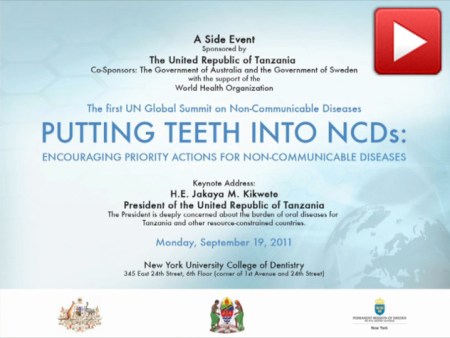
The Government of Tanzania organized a side event entitled “Putting Teeth into NCDs,” on September 19, 2011 at the New York University College of Dentistry.
The event was sponsored by the United Republic of Tanzania, with support of the World Health Organization, and co-sponsored by the Governments of Australia and Sweden.
The program was emceed by Ali Velshi, CNN Anchor and Chief Business Correspondent, and focused on critical issues related to the global burden of oral disease and integrating oral disease into primary health care.
Video – click to play
 Video – click to play
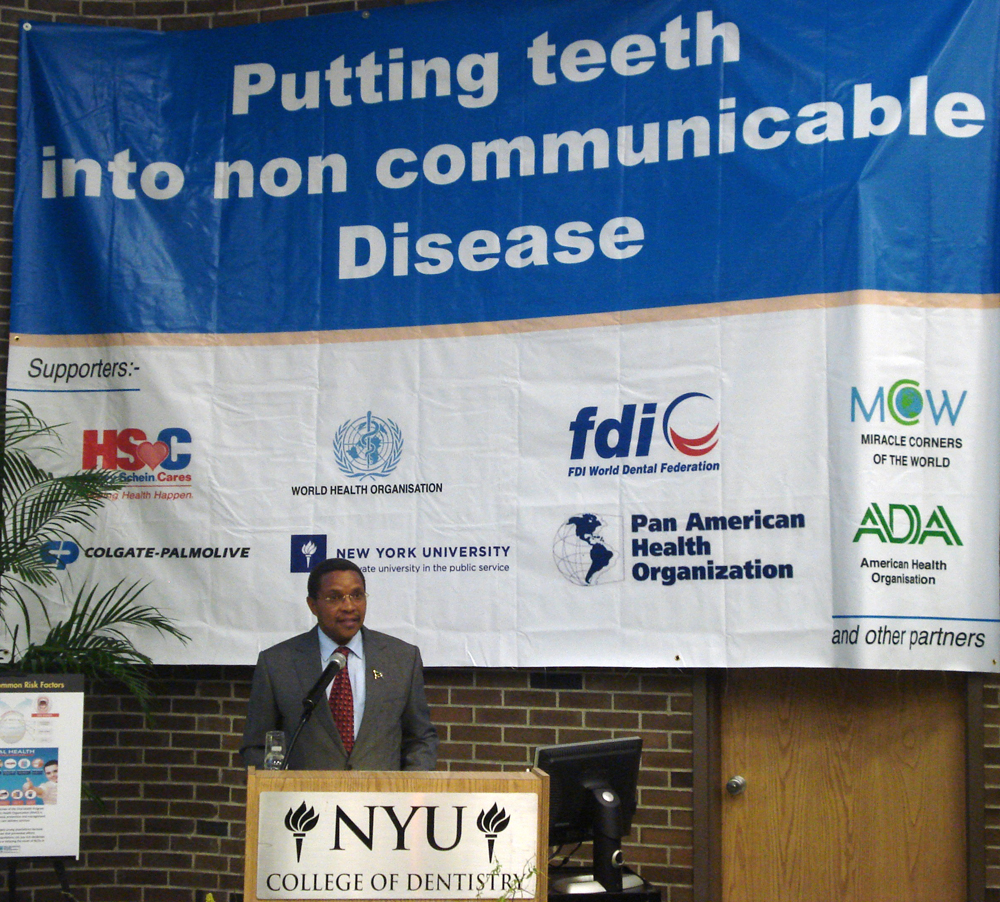
Tanzanian President, Jakaya M. Kikwete, expressed his deep concern over the burden of oral diseases for Tanzania and other resource-constrained countries
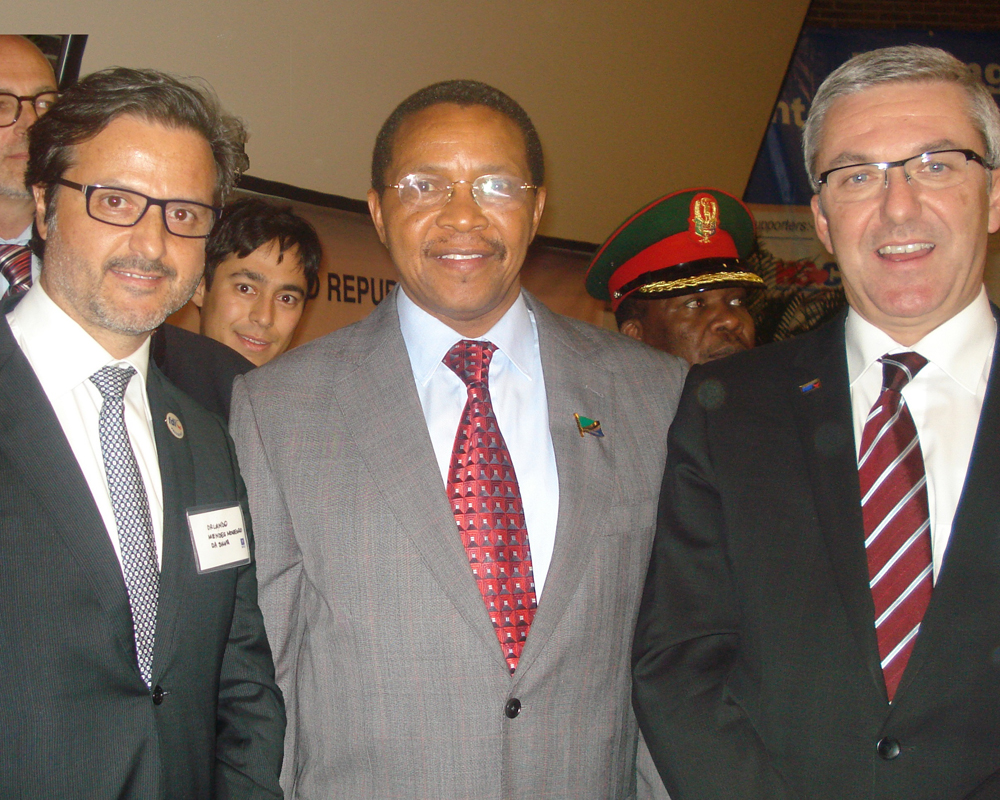
With Jakaya M. Kikwete, Tanzania President, and Jean-Luc Eiselé (left), FDI Executive Director
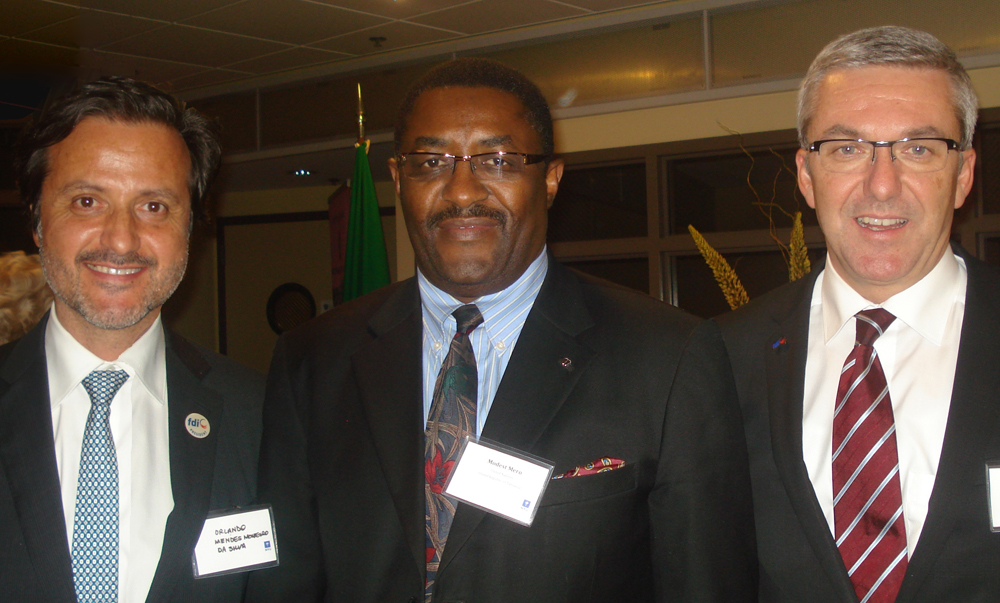
With Modest Mero, Minister Plenipotentiary at Permanent Mission of Tanzania to the UN
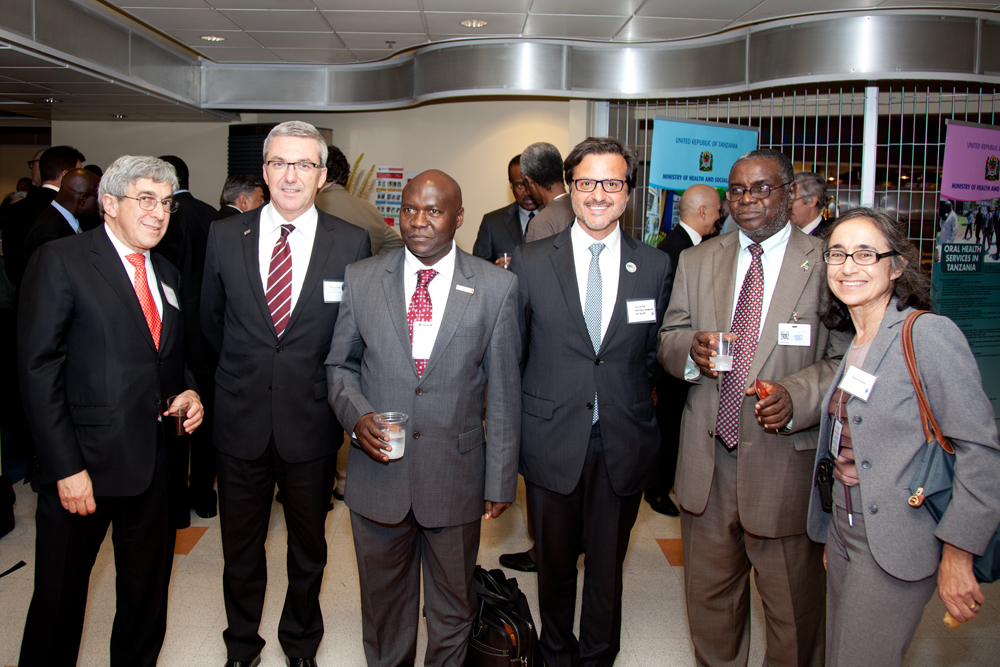
Stanley M. Bergman (chairman of the Board and Chief Executive Officer for Henry Schein, Inc.), Jean-Luc Eiselé, me, Marian Bergman (director of healthcare projects for Miracle Corners of the World) and Tanzanian officers
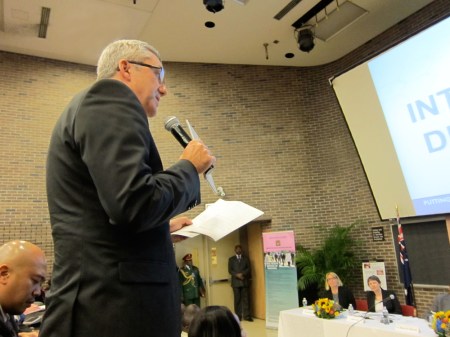
FDI Executive Director, Jean-Luc Eiselé, added: “This is knowledge that FDI very much needs to have at its fingertips. It will inform and advise our current strategy on Africa.”

Habib Benzian, CEO for Fit for School International Inc., co-author of the FDI Oral Health Atlas, and a Senior Advisor to the FDI World Dental Federation School International Inc.
You can find more information about this event on FDI website.

Comments Off on New York University: Putting Teeth into NCDs | FDI World, Tanzania, USA | Tagged: ada, dental, ncd, New York | Permalink
Posted by Orlando Monteiro da Silva
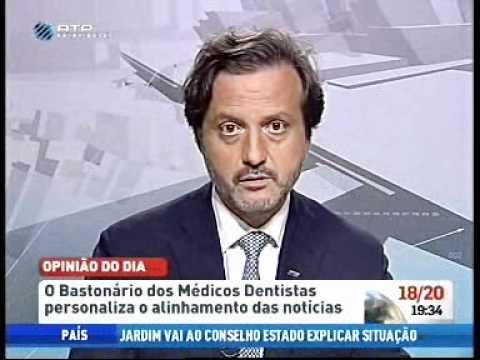
Ontem comentei o setor da saúde, em particular a saúde oral, num bloco informativo da RTP Informação.
Destaquei a necessidade de regulação dos seguros de saúde e a importância do Governo continuar a apostar no Programa Nacional de Promoção de Saúde Oral, mais conhecido por cheque-dentista.
Outros assuntos da atualidade, como a crise económica na União Europeia, também foram abordados.
For english speakers: Interview with a Portuguese tv channel on oral health.
1 Comment | Interviews, Portuguese, Portuguese Dental Association | Tagged: dental, rtp, sociedade | Permalink
Posted by Orlando Monteiro da Silva
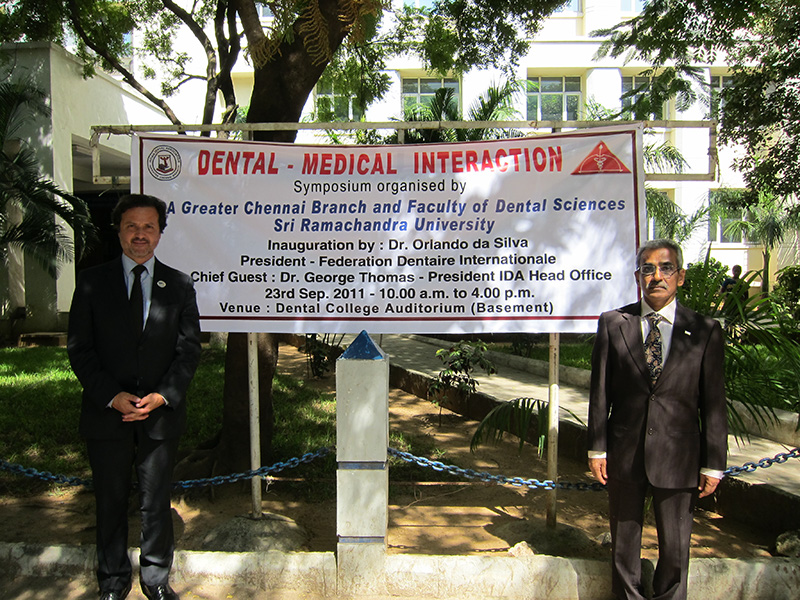
At the Sri Ramachandra University for the symposium "Dental - Medical Interaction", situated in Porur, Chennai, India. Was organised by IDA Greater Chennai Branch and Faculty of Dental Sciences Sri Ramachandra University. Here, I'm with George Thomas, IDA Head Office president.
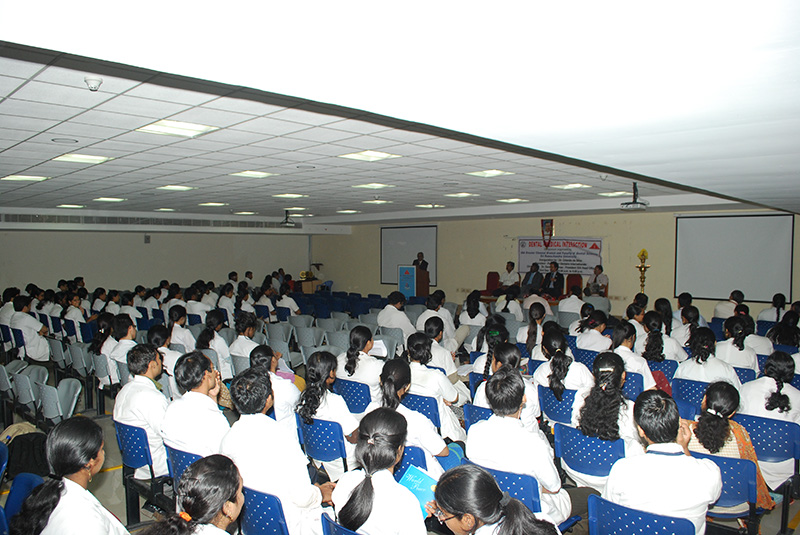
Sri Ramachandra University symposium
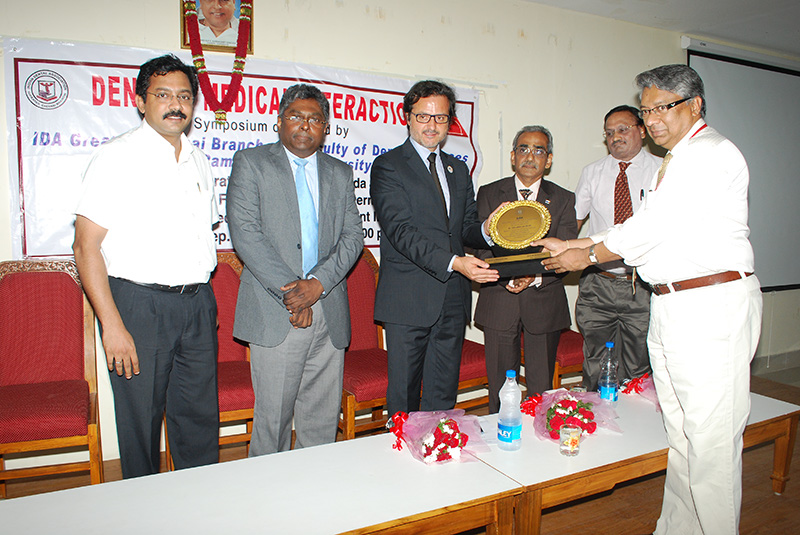
Sri Ramachandra University symposium
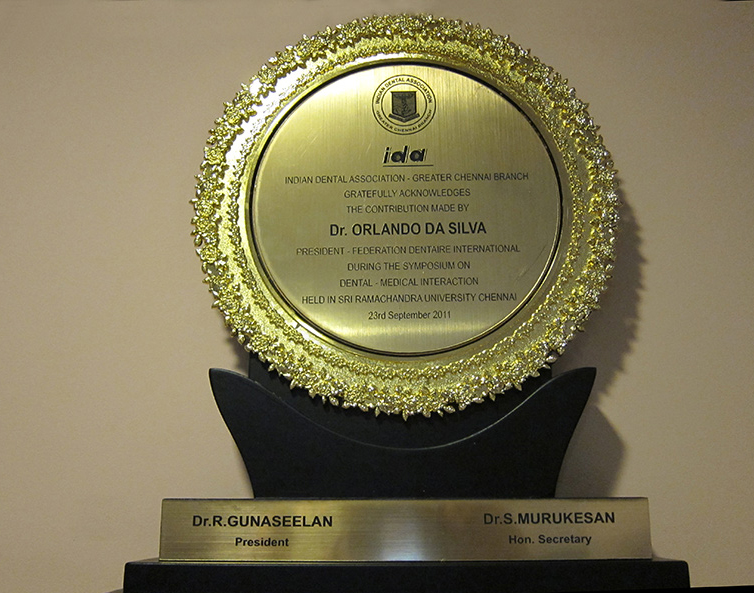
Sri Ramachandra University symposium
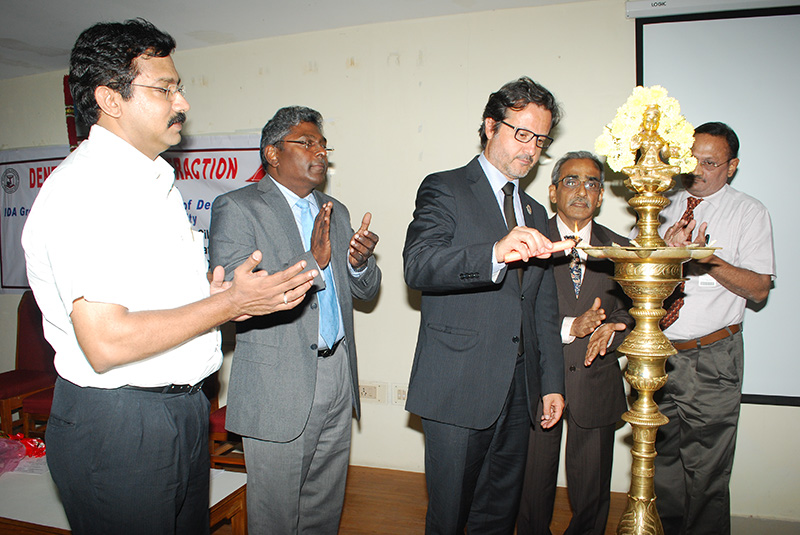
Sri Ramachandra University symposium
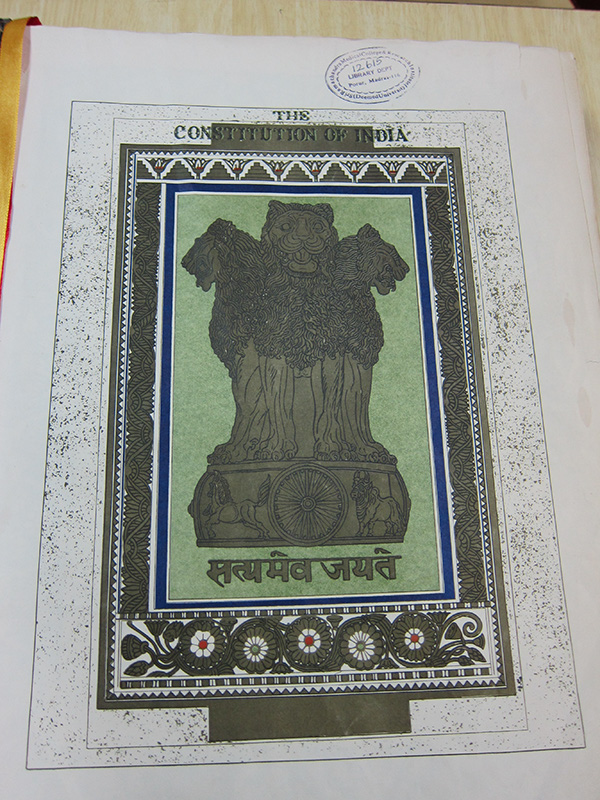
Constitution of India at the Sri Ramachandra University Library. This is one of the only five unique originals.
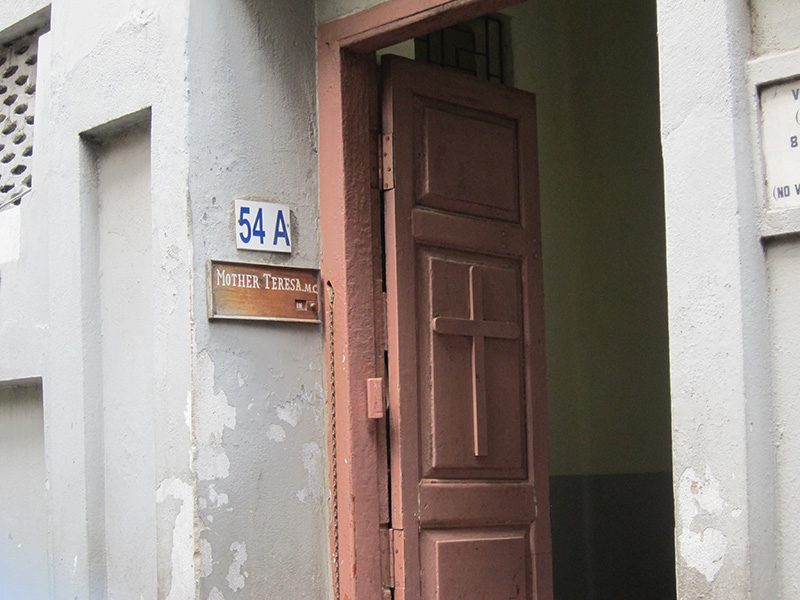
In Kolkata, Mother's Teresa House. An encounter with a faith and historical place.
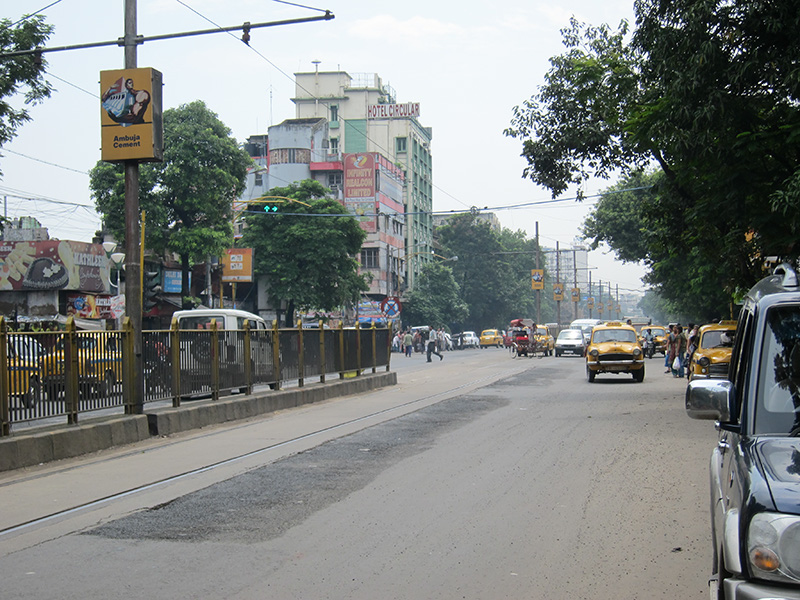
Around Kolkata streets…
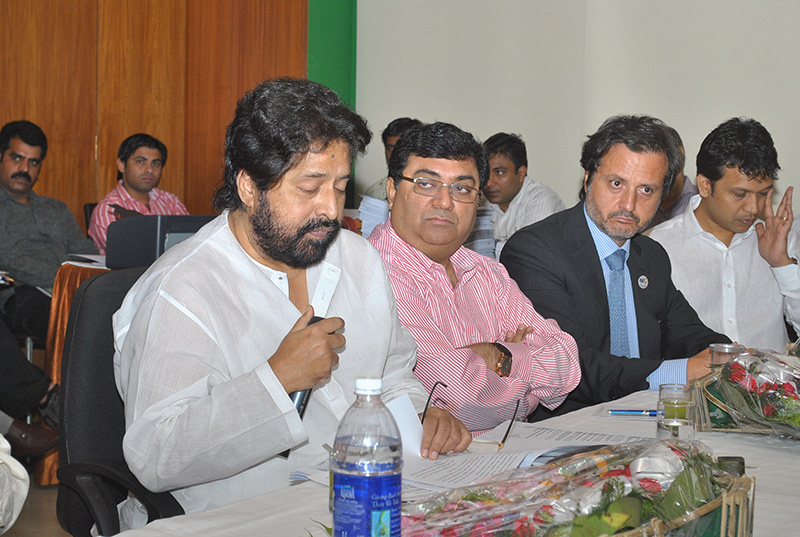
In Kolkata, I had a meeting with the Dental Council of India. Representatives of all the regions of India were present, as well academics. I described all the achievements and approaches of FDI regarding the Non-Communicable Diseases. The minister of Health and Family Welfare-Government of India, Mr. Shri Sudip Bandyopadhyay, was also present at the opening
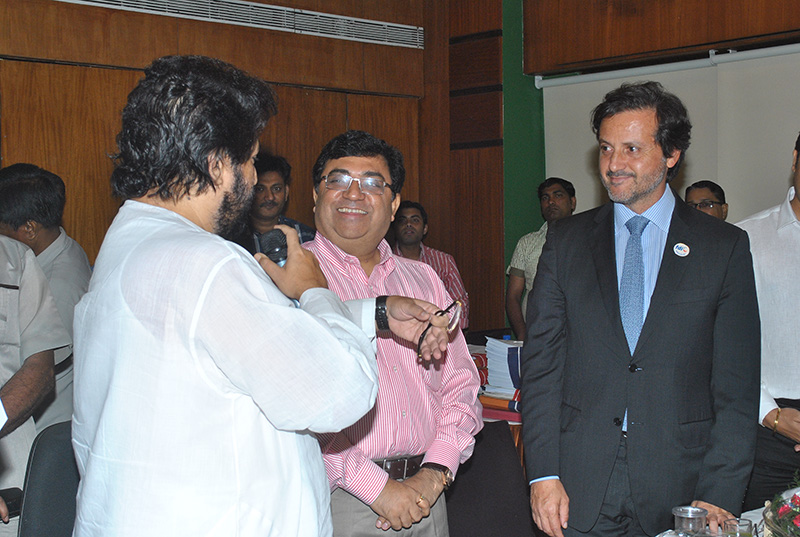
With Dr. Mahesh Verma (at my side), vice-president of Dental Council of India, and Dr. Shri Sudip Bandyopadhyay, minister
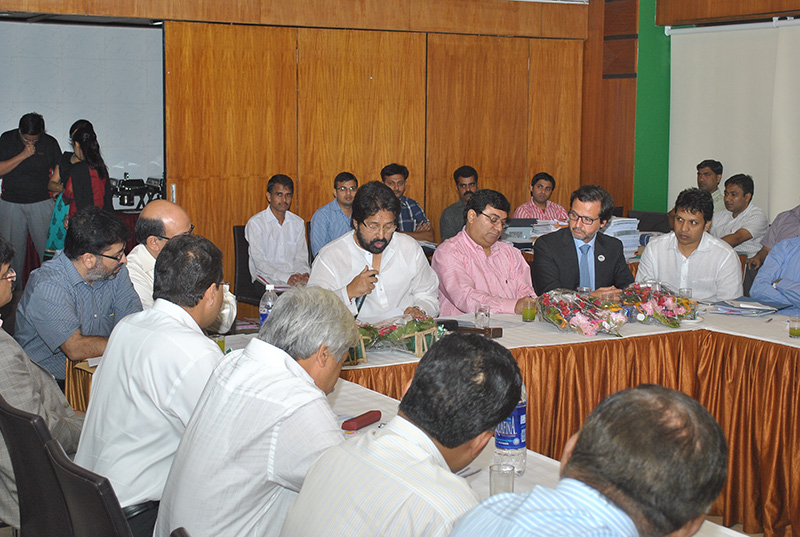
Participants and Dr. Dibyendu Mazumdar, president of Dental Council of India, at Dr. Shri Sudip Bandyopadhyay side
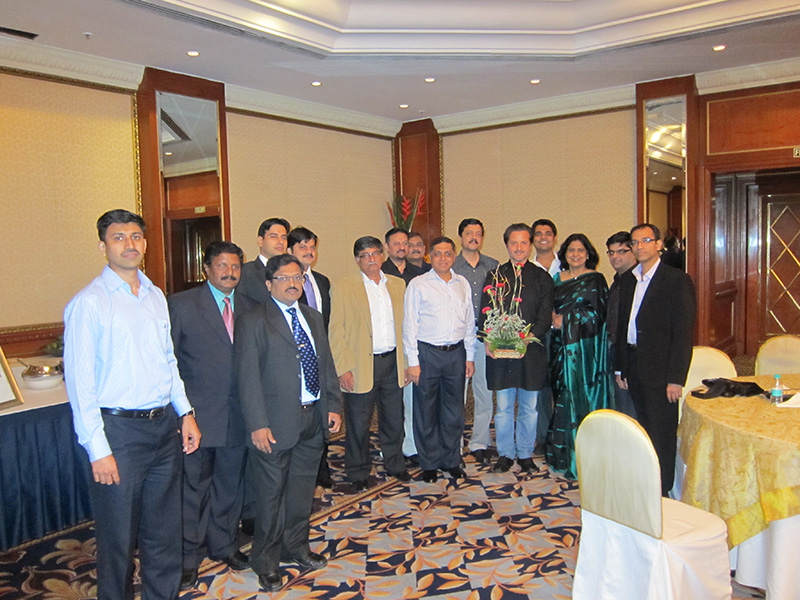
Farewell meeting in Mombai, launched by Hon Secretary General Message, IDA, Dr. Ashok Dhoble
1 Comment | FDI World, India | Tagged: chennai, dental, kolkota, mombai, university | Permalink
Posted by Orlando Monteiro da Silva
I have already shared some photos of my taking office as FDI president. Now I let you with some more moments from the FDI Annual World Dental Congress, in Mexico.
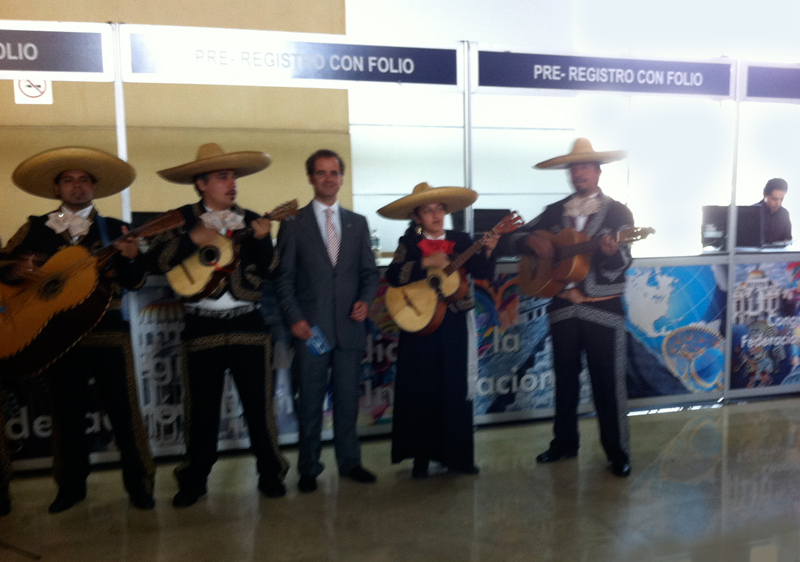
Before the opening cerimony
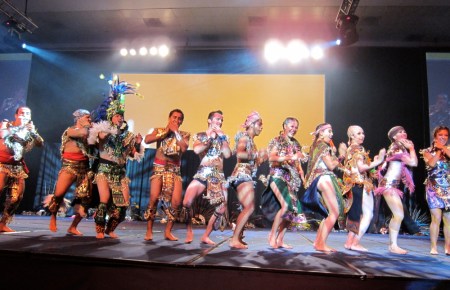
Opening ceremony
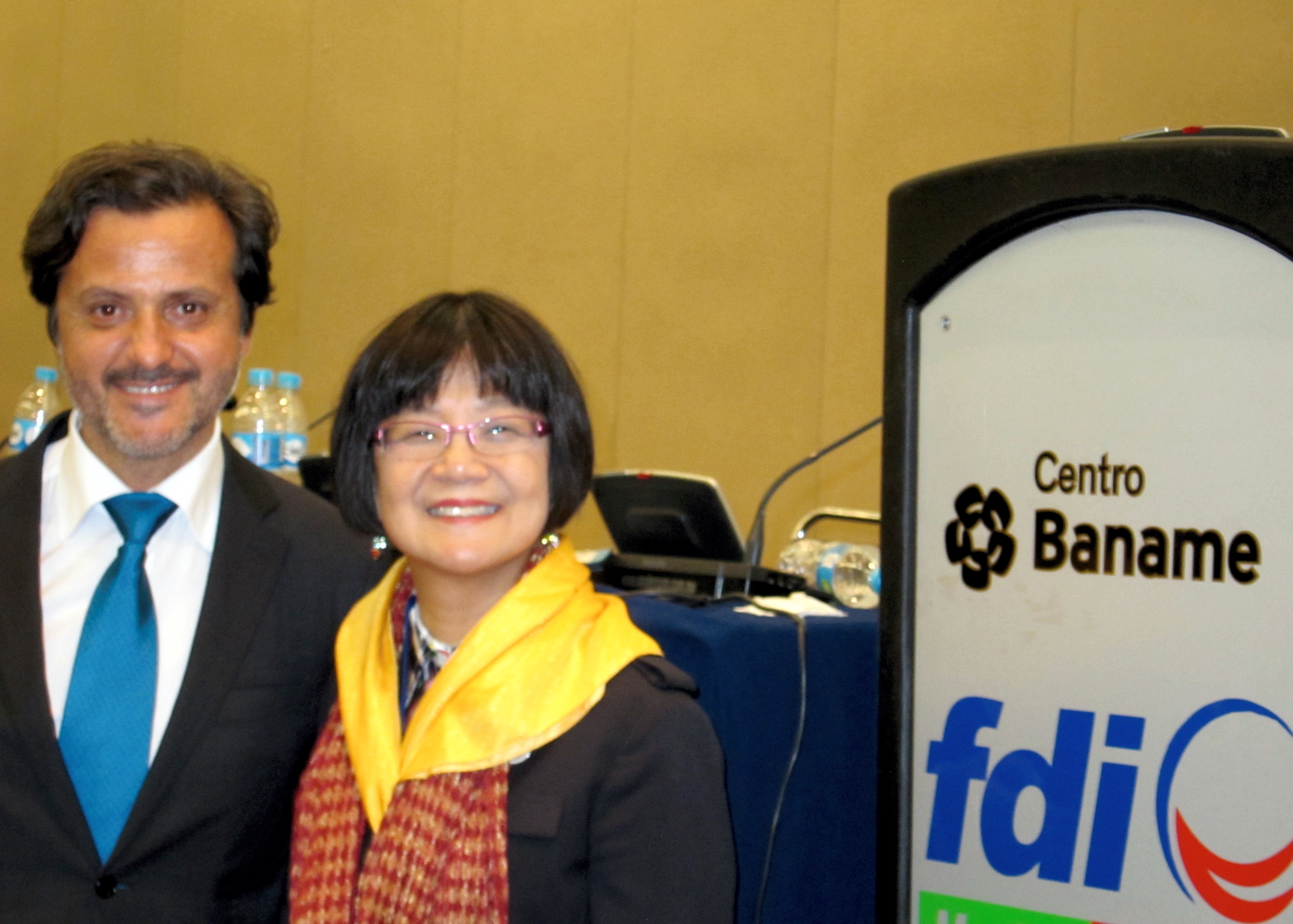
With the FDI president-elect, TC Wong, from Hong Kong
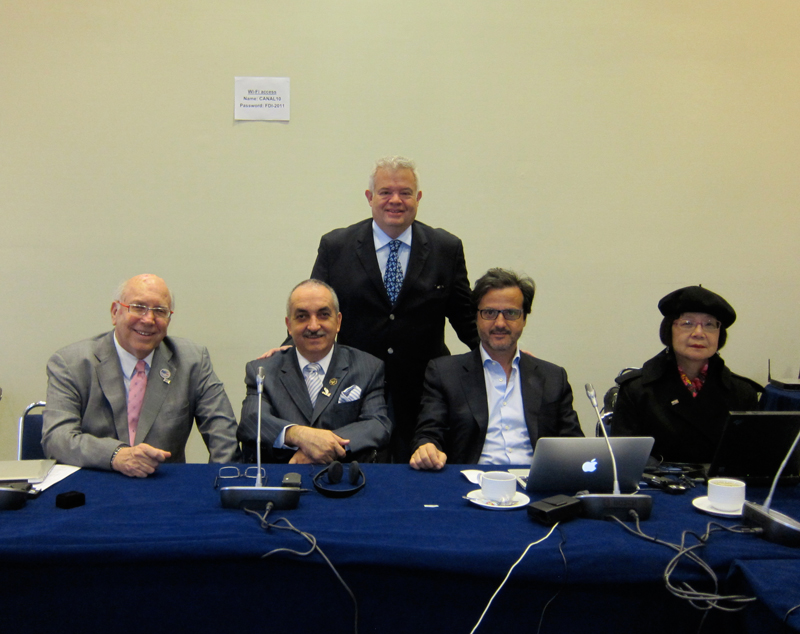
Local Organizing Committee Mexico: Victor Guerrero to my left and Jaime Edelson behind. Also with us, TC Wong and Roberto Vianna.
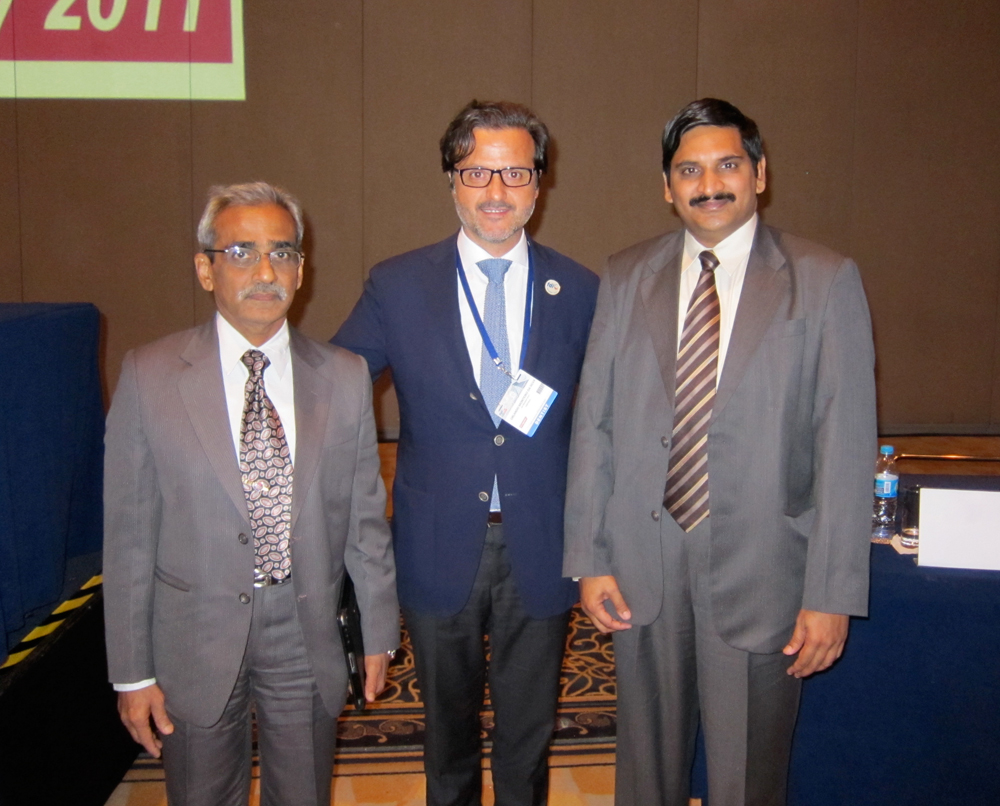
With George Thomas (left), Indian Dental Association president, and L. Krishna Prasad (right), immediate past president
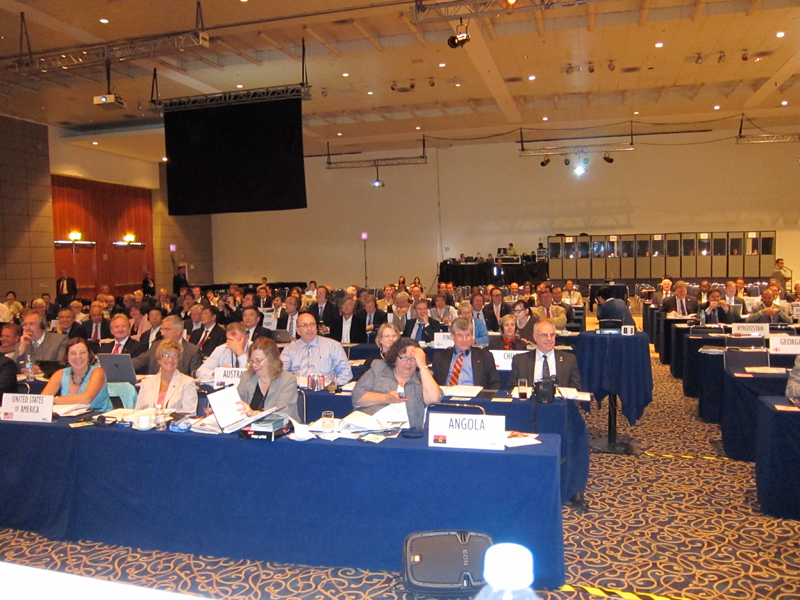
General Assembly B
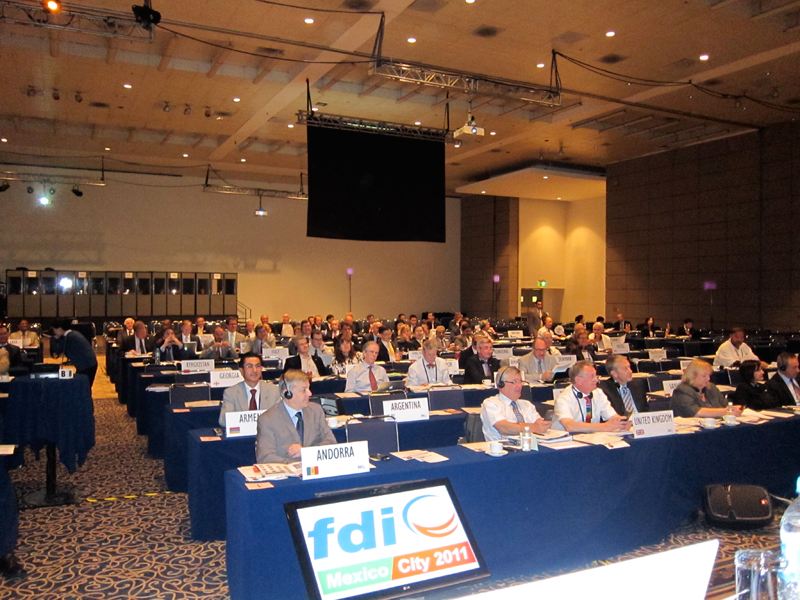
General Assembly B
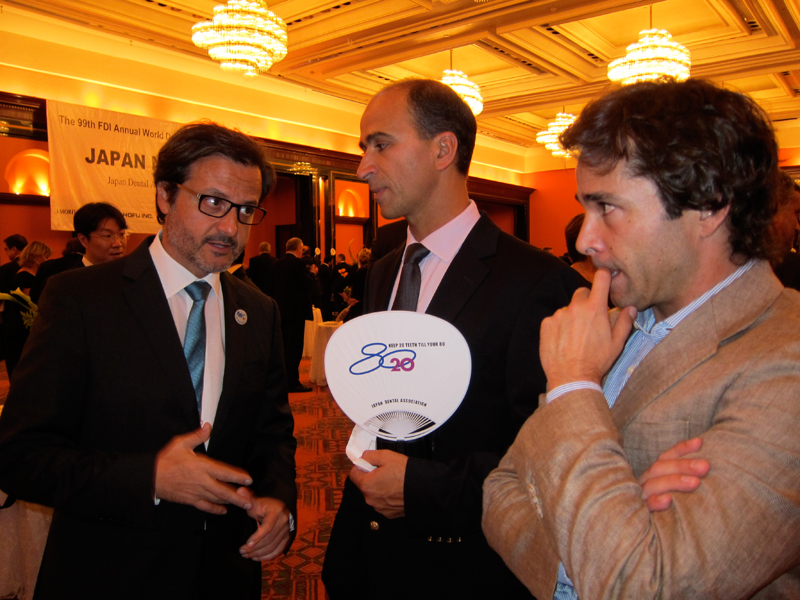
At the Japan Night. Here with Gil Fernandes Alves (left) and Ricardo Faria e Almeida (right)
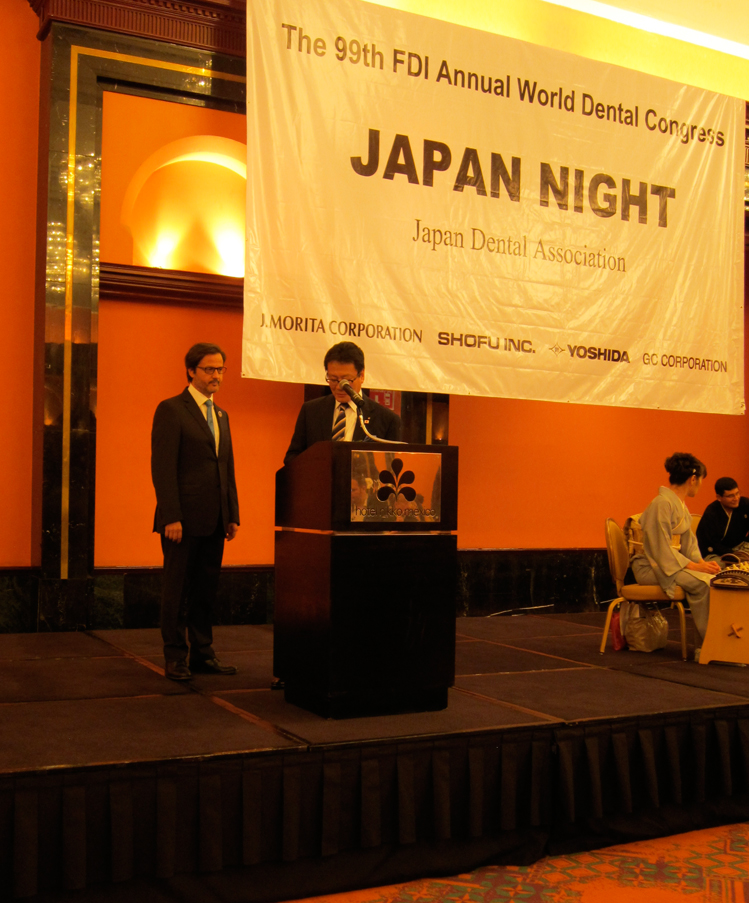
At the Japan Night
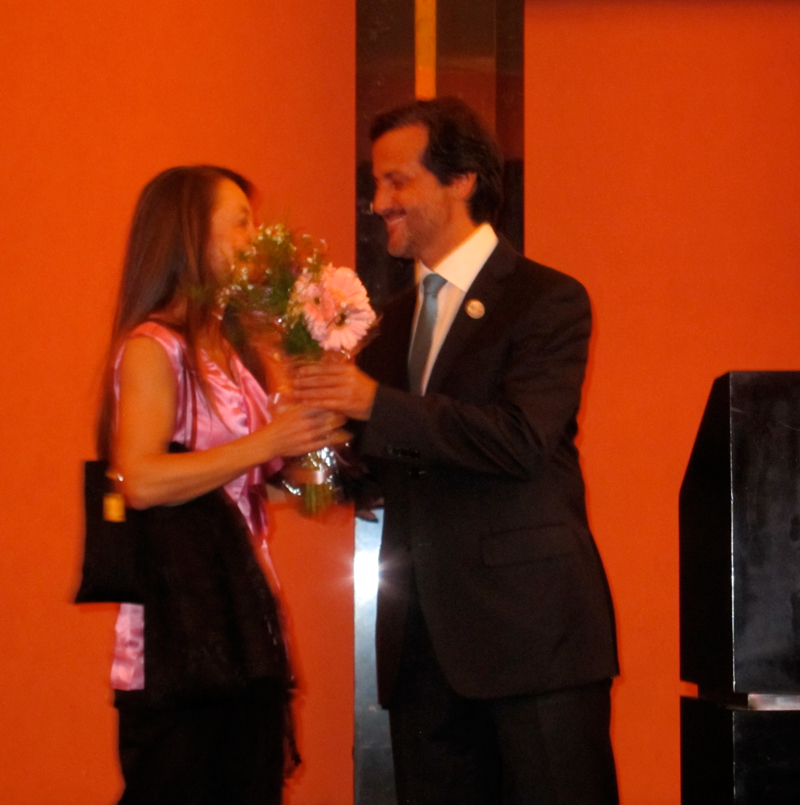
Japan Night. Proposing a toast due to my wife's birthday
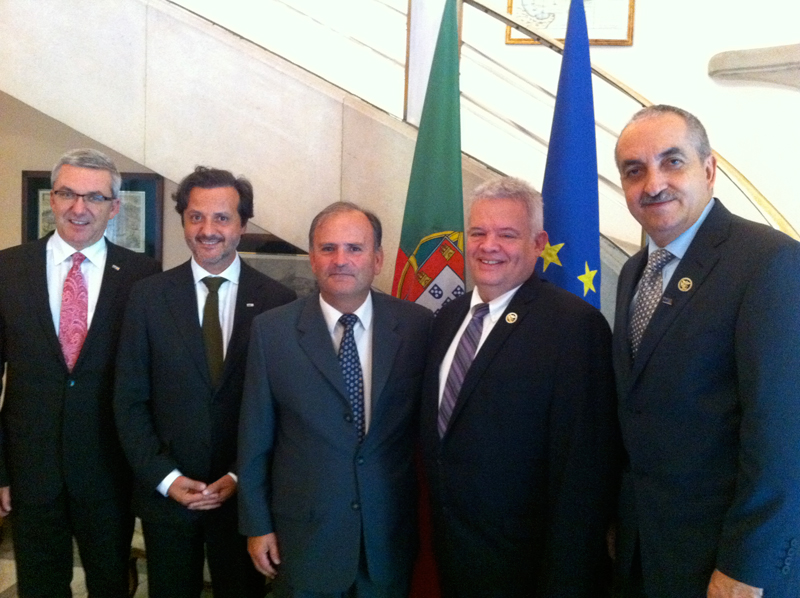
At the Portuguese Embassy. From left, Jean-Luc Eiselé (FDI executive director), myself, João Caetano da Silva (ambassador), Jaime Edelson and Victor Guerrero (both from the Mexican Dental Association and Local Organizing Committee)
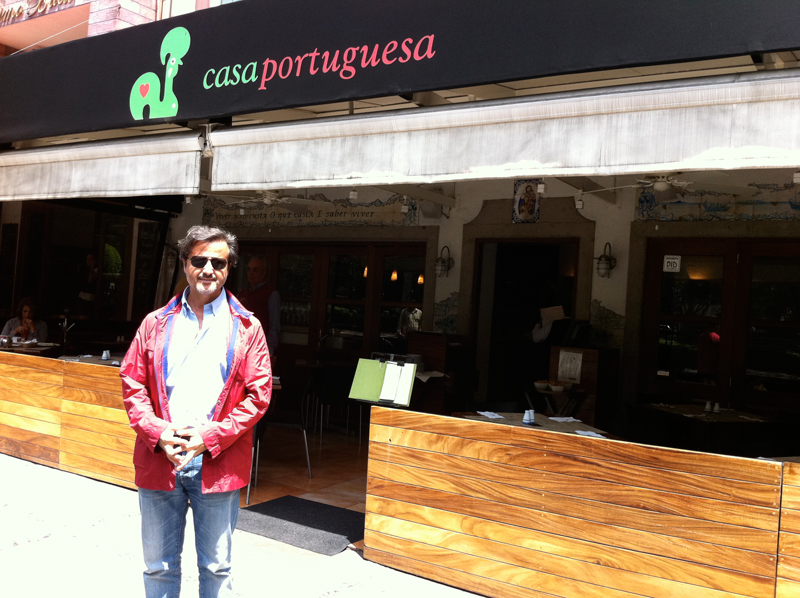
A portuguese restaurant in Mexico City
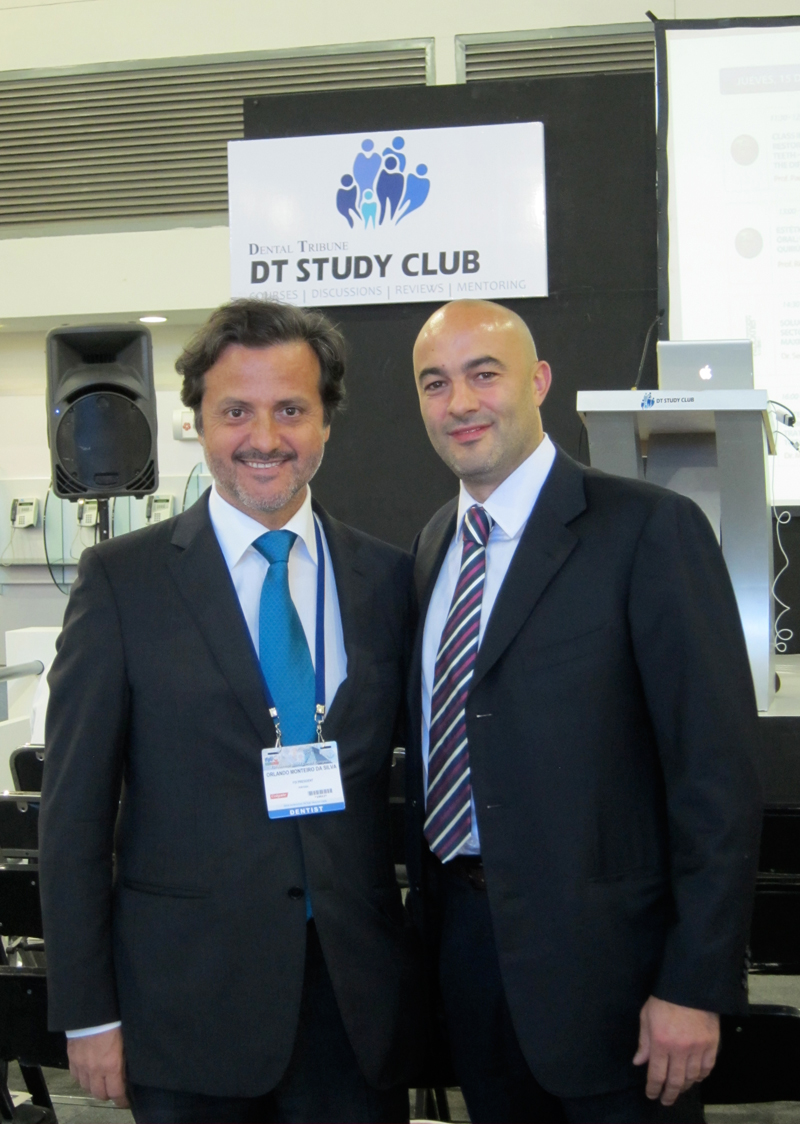
With Torsten Olsen, from the International Dental Tribune
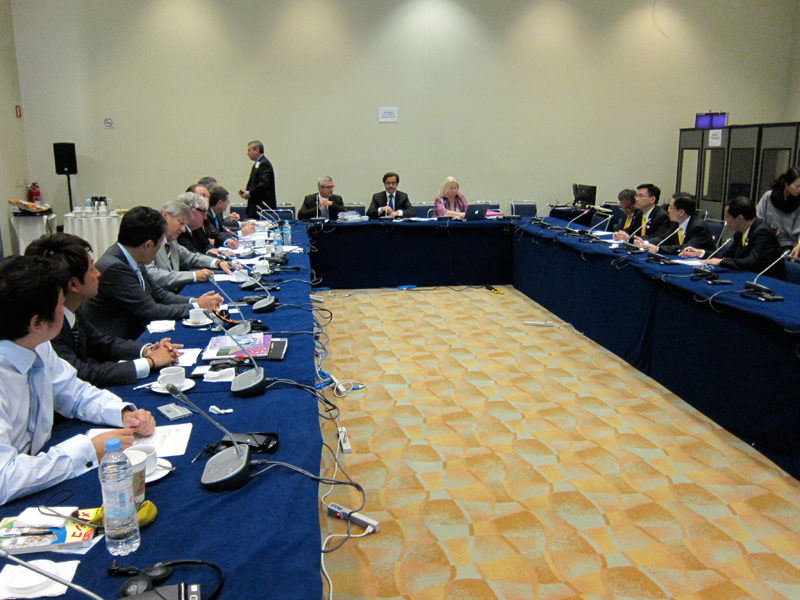
FDI Council meeting with IDM, International Dental Manufacturers
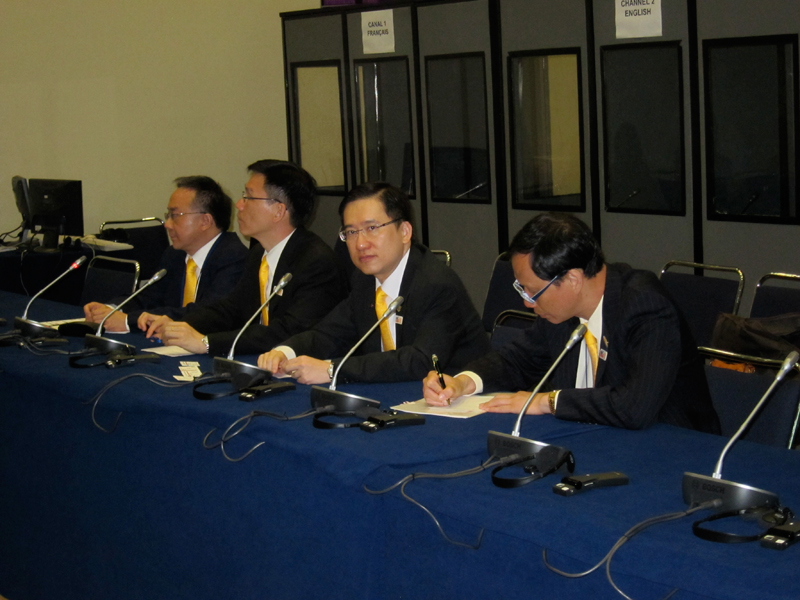
2012 FDI World Dental Congress Organizing Committee, Hong Kong
Comments Off on Moments from the FDI World Dental Congress Mexico | FDI World, Mexico | Tagged: congress, dental | Permalink
Posted by Orlando Monteiro da Silva
 Great achievement for FDI-World Dental Federation and all those who advocated for that approach.
Political Declaration from the High Level Meeting adopted by the General Assembly on the prevention and control of non-communicable diseases:
We, Heads of State and Government and representatives of States and Governments, assembled at the United Nations from 19 to 20 September 2011 to address the prevention and control of non-communicable diseases worldwide, with a particular focus on developmental and other challenges and social and economic impacts, particularly for developing countries.
The United Nations “recognize that renal, ORAL and eye diseases pose a major health burden for many countries and that these diseases share common risk factors and can benefit from common responses to NCDs”.
WHO welcomes adoption of political declaration on prevention and control of noncommunicable diseases. (01:16′, download)
Meeting on noncommunicable diseases should be “wake-up call” for action. World Health Organization (02:45′, download)
Non-communicable diseases a “slow motion disaster”. Dr Margaret Chan, WHO director general (00:27′, download)
Noncommunicable diseases do not have to spell doom for people of the Caribbean Desi Bouterse, president of the Caribbean Community (CARICOM) (01:35′, download)
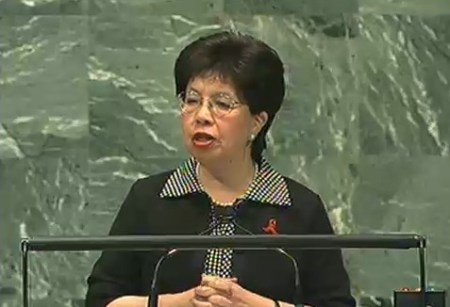
Dr Margaret Chan, World Health Organization (WHO) director general, speaking to the Assembly
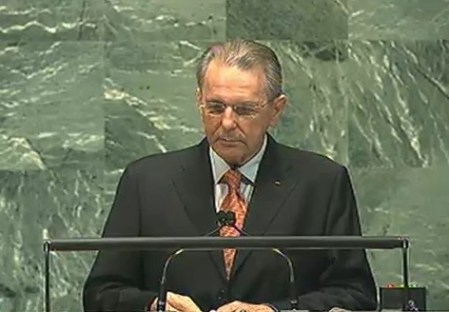
Jacques Rogge, president of the International Olympic Committee (IOC)
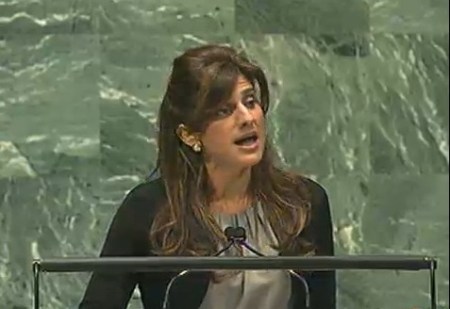
HRH Princess Dina Mired, director general of the King Hussein Cancer Foundation (KHCF), delivers a keynote speech
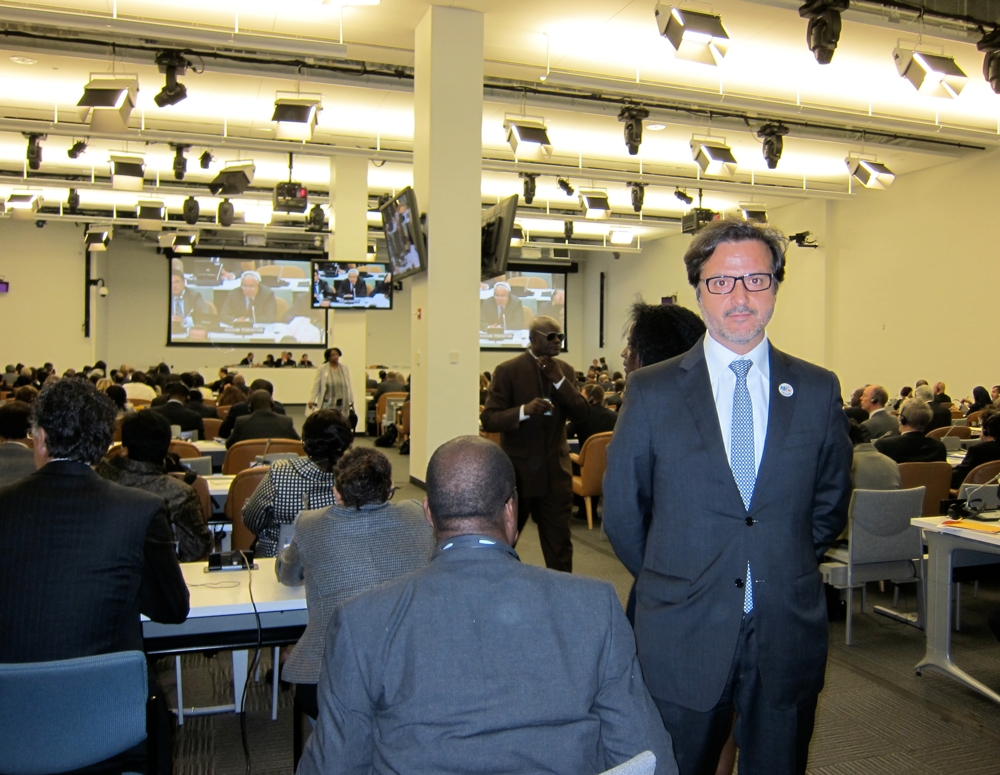
Attending Round Table 1 on behalf of FDI- World Dental Federation
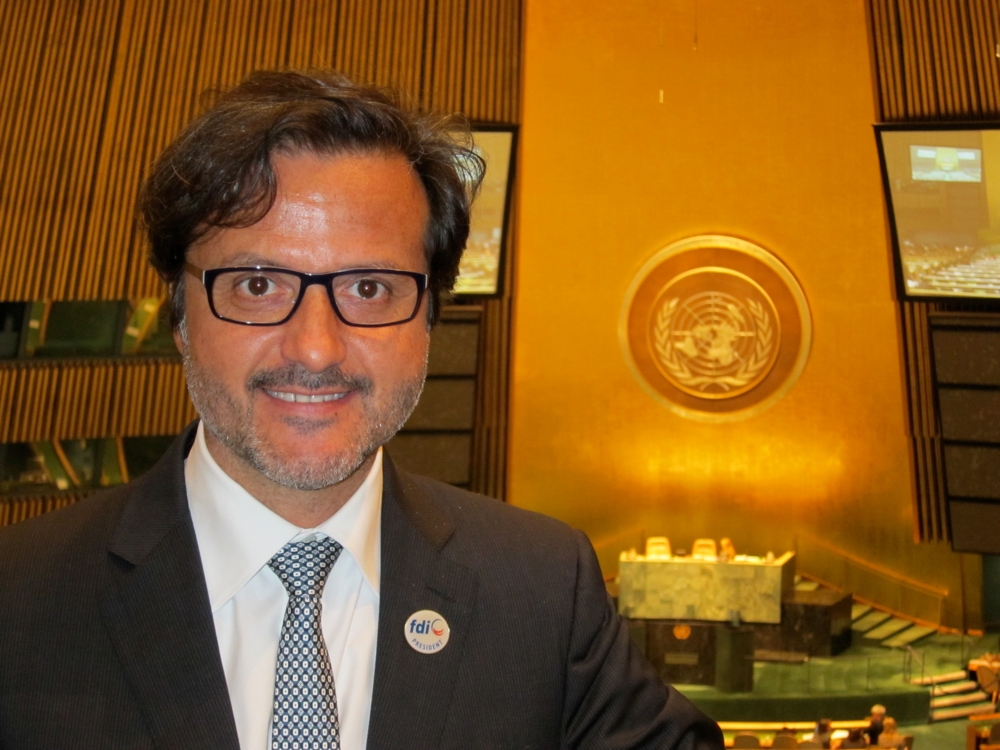
In the UN General Assembly
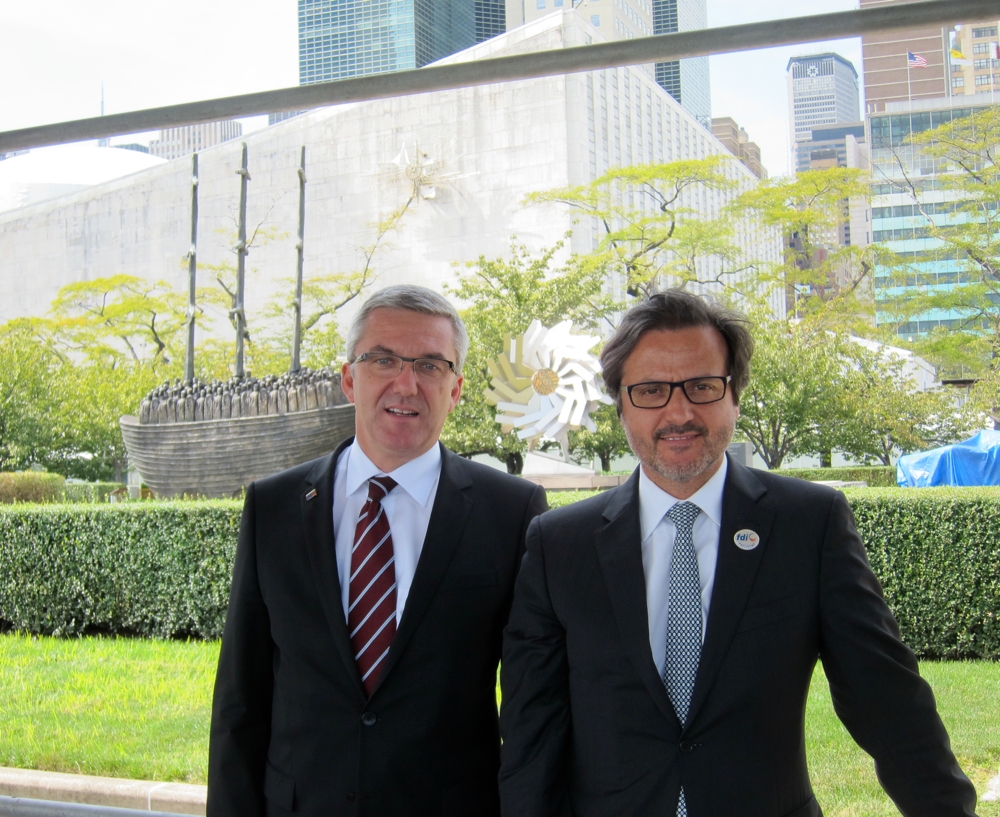
With the FDI executive director, Jean Luc Eiselé (left), next to the United Nations building
Comments Off on Oral Health included in the United Nations Non Communicable Diseases global strategy | FDI World, United Nations, USA | Tagged: dental, ncd, New York, un assembly | Permalink
Posted by Orlando Monteiro da Silva
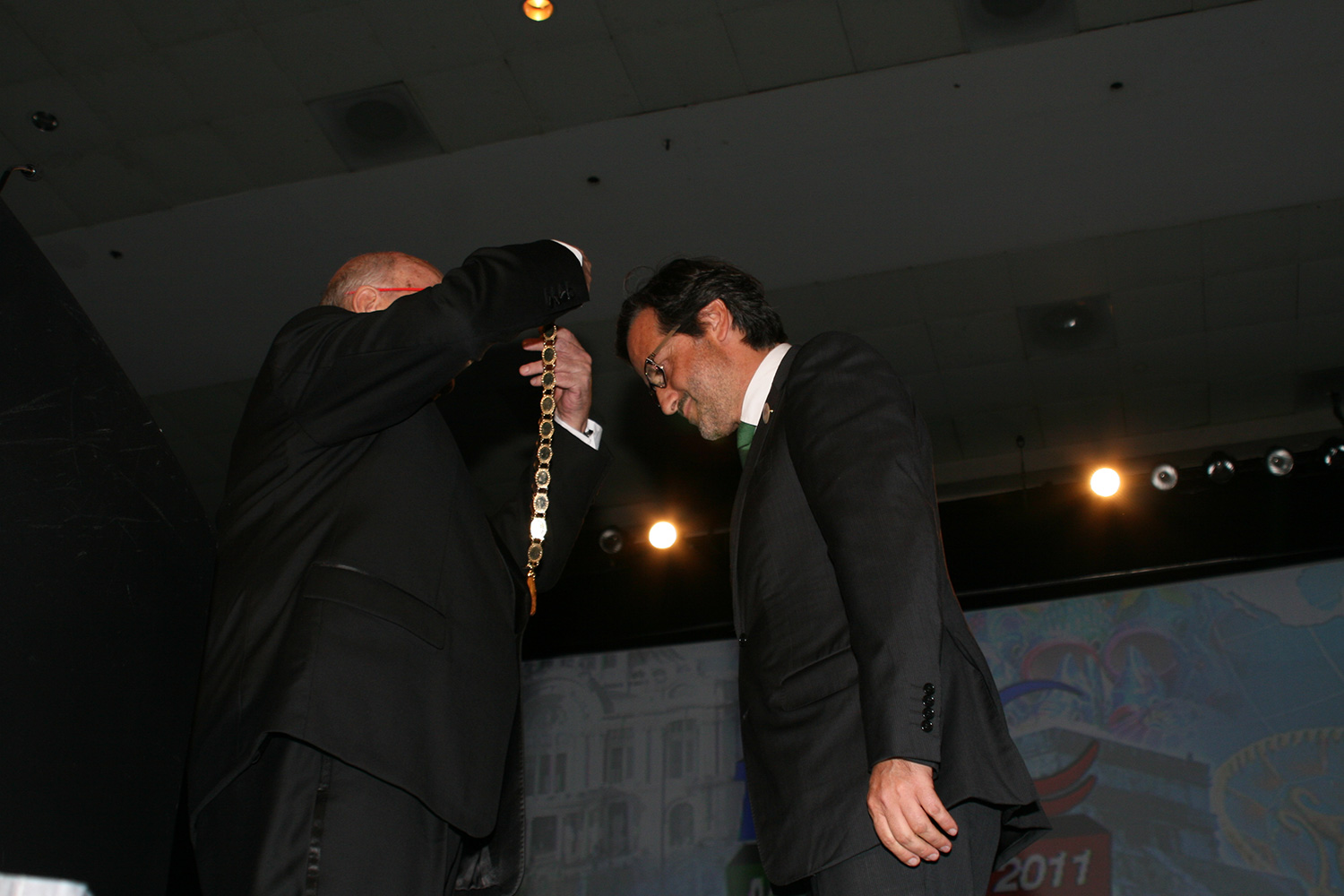
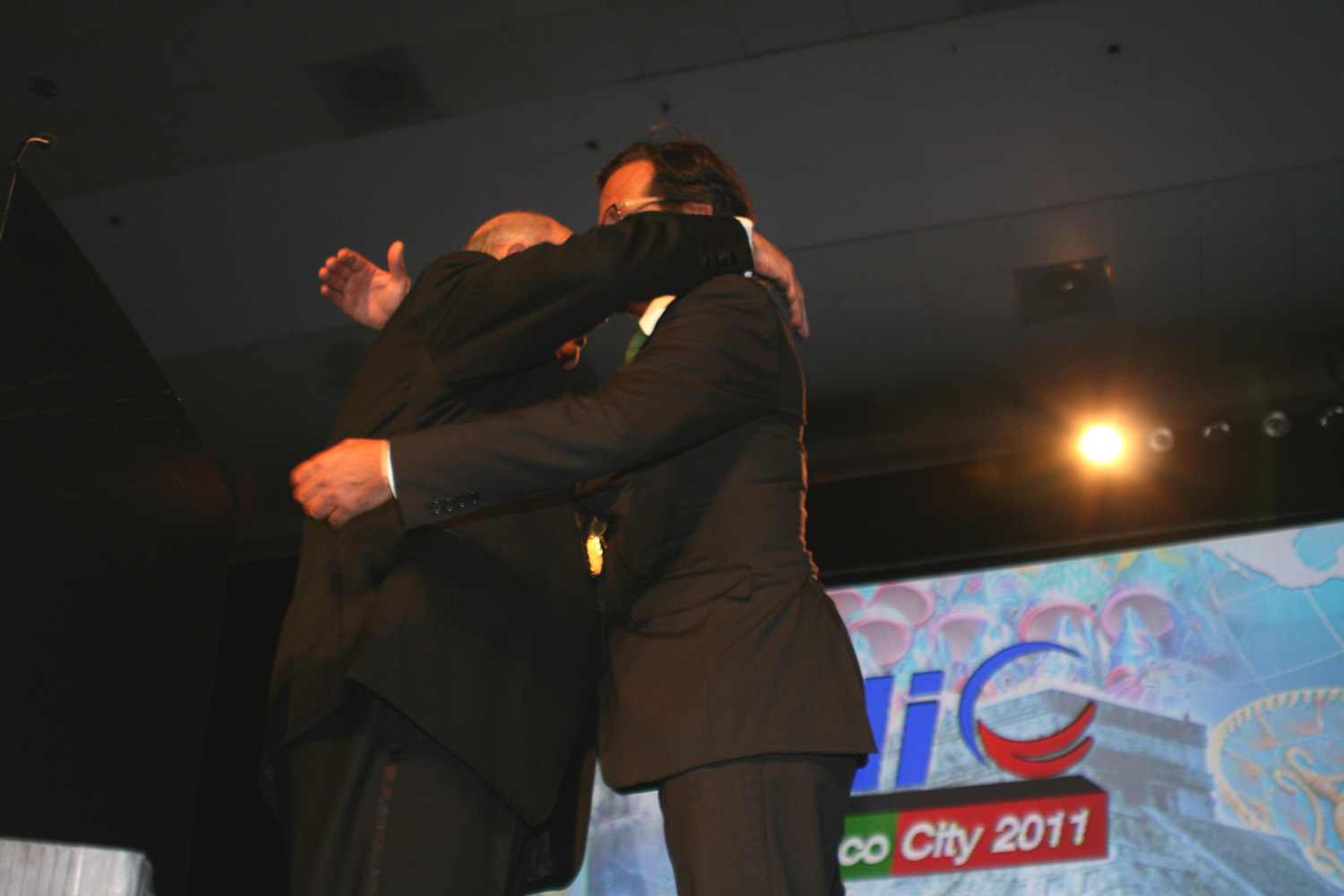
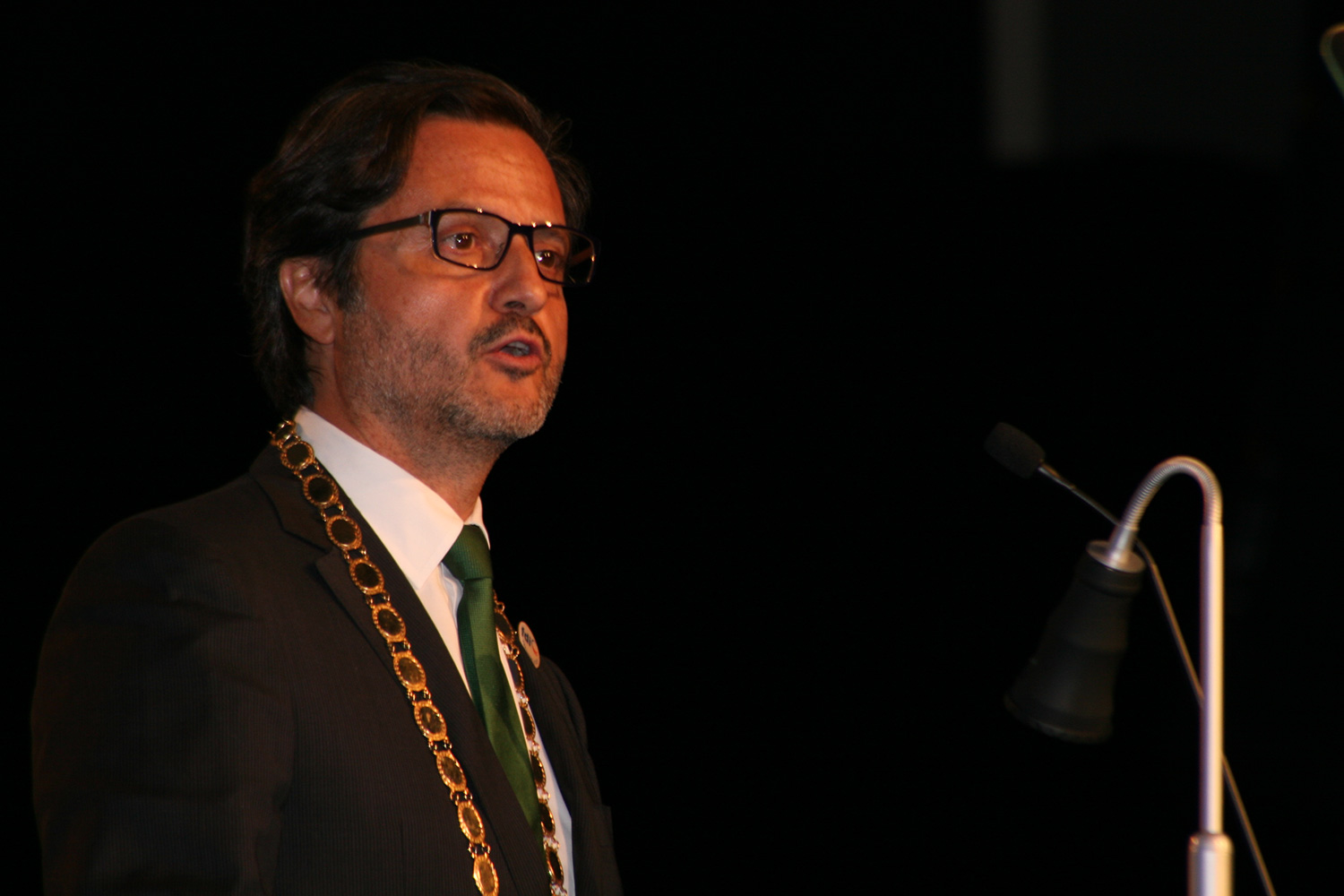
My taking office ceremony as FDI president took place yesterday, 14th September, in Mexico City. It’s an exciting new step. I’m very grateful for your support. Please read my speech below.
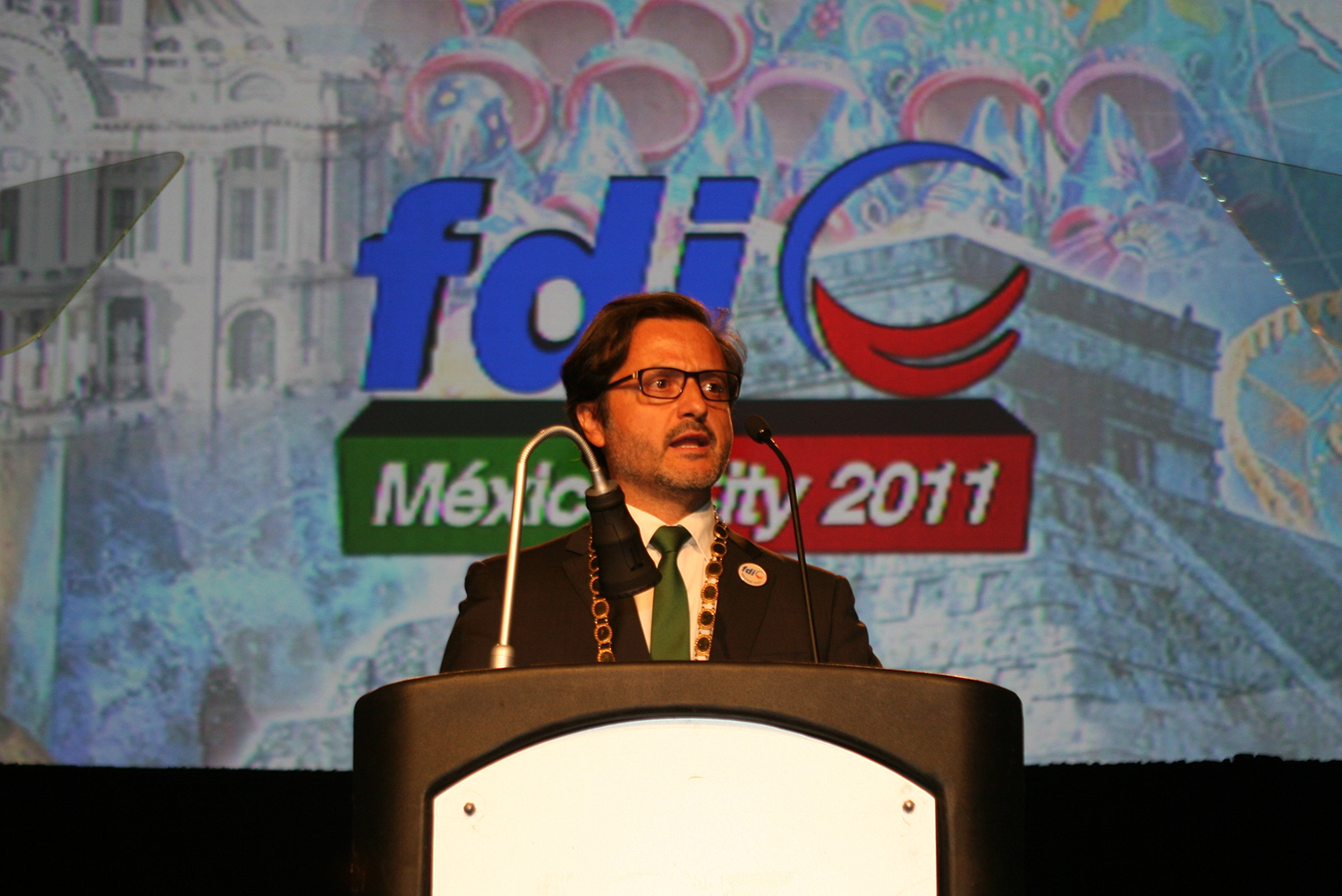
Your Excellencies
Honoured guests
Ladies and gentlemen
When I attended my first FDI Congress in Paris in 2000, I did not imagine that, 11 years later I would be here, addressing my colleagues in a few days at the Opening Ceremony as FDI President.
It’s a moment of great emotion for me and I would like to take this opportunity to thank those who have supported me along the way, my family, my friends, and my colleagues from the Portuguese Dental Association, Ordem dos Médicos Dentistas, who supported my candidacy.
The work of each president is to lead, strengthen and update policy and strategy in response to new social, political, economic and technological developments. Here are some of my thoughts:
For decades, the dental profession – dental medicine as it should be designated – has limited its scope to the “operative or restorative” approach to dentistry. Today, it is generally agreed that we must move closer to the medical sphere., especially as co-related classic areas of dental medicine, education, prevention, treatment and rehabilitation demand this approach:
Why? Three reasons
In fact, after this Congress, I will travel to New York to attend the United Nations Summit on NCDs. I will also be there to for the UN launch of an NCD Action Toolkit that FDI has developed, demonstrating its commitment to work through partnerships such as the World Health Professions Alliance.
As for me:
It is my personal ambition to support FDI in its efforts to lead them, and the world population in general, to optimal oral health.
5 Comments | FDI World, Mexico | Permalink
Posted by Orlando Monteiro da Silva
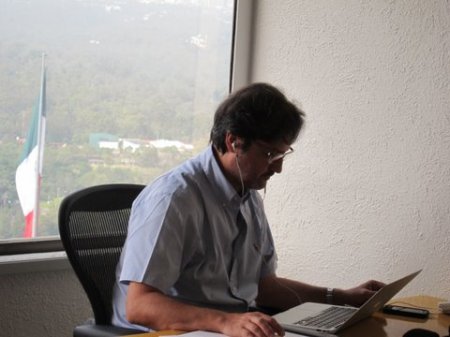
..to 2011 FDI Annual World Dental Congress in Mexico City…
When I attended my first FDI Congress in Paris in 2000, I did not imagine that, 11 years later I would be here, addressing my colleagues in a few days at the Opening Ceremony as FDI President.
It’s a moment of great emotion for me and I would like to take this opportunity to thank those who have supported me along the way, my family, my friends, and my colleagues from the Portuguese Dental Association, Ordem dos Médicos Dentistas, who supported my candidacy.
In the next few days, I will be updating this blog with some photos and comments from Mexico City. Keep in touch by subscribing to my e-mail alerts.
Comments Off on Preparing a speech to the Opening Ceremony… | FDI World, Mexico | Permalink
Posted by Orlando Monteiro da Silva
Please check my interview at the ALUMNI International Magazine (PDF), from the Young Dentists Worldwide, as president-elect of the World Dental Federation.
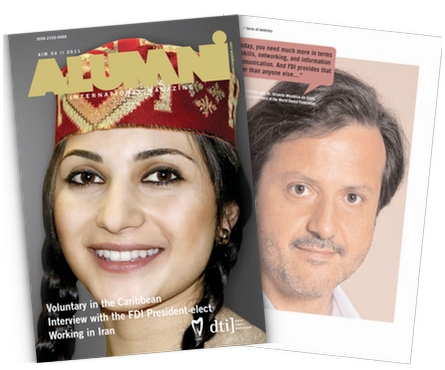
Download PDF (303 KB)
Comments Off on ALUMNI International Magazine interview | FDI World, Interviews | Permalink
Posted by Orlando Monteiro da Silva
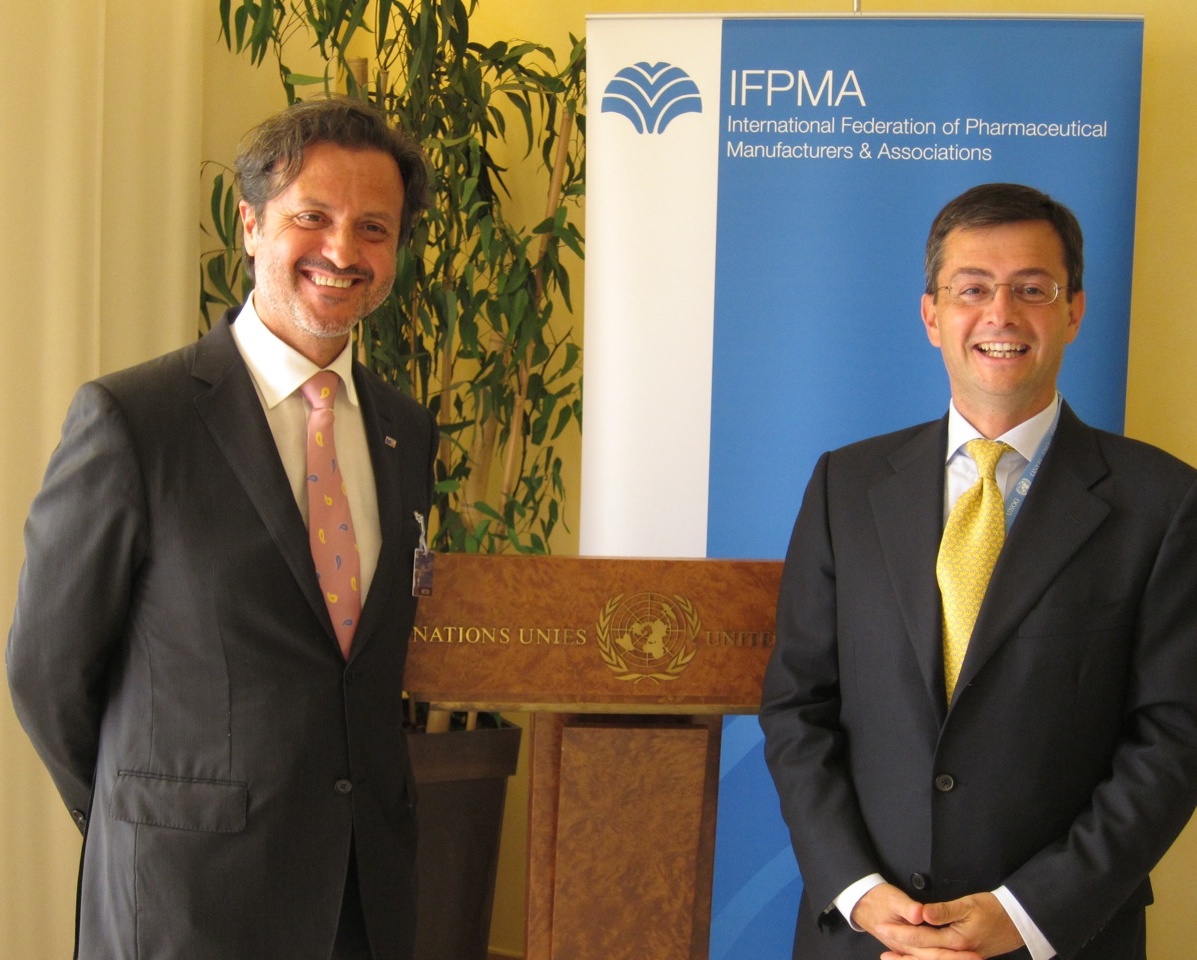
Me with Eduardo Pisani, Director General of IFPMA (International Federation of Pharmaceutical Manufacturers & Associations)
By invitation of the IFPMA – International Federation of Pharmaceutical manufacturers and Associations, I had the pleasure of participating as speaker representing the World Health Professional Alliance (WHPA) at the United Nations – Economic and Social Council, ECOSOC “Innovation Fair”, on 7 July in Geneva. The Fair run parallel to the ECOSOC High-level Segment.
 The theme was Education for Non Communicable Diseases. I’m sharing a part of my communication, provided by FDI – World Dental Federation Head office Geneva, to a selected audience, acknowledging in particular Eduardo Pisani, moderator and Director General of IFPMA.
FDI President-Elect – brief address to ECOSOC – 7 July 2011
Your excellencies
Ladies and gentlemenThank you for inviting me to say a few words on behalf of the World Health Professions Alliance, representing the views of more than 26 million health professionals. These professionals play a significant role in reducing the global NCD burden through health promotion, disease prevention, patient care and rehabilitation.
One theme of this ECOSOC event is ‘Education for All’: we might equally say ‘health for all’. Health education or health literacy, as we call it, is so tightly related to education: whether it’s basic literacy, to read instructions on medications, or the ability to understand and use the information provided by the medical professional.
Health education will play an extremely important role as policy makers and professionals try to grapple with one of today’s major challenges: the global epidemic of noncommunicable diseases, or NCDs, as they are known. What we need is education, education for the professional, to communicate better, listen better, and education for the patient: how to interpret the advice of the health professional.
WHPA is currently involved in a project to develop and deliver some educational and communication tools to convey important messages to members of the general public on the subject.
Although social and environment factors play an important role in NCDs, our own behaviour can have a significant. The educational messages WHPA is developing are based on prevention: don’t smoke, or if you do, give up; limit your consumption of alcohol, eat healthy food, exercise and check your health from time to time with a health professional for danger signal.
These are easy messages, you may think, yet messages that encounter resistance not just from individuals but from the industries that promote and encourage, for example, smoking or unhealthy food. The important point we want to convey is personal responsibility for health through the choices we make and through our own behaviour. This will be a crucial factor in the fight against NCDs.
The other part of the WHPA campaign is to ensure that our views on preventing and managing noncommunicable diseases are heard by the major international institutions and reflected in the various declarations from international gatherings convened to discuss NCDs.
Our next target is the UN Summit convened in New York on 19 September. We have already provided input and we very much hope that our views translate into specific terminology that addresses our concerns in the Summit Declaration. What we recommended was:
- Adopting an holistic approach based on common risk factors;
- That due attention be paid to the social determinants of health;
- To widen the scope of NCDs and associated recommendations to include oral health and mental health
- Investment in the development and education of the healthcare workforce.
We also believe very much in the need to strengthen health care systems through a holistic health care system, with a focus on primary health care and strong link to prevention, specialized treatment and rehabilitation
I would like to close my remarks by quoting a colleague of mine who highlighted education in school as an effective vehicle to address noncommunicable diseases. Education on health in school reaches children at an age when they are still receptive about behaviour change and to acquire lifelong skills to enable them to lead healthy lives.
As a dentist, I would like also the role of oral health in the context of NCDs: the most common disease worldwide is tooth decay. It has large impact on societies, on children, on each an every one of us. Oral health also has significant co-factors with the other major NCDs. So, in educational programmes dedicated to the control and prevention of NCDs, let’s make sure we include oral diseases.
Comments Off on WHPA: Non Communicable Diseases | FDI World, IFPMA, Switzerland, World Health Professional Alliance | Tagged: geneva | Permalink
Posted by Orlando Monteiro da Silva
 Orlando Monteiro da Silva