A visão que o Dr. Luís Marques Mendes tem partilhado com os milhares de profissionais liberais portugueses, em Portugal e além-fronteiras, é profundamente inspiradora.
Também ele advogado e profissional liberal, Marques Mendes tem demonstrado ao longo de décadas de vida pública, uma coerência rara entre princípios e ação. A Ética não é, para si, um mero conceito abstrato, mas um modo de estar na política e na sociedade.
A sua defesa firme de um Estatuto dos Profissionais Liberais, que assegure autonomia, independência e autorregulação, bem como uma fiscalidade e proteção social justas e adequadas à sua realidade, é uma causa que honra quem assume os riscos de trabalhar por conta própria com competência e responsabilidade.
Luís Marques Mendes reúne as qualidades que o país hoje mais precisa num Presidente da República: competência, credibilidade, sentido de Estado e exigência ética.
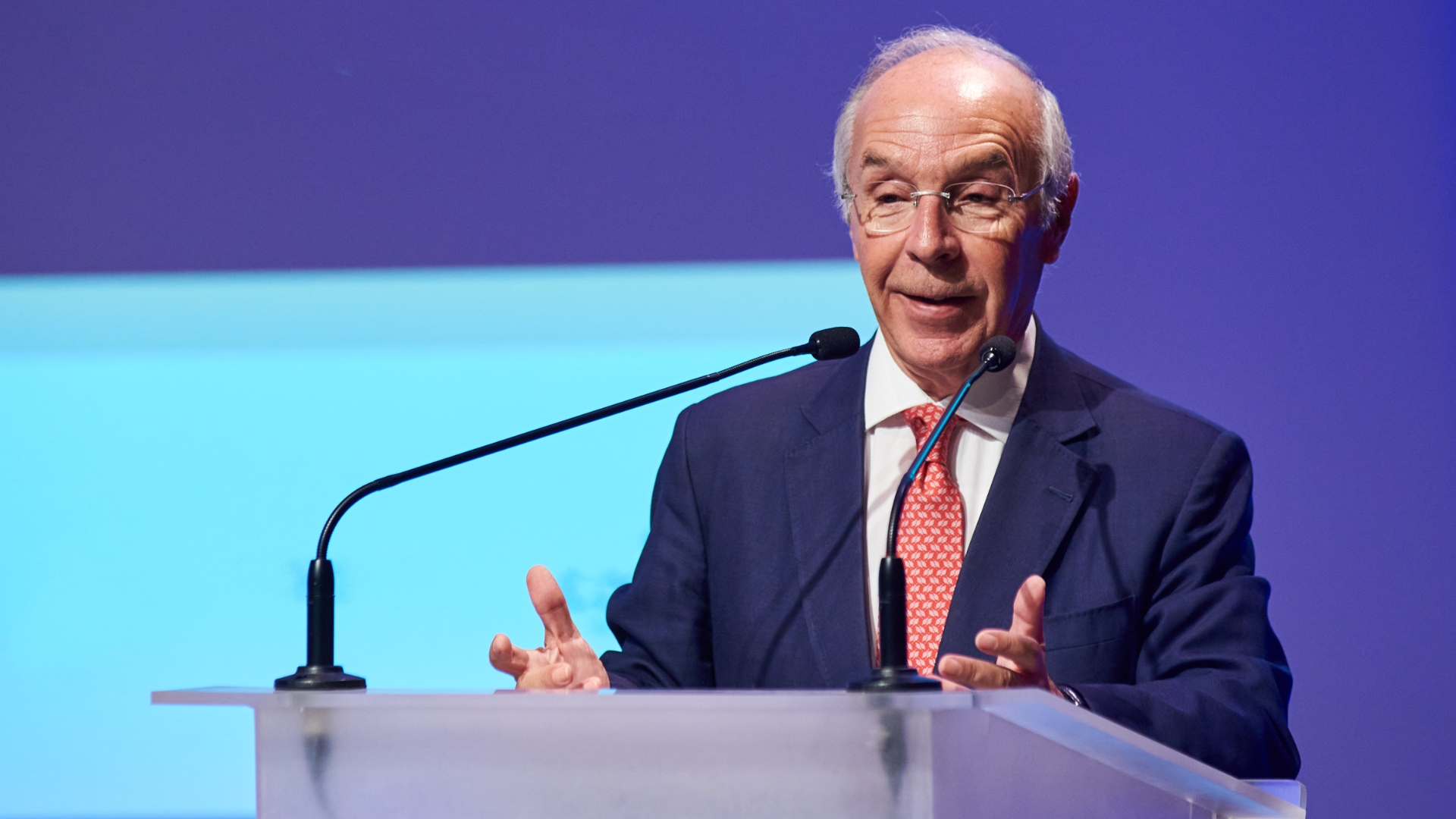
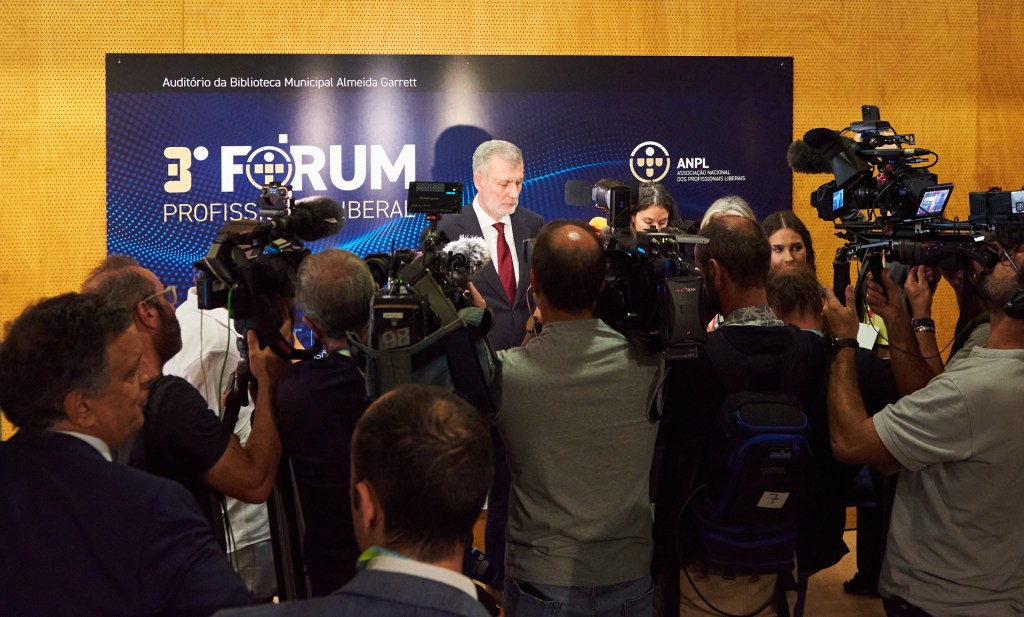
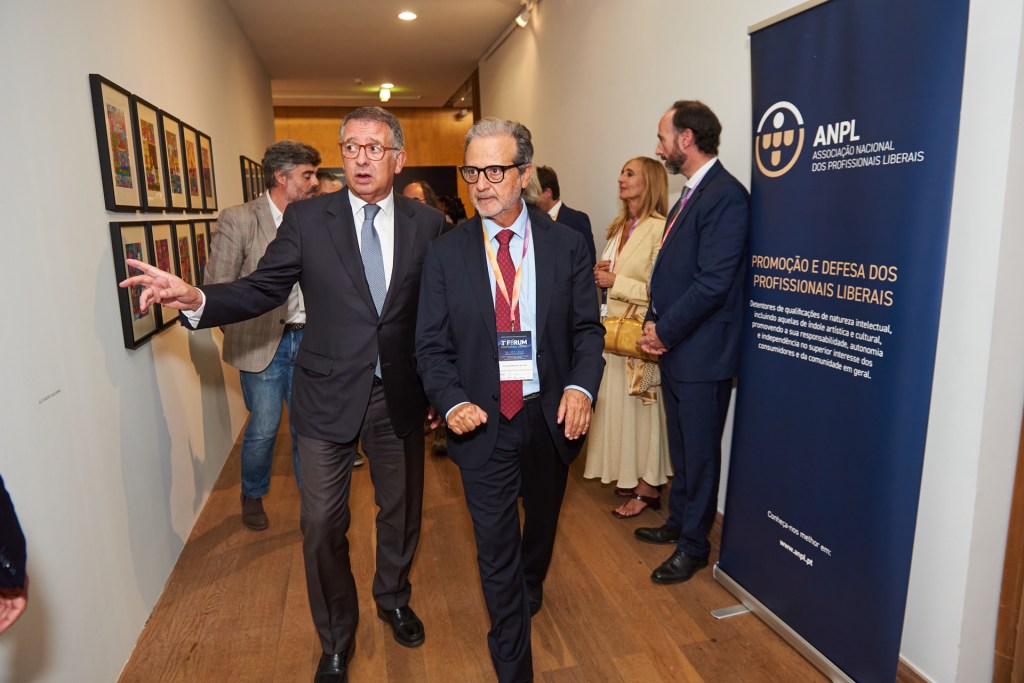
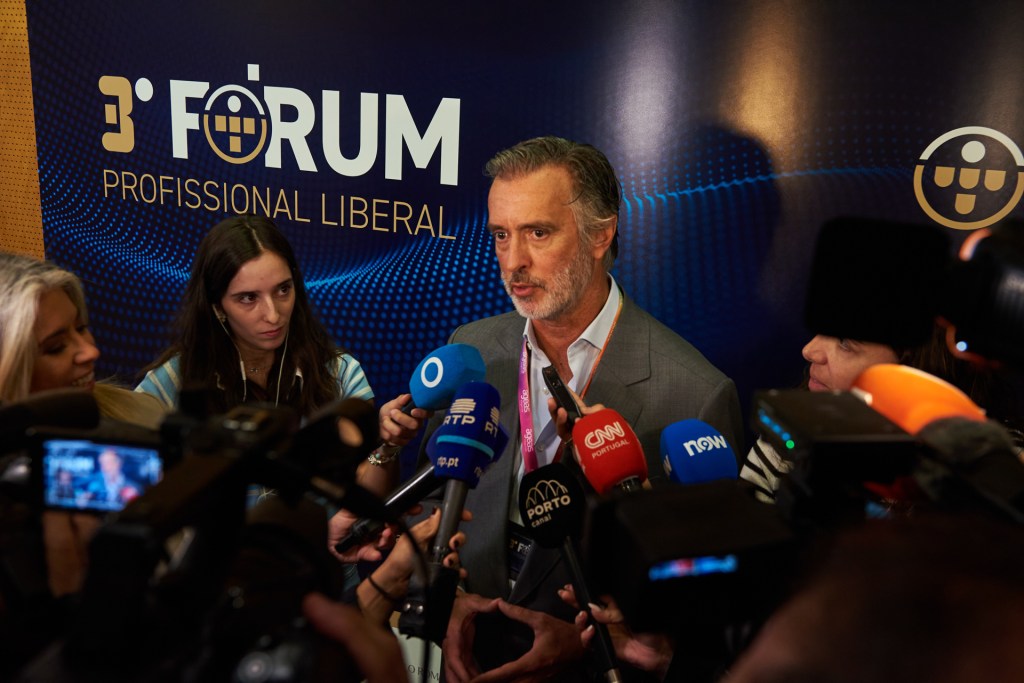
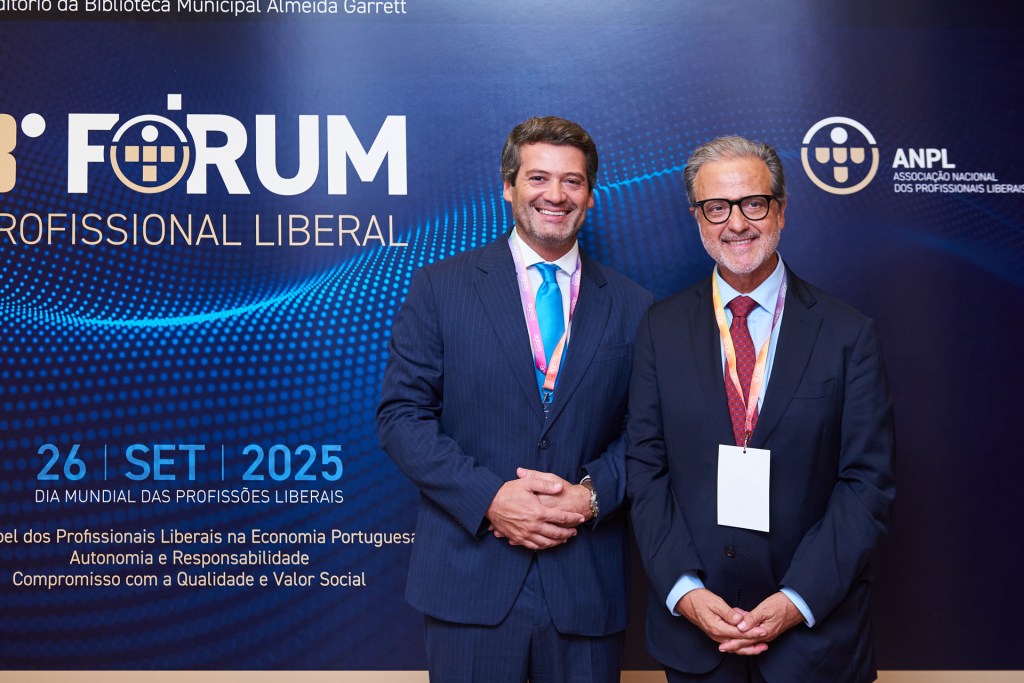
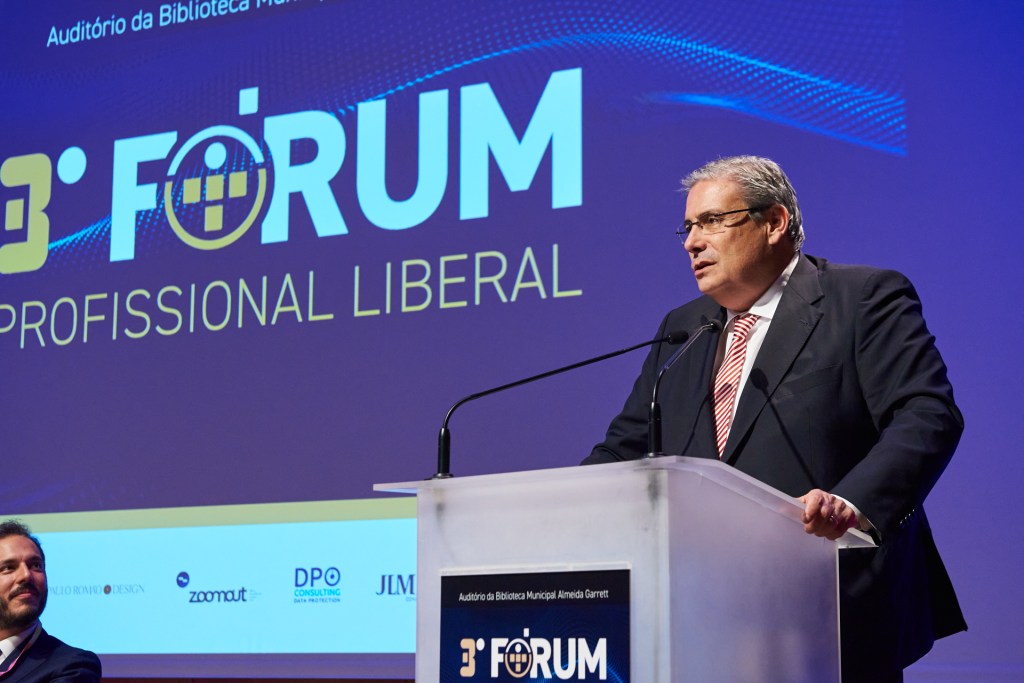
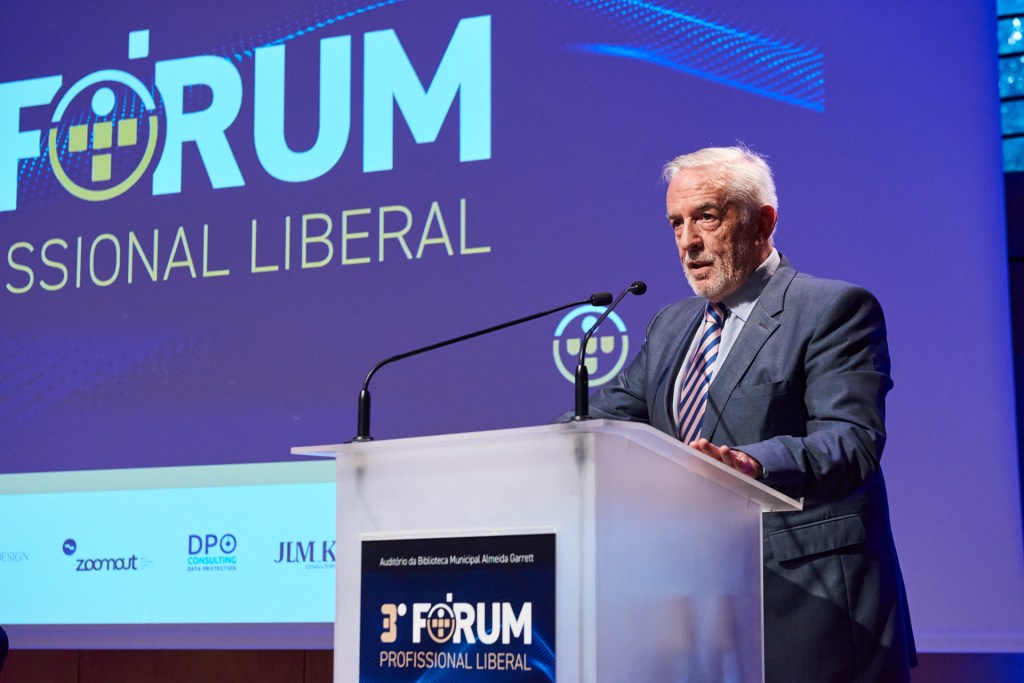
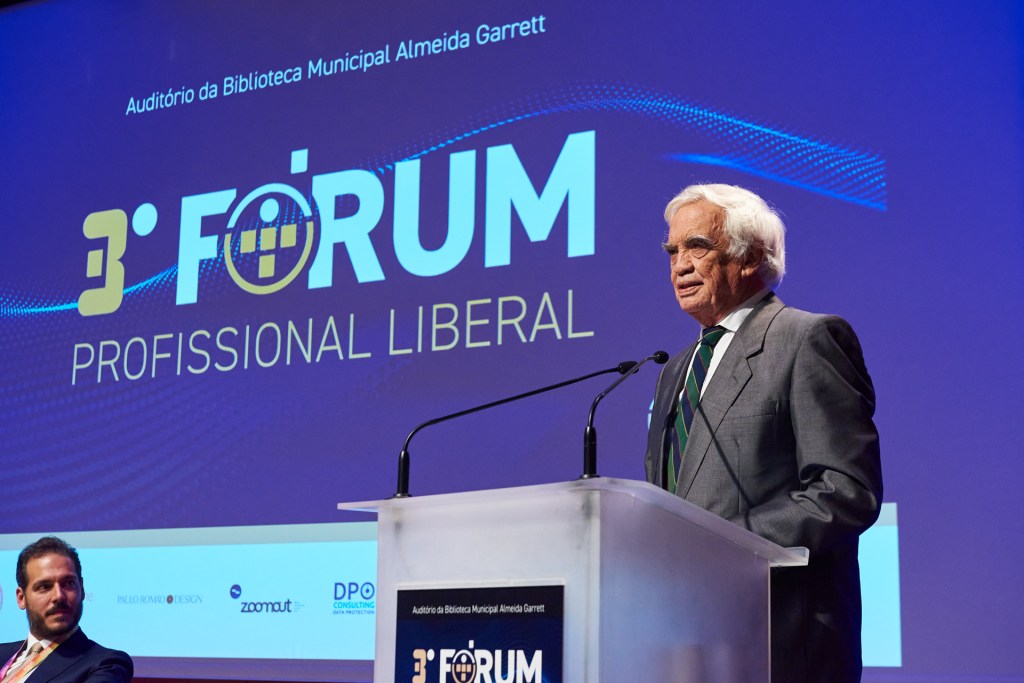
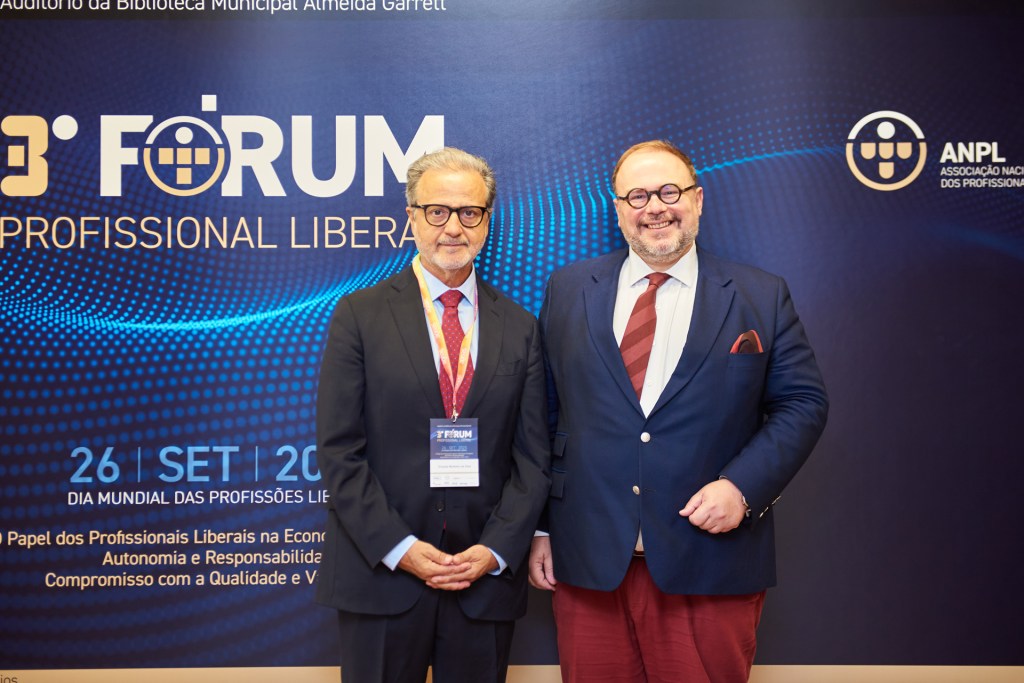
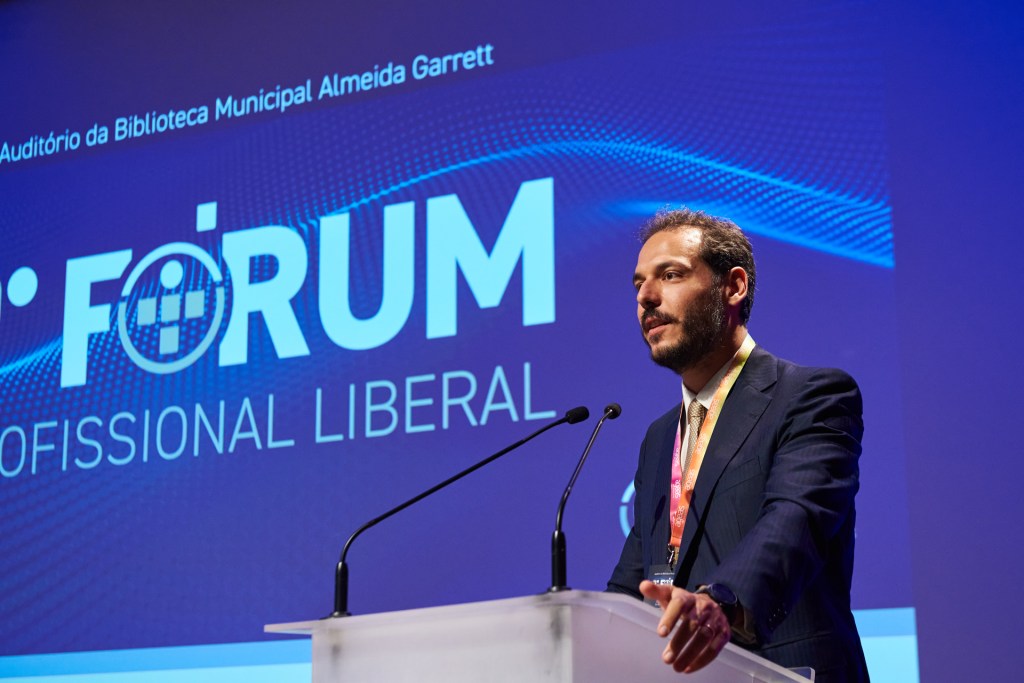
O Porto é uma cidade de tradições empreendedoras com inovação profissional e empresarial. Em consonância a Associação Nacional dos Profissionais Liberais, com o apoio da Câmara Municipal do Porto e da AGEAS Seguros, realizou no próximo dia 26 de setembro, o 3.º Fórum Profissional Liberal. Comemorou-se simultaneamente o Dia Mundial das Profissões Liberais
O Fórum Profissional Liberal contou com cinco perspetivas de cinco candidatos a Presidente da República portuguesa em cinco painéis distintos. Um deles será Presidente da República a eleger a 18 de janeiro de 2026.
Luís Marques Mendes, candidato presidencial.Henrique Gouveia e Melo, candidato presidencial.António José Seguro, candidato presidencial.João Cotrim Figueiredo, candidato presidencial.André Ventura.
No Fórum foram abordadas temáticas relevantes ao exercício dos profissionais liberais, em particular o seu Papel na Economia Portuguesa, o respeito pela sua Autonomia e Responsabilidade e o Compromisso com a Qualidade e Valor Social dos serviços prestados.
Carlos de Abreu Amorim, ministro dos Assuntos Parlamentares, presença institucional.Luís Pais Antunes, presidente do Conselho Económico e Social português.Diogo Pacheco de Amorim, vice-presidente da Assembleia da República.Theodoros Koutroubas, presidente do Conselho Europeu das Profissões Liberais.
A autonomia, a independência, a confiança, a autorregulação profissional, a qualificação, a mobilidade e reconhecimento de qualificações, a formação contínua, a inteligência artificial e seu impacto, o digital no geral, a transição digital, energética e climática são temas que nos são caros. Mas, estamos particularmente focados na proteção social e fiscalidade aplicáveis aos profissionais liberais.
Os números demonstram a relevância dos profissionais liberais em Portugal : representam mais de 20% do Valor Acrescentado Bruto nacional, 16% do emprego direto e quase 30% do investimento em investigação e desenvolvimento. Apesar disso, ainda não têm a representação plena que merecem.
Os dados sobre profissões e profissionais liberais não têm sido convenientemente estudados e partilhados na sociedade portuguesa pelas universidades, organizações e pelo próprio poder político.
Em termos macro, sobre a realidade portuguesa , excluindo o setor das artes e cultura, constitui-se o trabalho independente em,
21,7 % do VAB, Valor Acrescentado Bruto da economia,
16,5% do emprego direto,
26,3. % do tecido empresarial e
28,7 % do investimento empresarial em I&D, Investigação e Desenvolvimento.
Temos uma absoluta necessidade de efetuar mais estudos e caracterizar a realidade das profissões liberais em Portugal.
Sabemos que há cada vez há mais profissionais liberais e trabalhadores qualificados por conta própria.
Nos últimos cinco anos, o número de trabalhadores independentes em Portugal, com habilitações superiores, cresceu cerca de 40%.
Temos, segundo dados do ministério das finanças mais de 1 milhão e 300 mil de trabalhadores coletados como trabalhadores independentes.
Apesar disso raramente vemos os profissionais liberais , que constituem mais de metade deste número descritos ou considerados como trabalhadores com representação e defesa plena no espaço socioprofissional.
Portugal não pode desvalorizar continuadamente um tão alargado número de profissionais qualificados que assumem os riscos do autoemprego, do empreendedorismo, da incerteza e até da autonomia dentro das organizações.
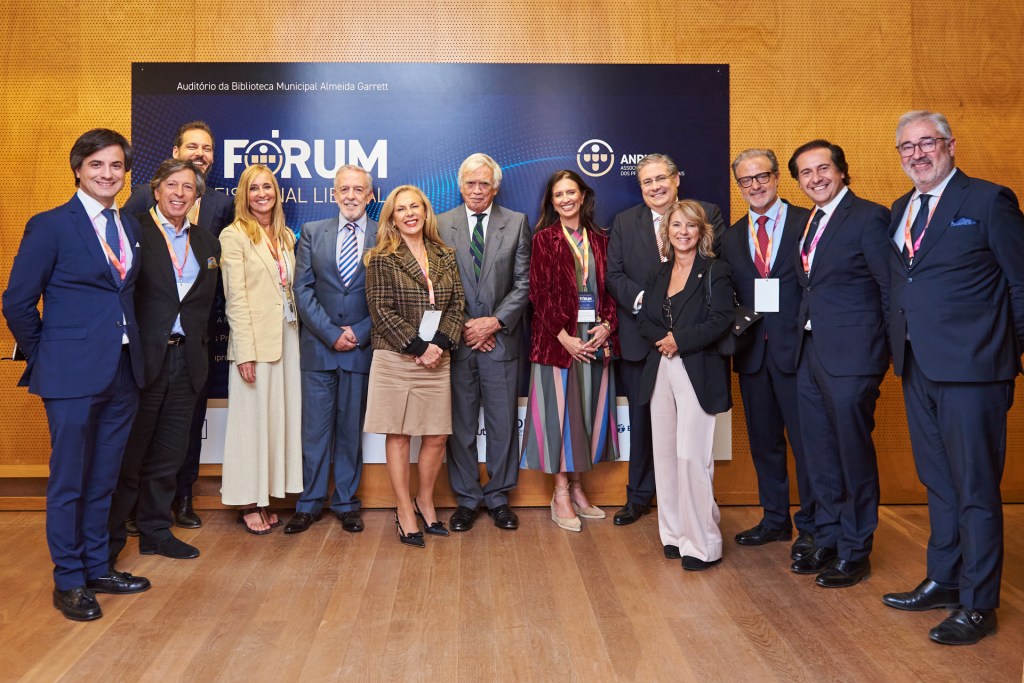
Foto de grupo no final do evento.Felicidades ao novo presidente da ANPL, João Ascenso, para o seu mandato.
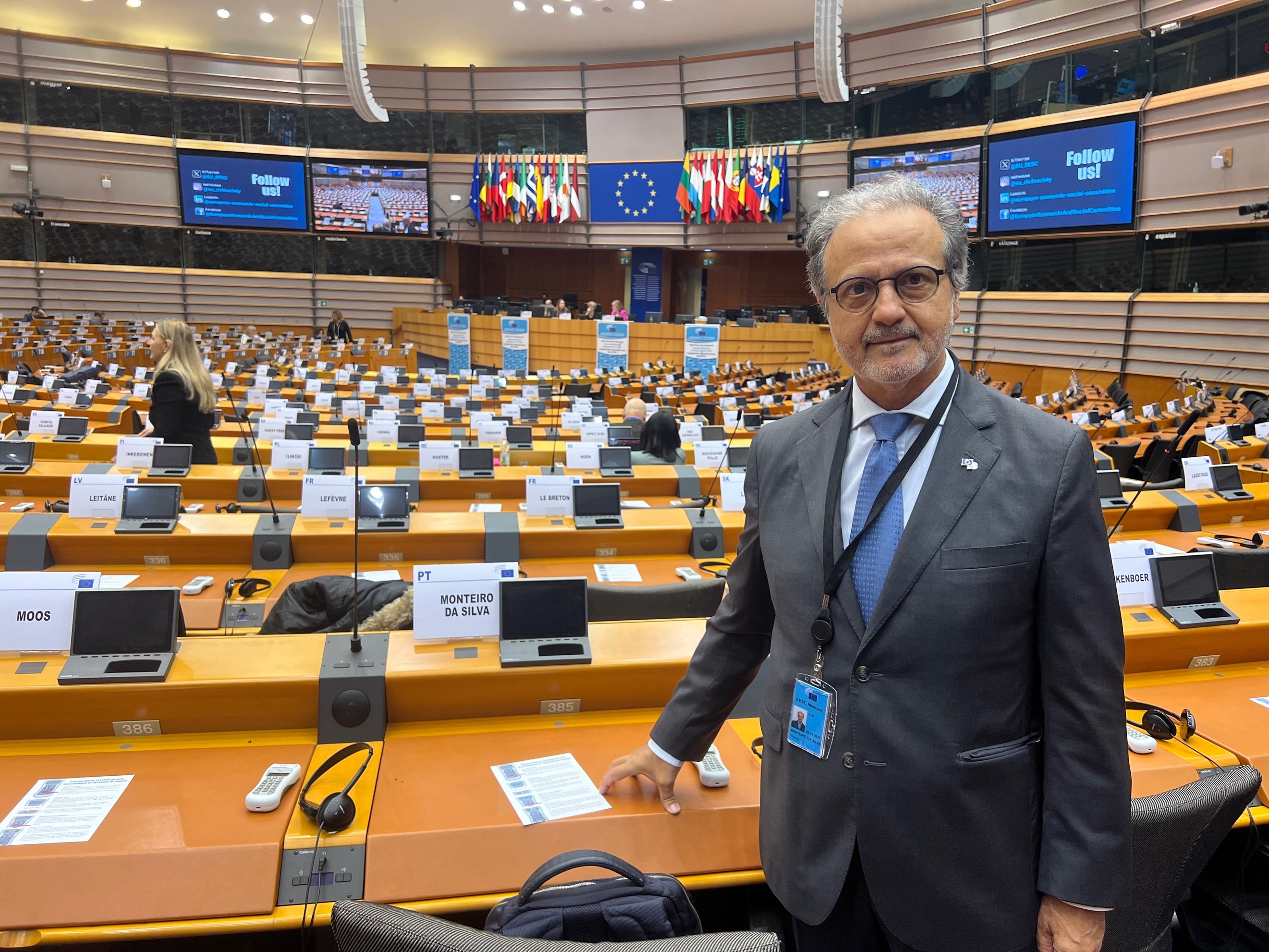
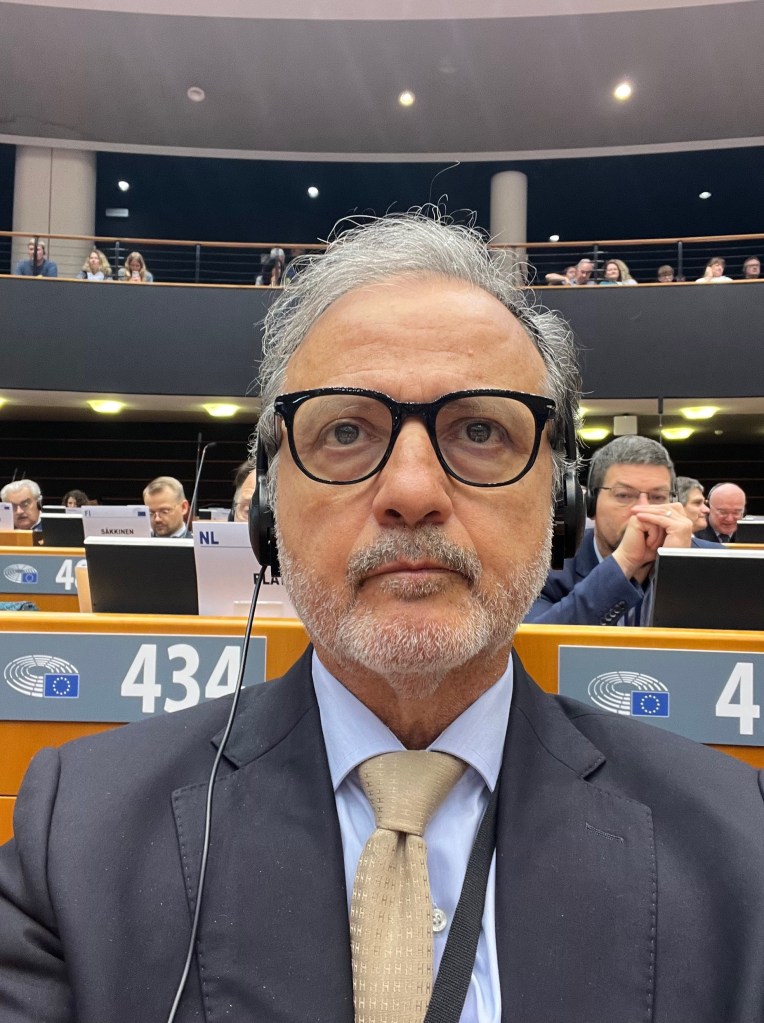
I took office at the Plenary Session of the (EESC), in Brussels, on 21, 22 and 23 last October, as a Member of the European Economic and Social Committee, Group III.
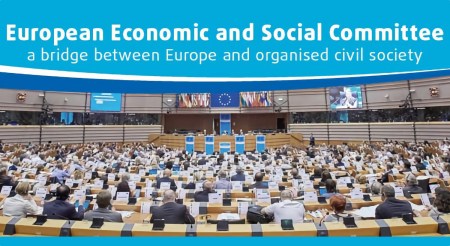
The European Economic and Social Committee is an advisory body created by the Treaty of Rome in 1957 to ensure that, through its opinions, the voices of economic and social actors are heard by the European institutions, thus taking part in the European Union’s decision-making process.
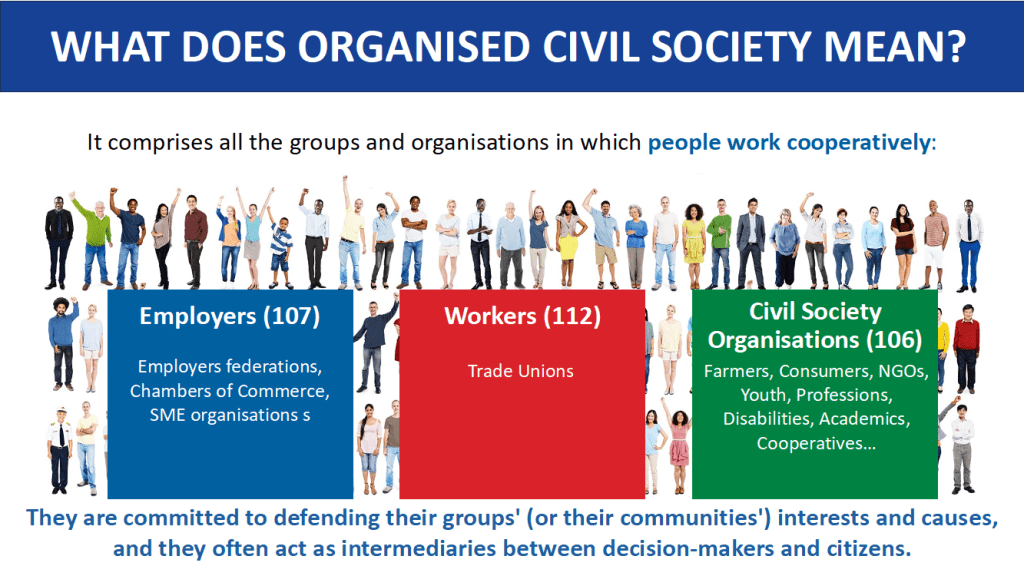
The EESC has 329 members, who are drawn from economic and social interest groups in Europe.
Members are nominated by national governments and appointed by the Council of the European Union for a renewable 5-year term of office. The latest renewal was in October 2020 for the 2020-2025 term of office.
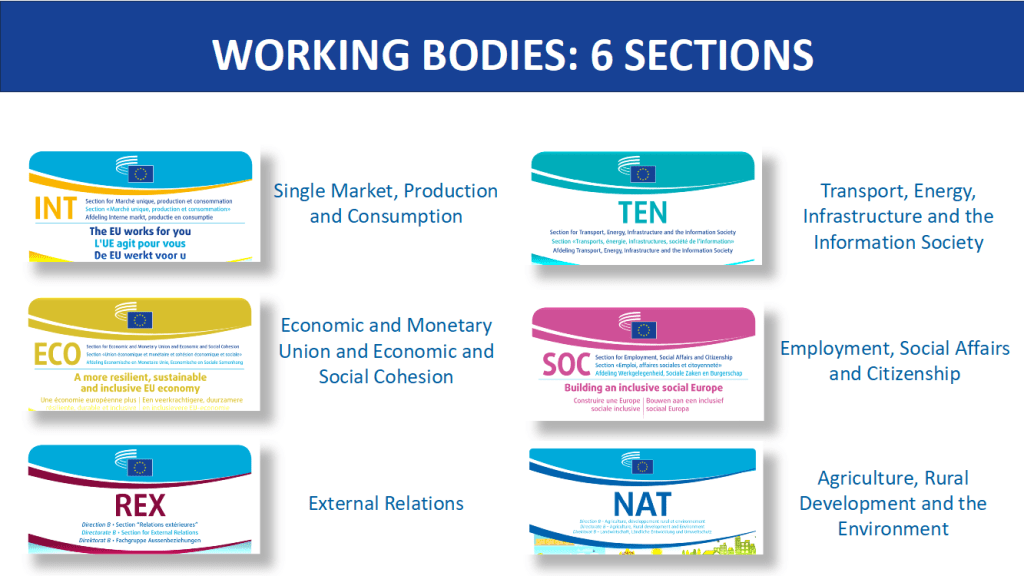
As a member of the Civil Society Organisations, Group III, I’ll be working directly on
Internal Market and the Single Market Enforcement Observatory
External Relations also included on the EU-Brazil Round Table.
Description as follows:
Internal Market
The Section for the Single Market, Production and Consumption (INT) of the European Economic and Social Committee is made up of 130 members and is responsible for drafting the EESC’s opinions on matters relating to the smooth operation and completion of the single market.
It deals with topics such as digitalisation and artificial intelligence, competition policy, industrial policy, financial services, small and medium-sized enterprises, the social economy, the circular economy, company law, consumer protection, research and innovation and the EU customs union.
On issues of particular importance to the Single Market, the section holds public hearings to consult the broadest possible range of civil society organisations.
Every year since 1999, it has also organised the flagship Committee event European Consumer Day.
The section also has a Digital Transition and Single Market Observatory to monitor developments in the Digital Single Market and propose ways to eliminate obstacles or make improvements to it.
Single Market Enforcement Observatory
The Observatory of the Digital Transition and the Single Market was set up with a view to providing the EESC with a flexible, horizontal structure enabling it to:
Analyse how the Digital Single Market operates;
Identify shortcomings and obstacles; and
Propose solutions.
The Observatory concentrates on the development of the EU Digital Single Market and covers, among other things, the activities of the EESC on the Digital Agenda, including policy initiatives related to Data, Cybersecurity, Research and Development (R&D) and market uptake of digital technologies.
External Relations
The EESC’s External Relations section (REX) is tasked with monitoring the EU’s external activities through a dialogue with civil society organisations from the non-EU countries and regions with which the EU has formal relations. The Section also actively follows the EU’s trade and development policies.
The main task of the EESC in the field of external relations is supporting the Eu- ropean Union’s activities through a dialogue with civil society organisations of non-EU countries and geographical groupings with which the EU has formal relations.
To do so, the EESC counts on the work of its External Relations Section (REX). Composed of 129 members, the REX section is led by a president, three vice- presidents and a bureau of 12 members.
EU-Brazil Round Table
Driven by the collaboration between the European Economic and Social Committee (EESC) and the Brazilian Economic and Social Development Council (CDES), the EU-Brazil Civil Society Round Table held eight meetings between 2009 and 2014.
Following the re-establishment of Brazil’s civil society advisory body in 2023 – now operating as the Sustainable Economic and Social Development Council of Brazil (CDESS) – and in accordance with the EESC-CDESS Memorandum of Understanding signed on 9 April 2024 in Brasília, as well as the Joint Statement issued by the President of the EESC and the Minister of Institutional Relations of Brazil on 10 April 2024, the EU-Brazil Civil Society Round Table has been officially reactivated.
The number of members per Member State is as follows:
France, Germany and Italy have 24 members each
Poland and Spain have 21
Romania has 15
Austria, Belgium, Bulgaria, the Czech Republic, Greece, Hungary, the Netherlands, Portugal and Sweden have 12
Croatia, Denmark, Finland, Ireland, Lithuania and Slovakia have 9
Latvia, Slovenia and Estonia have 7
Cyprus and Luxembourg have 6
Malta has 5
Portuguese Representatives
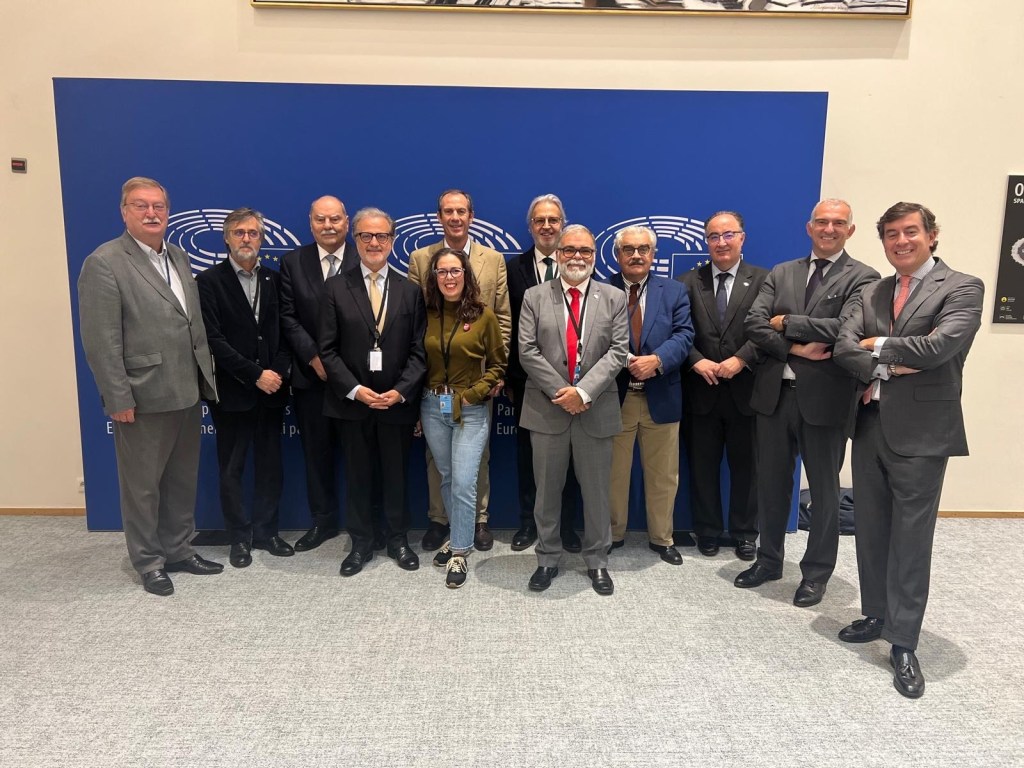
Among the members of the European Economic and Social Committee are 12 Portuguese representatives, who took office this Wednesday for a five-year term, in a ceremony held at the European Parliament in Brussels.
On the employers’ side (Group 1), the Portuguese representatives are Luís Mira (Confederation of Portuguese Farmers), Gonçalo Lobo Xavier (Portuguese Business Confederation), Paulo Barros Vale (Portuguese Tourism Confederation) and Vasco de Mello (Portuguese Confederation of Commerce and Services).
Representing workers (Group 2) are Carlos Silva and José Cordeiro (both from the General Union of Workers) and Carlos Trindade and Hélder Pires (both from the General Confederation of Portuguese Workers — National Inter-Union).
As representatives of civil society organisations (Group 3) are Francisco Silva (Portuguese Confederation of Social Economy), Nuno Serra (National Confederation of Agricultural and Agricultural Credit Cooperatives of Portugal), Orlando Monteiro da Silva (National Association of Liberal Professionals) and Inês Cardoso (League for the Protection of Nature).
I’ll be sharing my activities on social media and particularly in this blog.
It is with great responsibility and enthusiasm that I will take office at the forthcoming Plenary Session of the European Economic and Social Committee (EESC), on 21, 22 and 23 October, as a Member of the European Economic and Social Committee. I will propose my affiliation to Group III – Civil Society Organisations – with a particular focus on the liberal professions, upon nomination by the Portuguese Association of Liberal Professionals, for the 2025–2030 mandate.
The composition of the 12 Portuguese members is structured in accordance with the three groups: I – Employers, II – Workers, and III – Civil Society Organisations. The appointment of the Portuguese members falls under the direct responsibility of the Prime Minister, Luís Montenegro, upon proposal by the Minister for Labour, Solidarity and Social Security, Rosário Palma Ramalho.
The European Economic and Social Committee is a consultative body established by the Treaty of Rome in 1957 to allow, through its opinions, the voices of economic and social actors to be heard by the European institutions, and thus participate in the European Union’s decision-making process.
The Civil Society Organisations’ Group is one of the three groups that make up the EESC. Group III is made up of representatives and stakeholders of civil society, particularly in the economic, civic, professional and cultural field.
É com enorme responsabilidade e entusiamo que tomarei posse em na Sessão Plenária do Comité Económico e Social Europeu (CESE) de 21 , 22 e 23 de outubro próximo como Membro do Comité Económico e Social Europeu, sugerindo a minha afiliação no Grupo III, Sociedade Civil, com interesse especial nas profissões liberais, por indicação da Associação Nacional dos Profissionais Liberais, para o mandato de 2025/30.
A composição dos 12 membros de Portugal estrutura-se de acordo com os três grupos: I – Empregadores, II – Trabalhadores e III – Organizações da Sociedade Civil.
A nomeação dos membros portugueses é da competência direta do Primeiro-Ministro, Luís Montenegro, por proposta da Ministra do Trabalho, Solidariedade e Segurança Social, Rosário Palma Ramalho.
O Comité Económico e Social Europeu é um órgão consultivo criado pelo Tratado de Roma, em 1957, para permitir que, através dos seus pareceres, as vozes dos atores económicos e sociais sejam ouvidas pelas instituições europeias, participando assim no processo de tomada de decisão da União Europeia.
O Grupo das Organizações da Sociedade Civil é um dos três grupos que compõem o CESE. O Grupo III é constituído por representantes e partes interessadas da sociedade civil, em particular nos domínios económico, cívico, profissional e cultural.
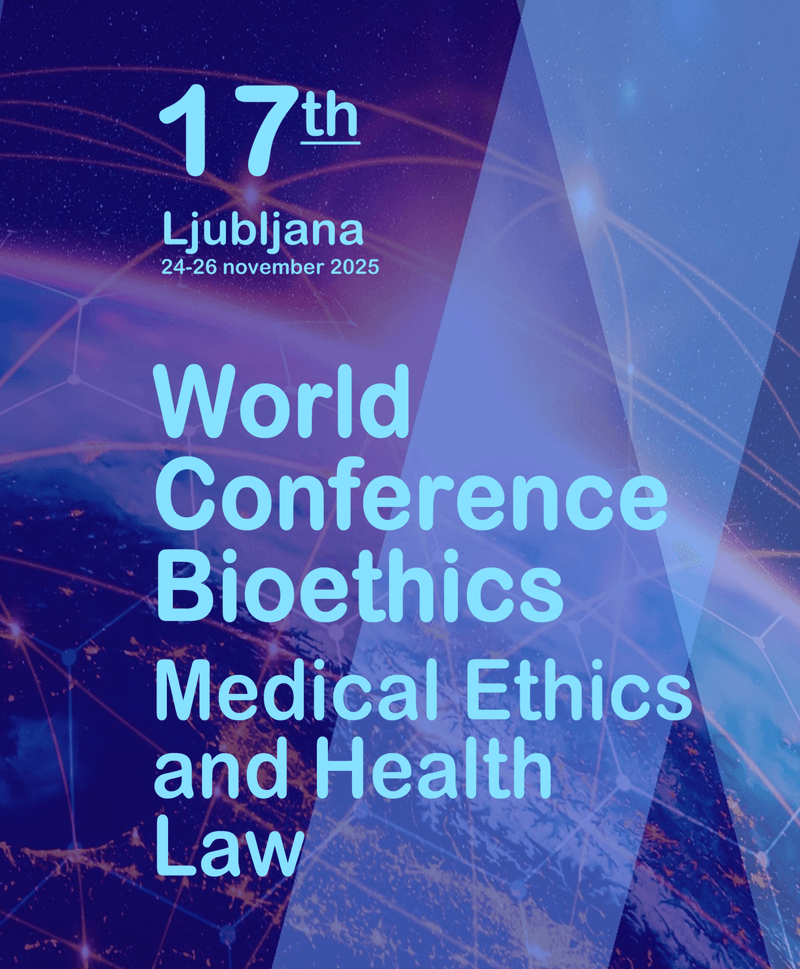
I am pleased to share that I will be presenting at the 17th World Conference on Bioethics, Medical Ethics and Health Law, to be held in Ljubljana, Slovenia, in November 2025.
My presentation, titled “Liberal Health Professions in the European Union: Ethics, Concepts, and the Call for Harmonization”, will explore the defining characteristics of liberal health professions (LHP) in the EU, focusing on their ethical foundations, the role of self-regulation, challenges arising from fragmented definitions and regulatory frameworks.
It highlights how such fragmentation affects professional identity, public trust, and socio-economic competitiveness.
Num tempo em que os recursos na saúde são cada vez mais limitados, a eficiência deve deixar de ser vista apenas como um conceito económico e passar a ser assumida também como um valor ético essencial na prática médica. Durante demasiado tempo, este princípio foi desvalorizado pelas profissões liberais médicas, habituadas a pensar sobretudo em termos de autonomia técnica e do cuidado individual. No entanto, a realidade dos sistemas de saúde exige uma mudança de paradigma.
De acordo com a OCDE, eficiência significa obter os melhores resultados possíveis com os recursos disponíveis. Na saúde, isso pode passar por duas vias: reorganizar a forma como os recursos são distribuídos (eficiência alocativa) ou alcançar os mesmos resultados com menor custo (eficiência produtiva). Em qualquer dos casos, está em causa a sustentabilidade do sistema e a justiça na sua gestão.
Nenhum país do mundo, independentemente da sua riqueza, consegue financiar todos os cuidados de saúde para todas as pessoas, em todas as circunstâncias. Torna-se, por isso, necessário definir, de forma transparente e participada, quais os cuidados básicos que a sociedade pode assegurar publicamente a todos os cidadãos. Este exercício envolve escolhas éticas difíceis — e é aí que a eficiência entra como critério de justiça.
As profissões liberais médicas têm um papel único neste processo. Pelo seu conhecimento especializado, pela responsabilidade individual que assumem, pela autonomia técnica e pelos códigos éticos a que obedecem, são um pilar fundamental na confiança que sustenta o sistema de saúde. Mas essa posição exige também um compromisso renovado com a responsabilidade social e com a gestão sensata dos recursos.
A compatibilização entre a tradição humanista da medicina e os desafios contemporâneos — nomeadamente a sustentabilidade e a equidade no acesso — obriga à inclusão da eficiência como valor ético na prática clínica. Isso não significa tratar a saúde como uma fábrica de números, mas sim garantir que cada decisão clínica respeita a dignidade dos doentes e, ao mesmo tempo, contribui para a proteção de um bem comum: o sistema de saúde de todos.
A ética do cuidado e a ética da eficiência não são opostas. São, na verdade, complementares. Ambas colocam o doente no centro, mas com a consciência de que cuidar bem de um é, também, não esquecer todos os outros.
Orlando Monteiro da Silva
Presidente da Assembleia Geral da Associação Nacional dos Profissionais Liberais e antigo bastonário da Ordem dos Médicos Dentistas.
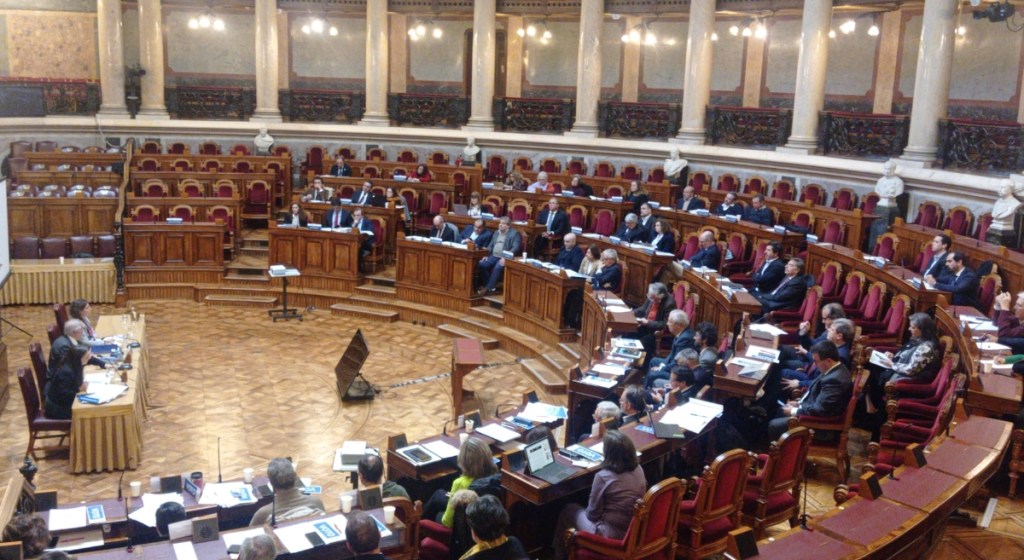
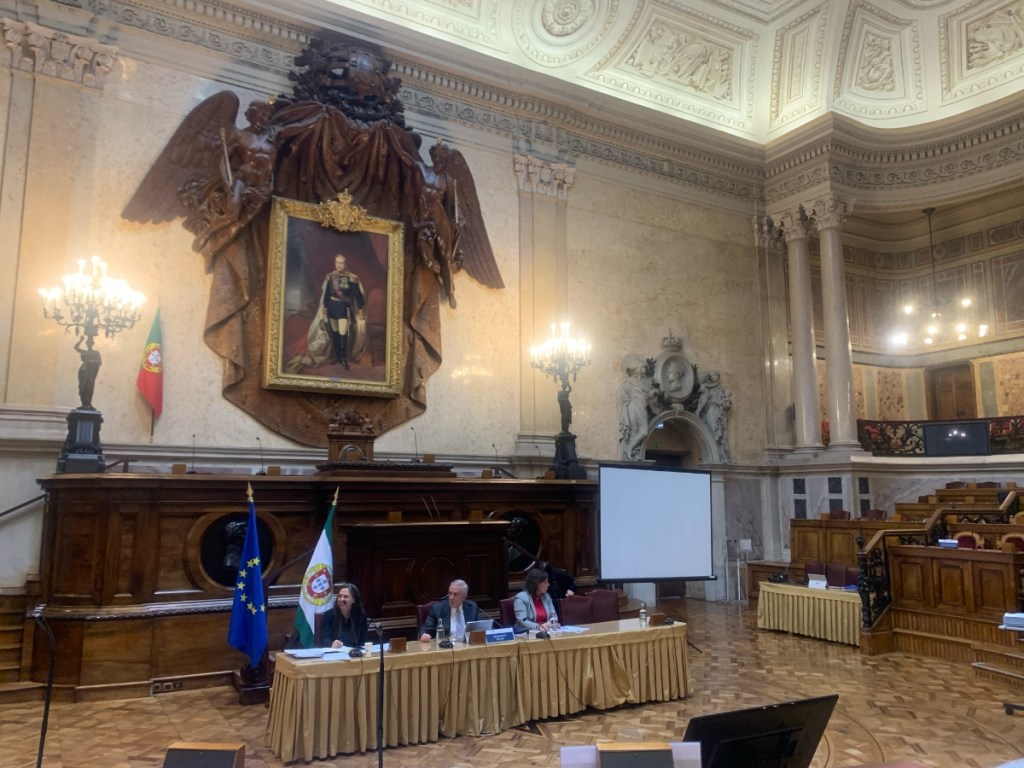
I have taken office as a Counselor in the Senate Room of the Assembly of the Republic, representing Liberal Professions (Self- Employed, Freelancers and Independent Workers)
The role of the Economic and Social Council and the civil society it represents essential in promoting a social and cultural shift in the way governments and legislators perceive liberal professionals and their businesses. I am fully committed to collaborating with CES in promoting and implementing broad, profound, and structural changes that will shape the future of liberal professions and professionals.
I will represent the National Association of Liberal Professionals (ANPL) in the category of organizations representing liberal professions. The following reflection outlines the reasons for this nomination:
ANPL was established in 2021 and was publicly and symbolically presented on May 1st of that year, highlighting some of the main challenges faced by liberal professionals.
ANPL was founded by a group of liberal professionals to add value, defend, and promote liberal professions, recognizing the need for these professionals to be properly heard, acknowledged, and valued. Only in this way can we help prevent the departure of many of the most qualified professionals from our country, the proletarization of these professions, the resulting financial anxiety, the diminishing recognition of their importance, and the inevitable decline in the quality of services provided to the market, businesses, and individual consumers.
We advocate and promote the principles and values adopted by liberal professionals, including the defense of life, autonomy, independence, trust, professional self-regulation, and professional secrecy, among others.
Some challenges are particularly relevant for liberal professionals, such as mobility and recognition of qualifications, continuous training, artificial intelligence and its impact, digital transformation, and energy and climate transition.
In Portugal, we are particularly focused on social protection and taxation applicable to liberal professionals.
A significant portion of the challenges and problems affecting liberal professionals relate to labor activities and the regulation of their economic and professional relationships, such as contracting modalities, wage issues, or fees.
Additionally, other crucial issues include ensuring fairness in taxation, especially for independent liberal professionals, as well as social protection, unemployment and underemployment, parental support, retirement and pensions, and access to continuous training.
Fragmentation of Liberal Professionals
There are many types of liberal professionals. Some work independently as freelancers, as they are called in some countries. Others lead or are part of teams. Some take a more entrepreneurial approach, forming sole proprietorships, limited liability companies, or working with larger teams, often employing dozens of other liberal professionals. Others work under employment contracts while still maintaining the responsibilities and autonomy inherent to their profession, which should be protected. Some professionals even have multiple occupations that are not directly related to their main profession.
Therefore, the world of liberal professions is fragmented, heterogeneous, and complex and needs to be analyzed, studied, and better understood.
Characterizing the Liberal Professions Sector
Data on liberal professions and professionals have not been adequately studied or shared in Europe and in Portuguese society by universities, organizations, or even political authorities.
We believe it is important to improve literacy in this sector, identify best practices, particularly in Europe, and highlight key statistics regarding liberal professions. We aim to identify the barriers that national and international liberal professionals face in their careers. Many of them are highly qualified young people that Portugal and other countries are turning their backs on, while older professionals are often discarded, left to face a difficult and undignified retirement.
For instance, according to the European Economic and Social Committee (EESC), about 22% of workers in Europe are engaged in liberal professions.
Regarding the Portuguese economy, excluding the arts and culture sector to allow comparison with neighboring countries, liberal professions contribute:
21.7% of Gross Value Added (GVA)
16.5% of direct employment
26.3% of business fabric
28.7% of corporate investment in R&D (Research & Development)
We have an urgent need to conduct more studies and properly characterize the reality of liberal professions in Portugal.
We also know that the number of self-employed professionals with higher education has increased by around 40% over the past five years in Portugal.
According to data from the Portuguese Ministry of Finance, there are over 1 million registered self-employed professionals in the country.
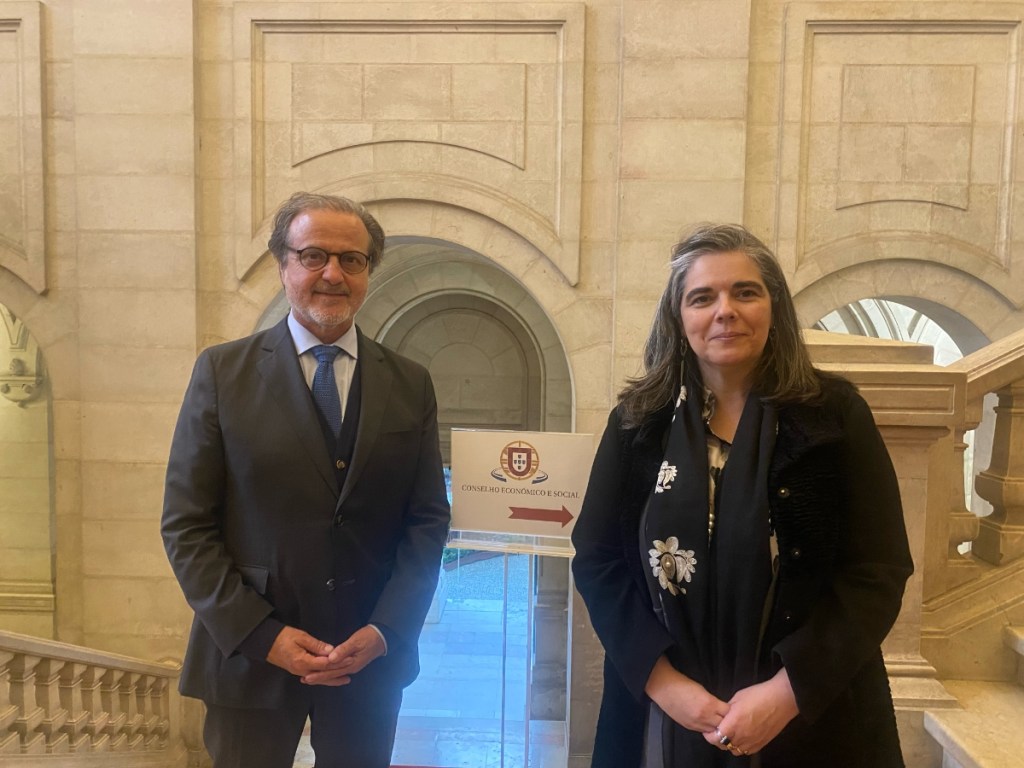
Orlando Monteiro da Silva, President of the Board of Directors of ANPL (Portuguese Association of Liberal Professionals), and Carla Castro, President of the Advisory Council of ANPL.
The Lack of Recognition for Liberal Professionals in Portugal
Despite exceeding 1 million professionals, liberal professionals in Portugal rarely receive proper representation or full defense in the socio-professional landscape. As I mentioned, physically, we exist—but beyond that, we are merely tolerated.
Portugal cannot continue to undervalue such a large number of qualified professionals who often take on the risks of self-employment, entrepreneurship, and the investment in education and innovation—all of which benefit businesses of all sizes, social institutions, and the State.
At ANPL, as an interprofessional association, we define liberal professionals as workers with intellectual qualifications, including artistic and cultural professions, who uphold responsibility, autonomy, and independence in the best interest of consumers and society as a whole.
This definition is broad yet focused, accommodating not only classical self-regulated liberal professions (self-regulated by professional orders) and those regulated directly by the Portuguese State or private associations, but also a wide range of other professions, such as:
Data Protection Officers, Data Analysts, Financial and Strategy Consultants, IT Professionals, Instructors, Chefs, Coaches, Designers, Journalists, Musicians and Theater Directors, Teachers, Writers and Gallery Owners, Specialized Translators and Antiquarians…And many other emerging professions.
There are those who want to eliminate this form of work, transforming liberal professionals into employees—but we want to remain liberal professionals.
We are willing to take on the risks of self-employment, entrepreneurship, uncertainty, and even autonomy within organizations. However, we need to be properly recognized and supported through a Legal Statute that ensures fair treatment for our profession compared to other forms of work.
The purpose of ANPL is to engage with liberal professionals and civil society and to put some of the key issues on the table—issues that will determine the future of this profession and how public authorities, policymakers, regulators, and society at large perceive it.
Liberal professionals want to move away from outdated corporatism and elitism. They seek to establish common values across professions and correct the current situation in Portugal, where they lack full representation and protection in terms of economic rights, taxation, and social security.
Organizations and businesses must also do their part—not only in terms of governance, inclusion, sustainability, and conflict of interest management, but also in upholding the ethics of our professions.
Finally, citizens have the right to know whether the organizations and businesses (public, private, or social) where liberal professionals work comply with corporate codes of conduct and professional ethics.
We need European and national policymakers to reduce bureaucracy in our professions. We cannot be choked by blind rules and excessive regulations.
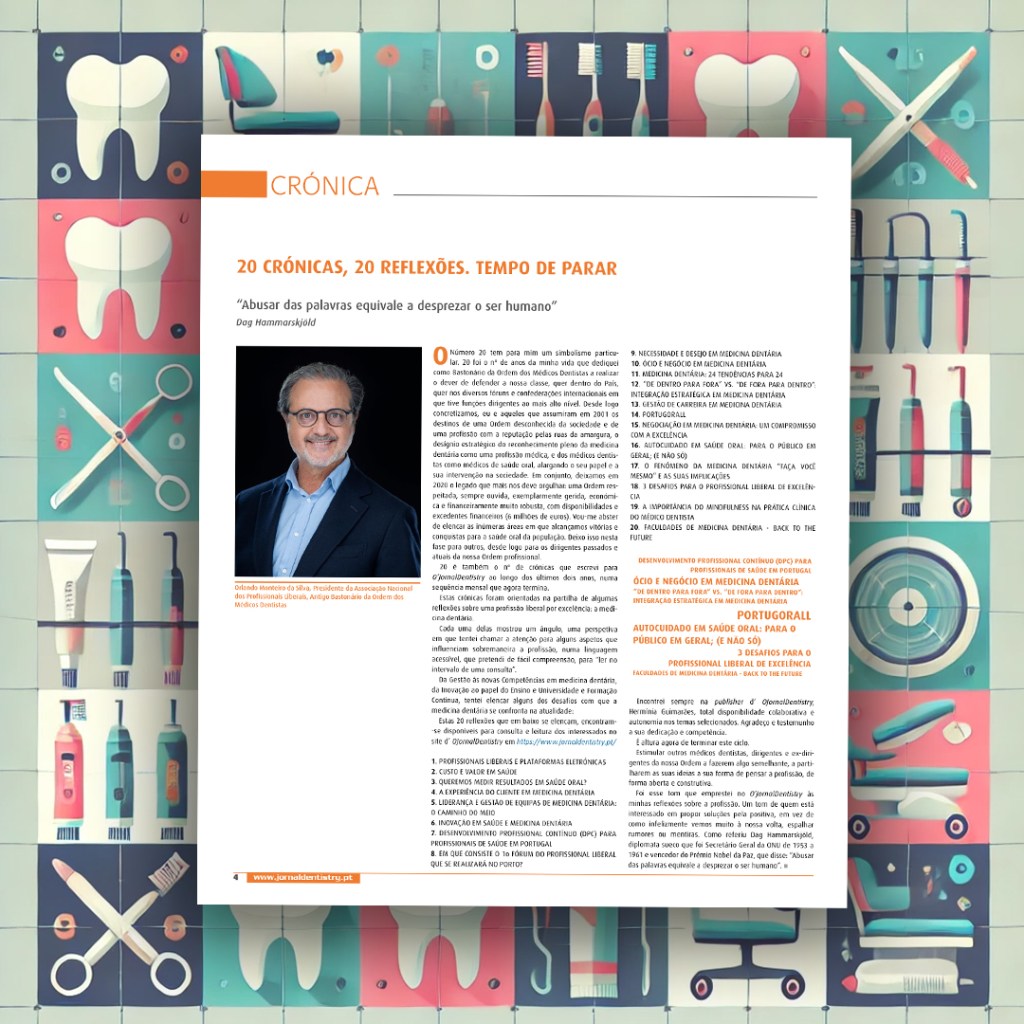
Número 20 tem para mim um simbolismo particular. 20 foi o nº de anos da minha vida que dediquei como Bastonário da Ordem dos Médicos Dentistas a realizar o dever de defender a nossa classe, quer dentro do País, quer nos diversos fóruns e confederações internacionais em que tive funções dirigentes ao mais alto nível.
Desde logo concretizamos, eu e aqueles que assumiram em 2001 os destinos de uma Ordem desconhecida da sociedade e de uma profissão com a reputação pelas ruas da amargura, o desígnio estratégico do reconhecimento pleno da medicina dentária como uma profissão médica, e dos médicos dentistas como médicos de saúde oral, alargando o seu papel e a sua intervenção na sociedade.
Em conjunto, deixamos em 2020 o legado que mais nos deve orgulhar: uma Ordem respeitada, sempre ouvida, exemplarmente gerida, económica e financeiramente muito robusta, com disponibilidades e excedentes financeiros (6 milhões de euros).
Vou-me abster de elencar as inúmeras áreas em que alcançamos vitórias e conquistas para a saúde oral da população. Deixo isso nesta fase para outros, desde logo para os dirigentes passados e atuais da nossa Ordem profissional.
20 é também o nº de crónicas que escrevi para O’JornalDentistry ao longo dos últimos dois anos, numa sequência mensal que agora termina.
Estas crónicas foram orientadas na partilha de algumas reflexões sobre uma profissão liberal por excelência: a medicina dentária.
Cada uma delas mostrou um ângulo, uma perspetiva em que tentei chamar a atenção para alguns aspetos que influenciam sobremaneira a profissão, numa linguagem acessível, que pretendi de fácil compreensão, para “ler no intervalo de uma consulta”.
Da Gestão às novas Competências em medicina dentária, da Inovação ao papel do Ensino e Universidade e Formação Contínua, tentei elencar alguns dos desafios com que a medicina dentária se confronta na atualidade:
Estas 20 reflexões que em baixo se elencam, encontram-se disponíveis para consulta e leitura dos interessados no site d’ OJornalDentistry em https://www.jornaldentistry.pt/.
Encontrei sempre na publisher d’ OJornalDentistry, Hermínia Guimarães, total disponibilidade colaborativa e autonomia nos temas selecionados. Agradeço e testemunho a sua dedicação e competência.
É altura agora de terminar este ciclo.
Estimular outros médicos dentistas, dirigentes e ex-dirigentes da nossa Ordem a fazerem algo semelhante, a partilharem as suas ideias a sua forma de pensar a profissão, de forma aberta e construtiva.
Foi esse tom que emprestei no O’JornalDentistry às minhas reflexões sobre a profissão. Um tom de quem está interessado em propor soluções pela positiva, em vez de como infelizmente vemos muito à nossa volta, espalhar rumores ou mentiras.
Como referiu Dag Hammarskjöld, diplomata sueco que foi Secretário Geral da ONU de 1953 a 1961 e vencedor do Prémio Nobel da Paz, que disse: “Abusar das palavras equivale a desprezar o ser humano”.
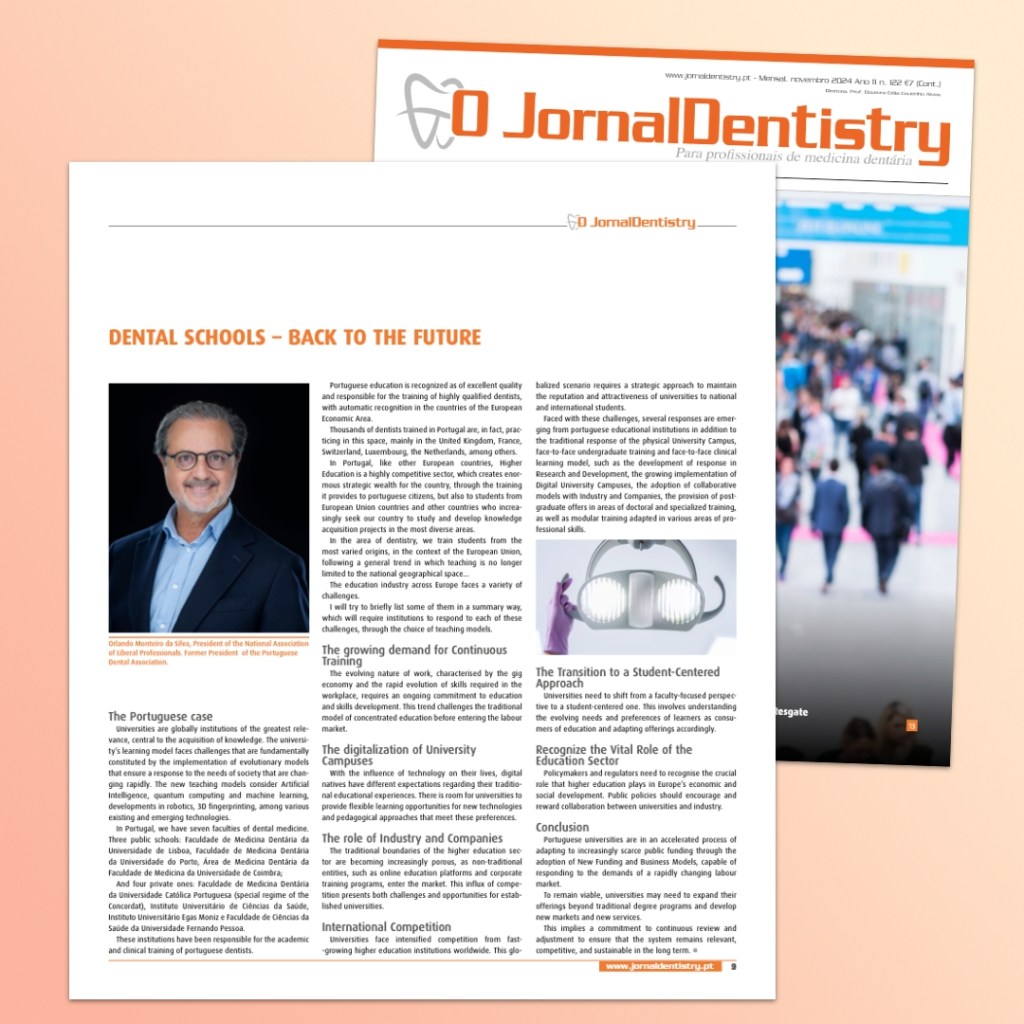
You can read the full article, in Portuguese or English, in the Portuguese monthly edition of Dentistry magazine:
O artigo está disponível na integra, em português e inglês, tal como foi publicado no O’JornalDentistry:
Universities are globally institutions of the greatest relevance, central to the acquisition of knowledge. The university’s learning model faces challenges that are fundamentally constituted by the implementation of evolutionary models that ensure a response to the needs of society that are changing rapidly. The new teaching models consider Artificial Intelligence, quantum computing and machine learning, developments in robotics, 3D fingerprinting, among various existing and emerging technologies.
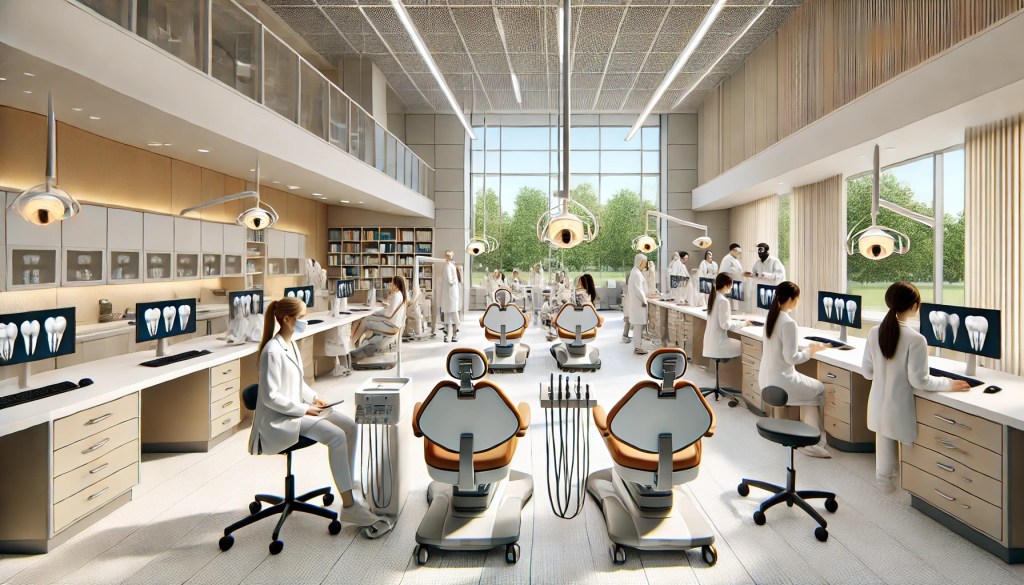
In Portugal, we have seven faculties of dental medicine. Three public schools: Faculdade de Medicina Dentária da Universidade de Lisboa, Faculdade de Medicina Dentária da Universidade do Porto, Área de Medicina Dentária da Faculdade de Medicina da Universidade de Coimbra;
And four private ones: Faculdade de Medicina Dentária da Universidade Católica Portuguesa (special regime of the Concordat), Instituto Universitário de Ciências da Saúde, Instituto Universitário Egas Moniz e Faculdade de Ciências da Saúde da Universidade Fernando Pessoa.
These institutions have been responsible for the academic and clinical training of portuguese dentists.
Portuguese education is recognized as of excellent quality and responsible for the training of highly qualified dentists, with automatic recognition in the countries of the European Economic Area.
Thousands of dentists trained in Portugal are, in fact, practicing in this space, mainly in the United Kingdom, France, Switzerland, Luxembourg, the Netherlands, among others.
In Portugal, like other European countries, Higher Education is a highly competitive sector, which creates enormous strategic wealth for the country, through the training it provides to portuguese citizens, but also to students from European Union countries and other countries who increasingly seek our country to study and develop knowledge acquisition projects in the most diverse areas.
In the area of dentistry, we train students from the most varied origins, in the context of the European Union, following a general trend in which teaching is no longer limited to the national geographical space…
The education industry across Europe faces a variety of challenges.
I will try to briefly list some of them in a summary way, which will require institutions to respond to each of these challenges, through the choice of teaching models.
The growing demand for Continuous Training
The evolving nature of work, characterised by the gig economy and the rapid evolution of skills required in the workplace, requires an ongoing commitment to education and skills development. This trend challenges the traditional model of concentrated education before entering the labour market.
The digitalization of University Campuses
With the influence of technology on their lives, digital natives have different expectations regarding their traditional educational experiences. There is room for universities to provide flexible learning opportunities for new technologies and pedagogical approaches that meet these preferences.
The role of Industry and Companies
The traditional boundaries of the higher education sector are becoming increasingly porous, as non-traditional entities, such as online education platforms and corporate training programs, enter the market. This influx of competition presents both challenges and opportunities for established universities.
International Competition
Universities face intensified competition from fastgrowing higher education institutions worldwide. This globalized scenario requires a strategic approach to maintain the reputation and attractiveness of universities to national and international students.
Faced with these challenges, several responses are emerging from Portuguese educational institutions in addition to the traditional response of the physical University Campus, face-to-face undergraduate training and face-to-face clinical learning model, such as the development of response in Research and Development, the growing implementation of Digital University Campuses, the adoption of collaborative models with Industry and Companies, the provision of postgraduate offers in areas of doctoral and specialized training, as well as modular training adapted in various areas of professional skills.
The Transition to a Student-Centered Approach
Universities need to shift from a faculty-focused perspective to a student-centered one. This involves understanding the evolving needs and preferences of learners as consumers of education and adapting offerings accordingly.
Recognize the Vital Role of the Education Sector
Policymakers and regulators need to recognise the crucial role that higher education plays in Europe’s economic and social development. Public policies should encourage and reward collaboration between universities and industry.
Conclusion
Portuguese universities are in an accelerated process of adapting to increasingly scarce public funding through the adoption of New Funding and Business Models, capable of responding to the demands of a rapidly changing labour market.
To remain viable, universities may need to expand their offerings beyond traditional degree programs and develop new markets and new services.
This implies a commitment to continuous review and adjustment to ensure that the system remains relevant, competitive, and sustainable in the long term.
You can read the full article, in Portuguese or English, in the Portuguese monthly edition of Dentistry magazine:
Oral Physician, Médico Dentista Health and Regulation Consultant Member of European Economic and Social Committee – Civil Society Organizations (Group III) President of the General Assembly -Portuguese Association of Liberal Professionals Member of the Economic and Social Council of Portugal representing the liberal professions Student PhD Course in Bioethics at the Faculty of Medicine, University of Porto


 Posted by Orlando Monteiro da Silva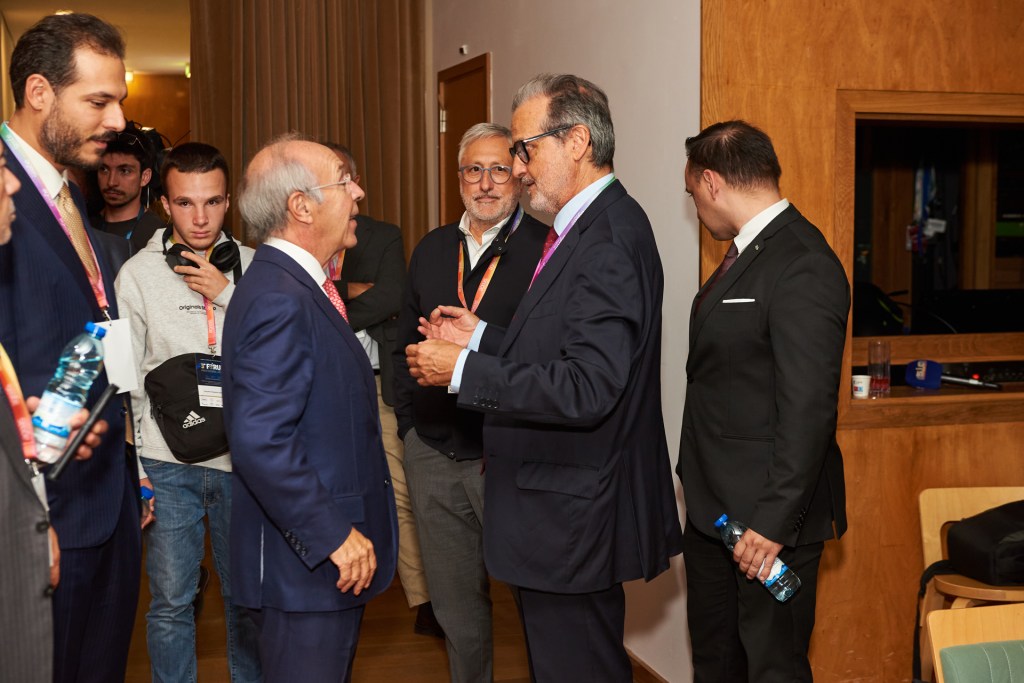
 Orlando Monteiro da Silva