World Cancer Day – 4 February 2011

February 4, 2011

Cancer is a leading cause of death around the world. WHO estimates that 84 million people will die of cancer between 2005 and 2015 without intervention.

Each year on 4 February, WHO supports International Union Against Cancer to promote ways to ease the global burden of cancer. Preventing cancer and raising quality of life for cancer patients are recurring themes. Please read today’s WHO/Europe press-release about this subject: WHO stresses importance of physical activity for cancer prevention.

Here you can read the statement from FDI – World Dental Federation about Oral cancer (PDF).

Hereby the “take” from LUSA, Portuguese National News Agency, signed by journalist Sílvia Maio:

The President of the Portuguese Dental Association, Orlando Monteiro da Silva, has admitted that many dentists in the private sector have to use their “connections” in the National Health System, so that their patients with oral cancer can get adequate treatment before it is too late.

“As a clinician, I can confirm that these patients find it extremely difficult to get an appointment through the NHS, as there are no mechanisms for direct referral from private dental clinics to public hospitals or oncology hospitals”, has complained Orlando Monteiro da Silva, adding that, in Portugal, “dentistry can almost exclusively be found in the private sector”.

Most cases of oral cancer are detected in private dental clinics and many tumours are identified when the disease is at an advanced stage. The process from there is usually a complex one.

According to Orlando Monteiro da Silva, “more than half the patients whose cancers are diagnosed at an advanced stage do not reach a five-year survival rate”. Thus, when the priority is the patient’s immediate referral to the NHS, “things do not work as they should”, he adds.

When finding suspicious lesions, dentists “find it very difficult to refer patients through the appropriate channels”, due to the lack of a referral network. Although it is the Oncology and Central Hospitals which must actually receive them, “these patients have first to get an appointment at their local healthcare centres to get a document that allows them to be included in a weeks- or months-long waiting list before they are seen by a specialist”, explains Monteiro da Silva.
“Sometimes, in more urgent situations, we use our personal connections in order to go around the red tape and make sure that our patients are adequately treated in an oncology institution”, he acknowledges.

In spite of this bleak scenario, the president of the PDA believes that the situation will begin to change this year: “the Health Director-General has committed himself to the creation of a referral network from private dentists to oncology and central hospitals, so that a satisfactory solution may be found”. In fact, he recalls that during a conference held in November 2010, Francisco George, head of the Health Directorate-General, promised that efforts will be made this year to “speed up patients’ referral processes and increase the quantity and the quality of dentists working in the National Health System”.

Another promise made by the Health Director-General involves the implementation of self-examination campaigns among the general population. As explained by Monteiro da Silva, early detection of oral cancer is crucial and “it only takes looking at our own mouths in front of a mirror to do it”.

According to Daniel de Sousa, Chief of Head and Neck Surgery in the Lisbon Oncology Hospital, 1,500 new cases of oral cancer are detected each year – 1,200 in men and 300 in women. This specialist has also added that oral cancer is “the fifth most frequent form of cancer” in Portugal.

The data provided by the Portuguese Association Against Cancer, in the ambit of the World Cancer Day marked today, shows that in 2010 cancer killed 30 thousand people in Portugal, accounting for a 20-per-cent increase when compared with the previous year.

Lisbon, 4 Feb. 2011
Unofficial translations from Portuguese


United Nations Environment Programme

January 31, 2011

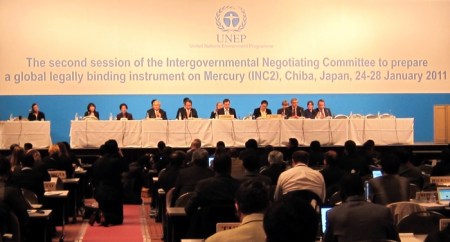
Last week, took place the second session of the intergovernmental negotiating committee to prepare a global legally binding instrument on mercury, at the Makuhari Messe Conference Centre in Chiba, Japan.

Second session of the Intergovernmental Negotiating Commmittee to prepare a global legally binding instrument on Mercury (INC2), Chiba, Japan, 24-28 January 2011

Second session of the Intergovernmental Negotiating Commmittee to prepare a global legally binding instrument on Mercury (INC2), Chiba, Japan, 24-28 January 2011

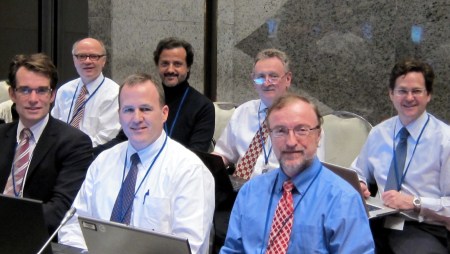
I was there representing FDI World Dental Federation, leading the delegation. FDI had a substantial representation as well as ADA, IADR, among others organizations. Presences:  Dr Julian Fisher, Dr Stuart Johnston, Dr Masaki Kambara, Dr Peter Cooney, Dr Dan Meyer, Dr. Jerome Bowman, Dr. Christopher Fox and Dr. Kenneth Anusavice. I specially acknowledge the role of Dr. Julian Fisher dealing with all the aspects of this important summit.

FDI’s presence was very important to ensure that the issues concerning dental amalgam are properly represented in this discussions regarding mercury.

UNEP

This session was more detailed than the first one on the mercury instrument, bringing positive points and scientific appointments. Several Governments also provided additional information to contribute to the documents for discussion.

UNEP

UNEP


Visit to the GC Corporate Center

January 30, 2011


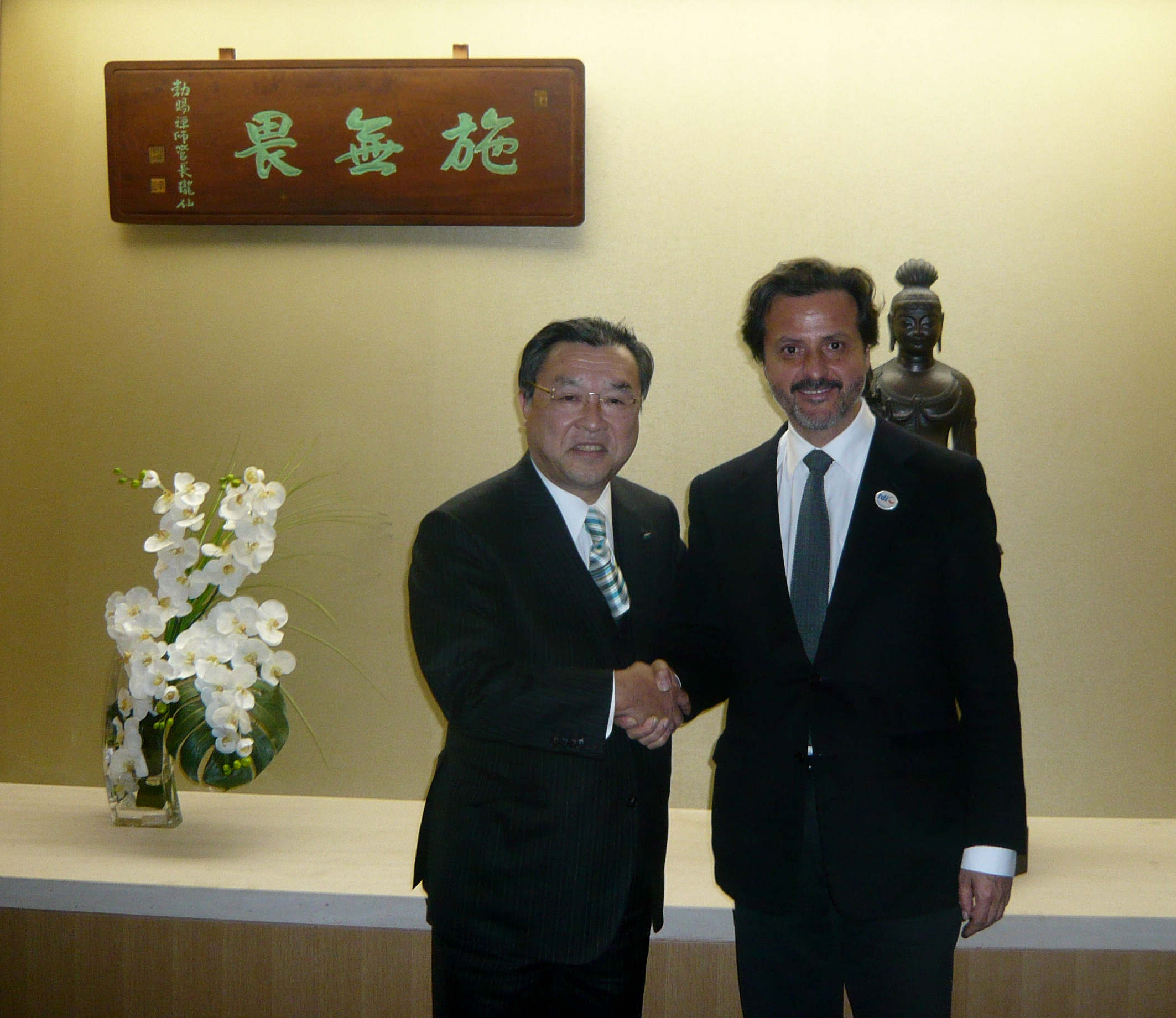
Visit to the GC Corporate Center on January 27th in Tokyo. In this picture with GC President and CEO Makoto Nakao.


Happy 2011!

January 3, 2011


University of Porto one hundredth birthday

December 6, 2010

Universidade do Porto

The University of Porto, where I got my dental medicine degree 23 years ago, is approaching its one hundredth birthday, having been formally founded on 22nd March 1911, immediately after the Portuguese Republic was established.

This is a very important date for the city of Oporto, where I live and I exercise my work as a dentist. Personally, if the date was already very important to me, as former student, has now become even more after being invited to join the Honorary Committee of the centennial of the University of Porto.

Today, the University of Porto has fourteen faculties and one post-graduate school.


2011 Annual World Dental Congress promotion

November 29, 2010

The 2011 Annual World Dental Congress will take place at the Banamex Convention and Exhibition Centre in Mexico City on 14-17 September 2011. Please find more information at www.fdiworldental.org.


Michael Stablein (RIP)

November 22, 2010
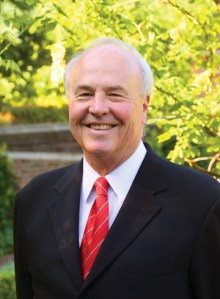
Michael Stablein, Chicago Dental Society President

Michael Stablein, Chicago Dental Society President

I met Michael at the 2009 Chicago Dental Society Midwinter Meeting, introduced by a common friend, Gerhard Seeberger.

After that, for several occasions we had the opportunity to have a series of conversations.

I was literally astonished when, surfing on the ADA webpage, noticed the announcement of his sudden death in Mexico City.

This is always inexplicable, brutal, particular, as it was the case when so premature.

I’ll always keep in my mind an image of Michael of sympathy, kindness, integrity.

To all the family, particularly to his wife Caroline (Coco), friends, colleagues and to the Chicago Dental Society, my deepest condolences.


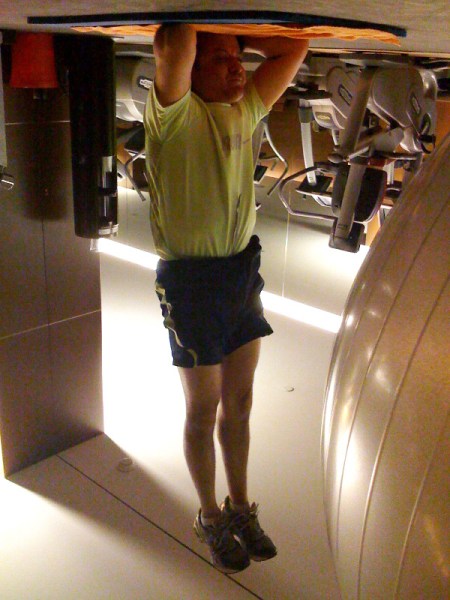
With head glue in the ceiling!

October 26, 2010

Head glue in the ceiling!


5th International Congress of the Italian Dental Association

October 22, 2010

5th International Congress of the Italian Dental Association

I combined the early October visit to Geneva with travel to AOI Congress in Bari, Italy, where I was invited as FDI President-elect.

The 5th International Congress of the Italian Dental Association (Associazione Italiana Odontoiatri – AIO), was under the theme “Focus on Dentistry”.

I had the opportunity to be with our Italian colleagues, Salvatore Rampulla – AIO President, Guido Ranieri, Gerhard Seeberger – ERO President, among others.

Friday was the day of the opening ceremony where I address to the assembly. You can access the base of my intervention on this page.


For the sake of our health

October 15, 2010

AssembleToday, health is people’s main concern.

I would like to share with you some thoughts on the description of four challenges which, I believe, beveridge health systems must face (that is, national health systems based on equality and egalitarian principles):

  • pragmatism
  • transversibility
  • accountability
  • sustainability

1º The challenge of pragmatism

In politics, ideology, by force of circumstance, gradually gives way to pragmatism.

The meaning of the word pragmatism – “the doctrine according to which practical matters are the criteria of knowledge, as opposed to intellectualism” – speaks for itself.

In fact, politics is more and more concerned with issues affecting people’s everyday lives, such as health, education and social security, among others.

As an example of this, Mr. Obama’s health reforms played a central role in the latest presidential elections in the US.

Pragmatism prevents health policies from being irreversibly affected by ideological and ephemeral aspects, by the “isms” that have brought about so much tragedy in the entire world and drives health away from the most adequate solutions.

It is when the debate becomes a partisan dispute, depending on budgetary and electoral cycles, that solutions are compromised or postponed.

Read the rest of this entry »