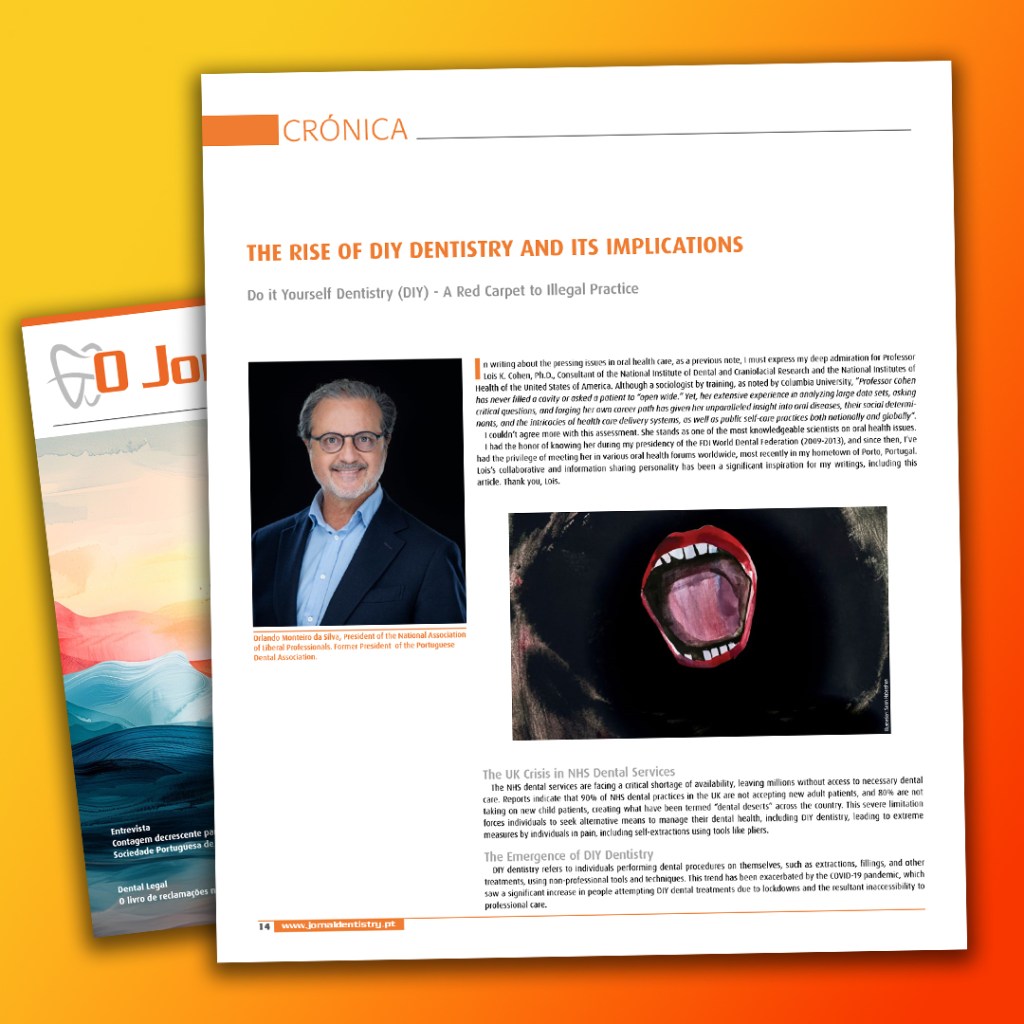
The Importance of Mindfulness in the Clinical Practice of The Dentist

October 25, 2024

Dentistry is a profession that requires a unique combination of scientific, technical knowledge and surgical precision. Daily, the dentist deals with a set of challenges that involve both the execution of meticulous procedures and the management of anxious patients, often in an environment full of great pressure and responsibilities. In addition, it is common for this professional to have to reconcile administrative tasks that make professional practice even more exhausting.

In this context, mindfulness emerges as a powerful tool that can help dentists manage stress, improve their clinical performance and develop a more empathetic relationship with their patients, thus preventing burnout. This article explores the importance of mindfulness in clinical practice, highlighting how it can be integrated into the dentist’s routine and the benefits it provides for the well-being of the professional and the quality of care provided to patients.
What is Mindfulness?

The concept of mindfulness, popularized by professor of medicine Jon Kabat-Zinn, is defined as “the awareness that arises from paying attention, intentionally, to the present moment and without judgment.” In practice, it’s about developing the ability to stay focused on the present, rather than letting the mind wander between worries about the future or past events. Mindfulness is a simple but extremely effective tool that can be practiced at any time of the day, from short breathing exercises to deeper mindfulness in routine activities.

The Challenges of Dentistry

The clinical practice of the dentist is naturally full of challenges. Among the main ones we can highlight:

Management of anxious patients: Many patients feel fear or discomfort in relation to dental procedures, which increases the level of stress, both for the patient and the professional. Mindfulness can help the dentist to deal with these situations with calmer and empathy.

Precise technical procedures: The demand for precision in dentistry is extreme. Any small mistake can compromise the treatment and shake the patient’s confidence. Maintaining focus and concentration is therefore key.

Intense workload: Many dentists face long working hours, which contributes to physical and mental exhaustion, affecting performance.

Administrative requirements: In addition to clinical procedures, running a clinic involves a significant amount of financial, regulatory, and personnel administration issues, which can add an extra load of stress.
Benefits of Mindfulness for the Dentist

  1. Stress and Anxiety Reduction

Studies indicate that regular mindfulness practice is effective in reducing stress and anxiety. For the dentist, who often works under pressure, this practice offers a way to slow down, reflect, and react more calmly and clearly. With mindfulness, it is possible to create a “mental space” that allows for a less impulsive and more thoughtful response to challenging situations.

  1. Improved Focus and Concentration

The ability to stay focused during technical procedures is essential in dentistry. Mindfulness has been linked to strengthening the prefrontal cortex, the area of the brain responsible for attention and concentration. Dentists who practice mindfulness tend to develop a greater ability to stay focused for prolonged periods, which translates into fewer clinical serrors and better treatment outcomes.

  1. Emotional Regulation

In addition to helping with stress management, mindfulness also contributes to more effective emotional regulation.

In situations of tension with patients or when procedures do not go as expected, the dentist who practices mindfulness is better able to pause before reacting, resulting in more controlled and empathetic responses.

  1. Development of Empathy

Mindfulness promotes active listening and empathy, essential soft skills for the relationship between the dentist and the patient. Being “present” during consultations allows the professional to better understand the concerns and anxieties of their patients, creating a relationship of trust that facilitates treatment.

Mindfulness in Clinical Practice

Improved Patient Care

Mindfulness not only improves the well-being of the dentist, but also positively affects the patient experience. A calmer, more focused, and empathetic dentist conveys security to his patients, especially the most anxious, promoting a more collaborative service and a more positive experience.

Reduction of Errors in Procedures

Complex clinical procedures require maximum concentration. Mindfulness helps the dentist to stay focused throughout the procedure, reducing the risk of errors and improving results.

Improvement in Time Management

The practice of mindfulness can also help in efficient time management, a crucial skill in the dental clinic. By prioritizing what really matters and avoiding unnecessary distractions — such as excessive use of technology or multitasking — the dentist can better organize his activities, optimizing time for procedures and administrative tasks.

Mindfulness in Clinic Management

In addition to benefiting clinical practice, mindfulness is also useful in the management of the dental clinic. The decision-making process, often carried out under pressure, becomes clearer and more thoughtful with the practice of mindfulness. The creation of a mental space allows the dentist to analyse situations calmly, leading to more strategic and well-founded decisions, from personnel management to financial issues.

Mindfulness = Burnout Prevention

Burnout is a common problem among healthcare professionals, and dentists are no exception. The combination of long working hours with clinical and administrative responsibilities can lead to physical and emotional burnout. Regular mindfulness practice helps prevent burnout by promoting
emotional self-regulation and the ability to cope with stress in a healthy way.

How to Incorporate Mindfulness into the Dentist’s Routine

Incorporating mindfulness into everyday life doesn’t require major changes. Simple techniques can be practiced throughout the day, providing considerable benefits:

Mindful breathing: Taking a few minutes before a procedure or during breaks to focus on breathing can help reduce stress and increase focus.

Conscious transitions: Use moments of transition, such as walks between rooms, or breaks to refocus the mind and be more present at the next task.

Limit technology use: Establishing specific times to check email and turn off notifications during procedures can reduce distractions and help stay focused.
Conclusion

Mindfulness offers the dentist a valuable set of tools to deal with the daily challenges of their profession. In addition to promoting emotional well-being and improving focus, mindfulness contributes to more efficient clinical practice, increasing the quality of care offered to patients and preventing burnout.

Incorporating mindfulness into the dentist’s daily routine is an investment in mental health and excellence in clinical practice, resulting in a more balanced and satisfying professional activity.

You can read the full article, in Portuguese or English, in the Portuguese monthly edition of Dentistry magazine:

Open the English version of the article (pdf).

Open the Portuguese version of the article (pdf).


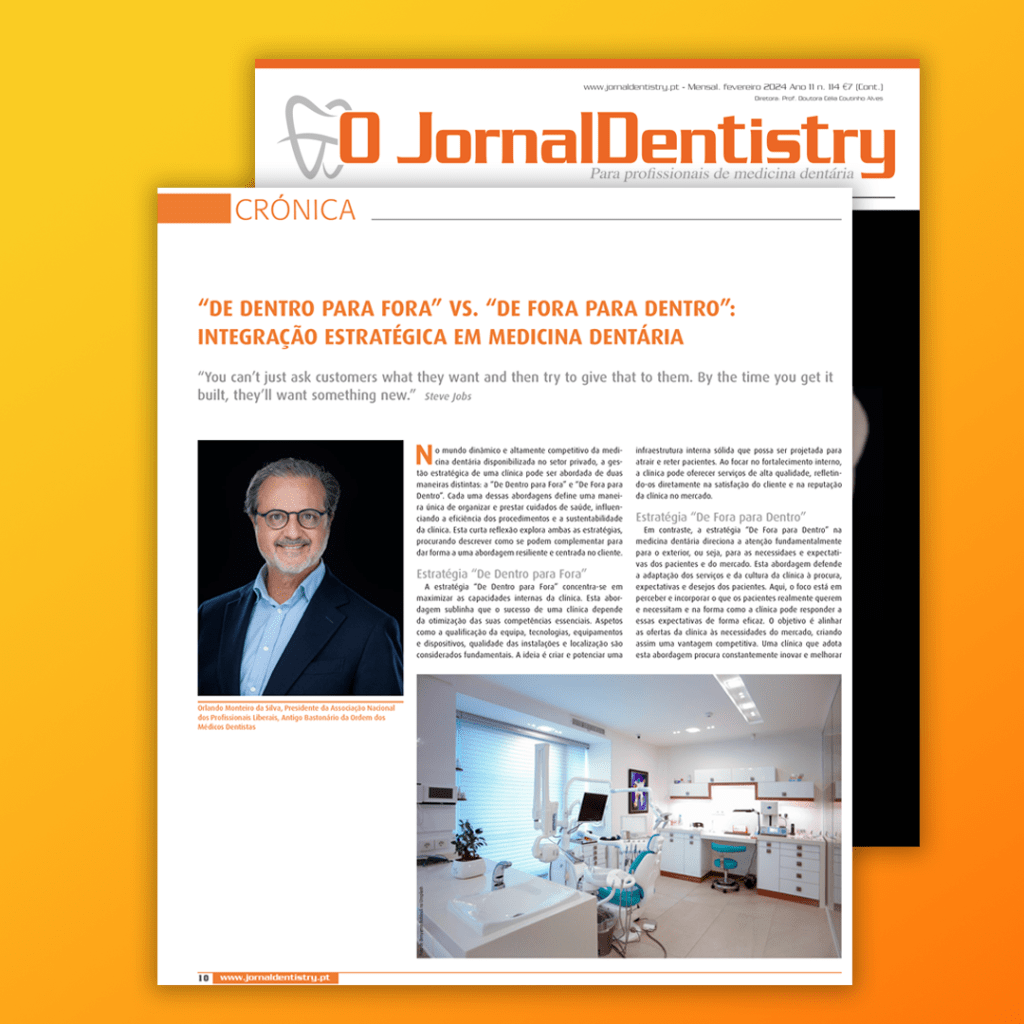
The rise of DIY dentistry and its implications

July 20, 2024

Do it Yourself Dentistry (DIY) – A Red Carpet to Illegal Practice

In writing about the pressing issues in oral health care, as a previous note, I must express my deep admiration for Professor Lois K. Cohen, Ph.D., Consultant of the National Institute of Dental and Craniofacial Research and the National Institutes of Health of the United States of America.

Although a sociologist by training, as noted by Columbia University, “Professor Cohen has never filled a cavity or asked a patient to “open wide.” Yet, her extensive experience in analyzing large data sets, asking critical questions, and forging her own career path has given her unparalleled insight into oral diseases, their social determinants, and the intricacies of health care delivery systems, as well as public self-care practices both nationally and globally”.

I couldn’t agree more with this assessment. She stands as one of the most knowledgeable scientists on oral health issues.

I had the honor of knowing her during my presidency of the FDI World Dental Federation (2009-2013), and since then, I’ve had the privilege of meeting her in various oral health forums worldwide, most recently in my hometown of Porto, Portugal. Lois’s collaborative and information sharing personality has been a significant inspiration for my writings, including this article. Thank you, Lois.

The UK Crisis in NHS Dental Services

The NHS dental services are facing a critical shortage of availability, leaving millions without access to necessary dental care. Reports indicate that 90% of NHS dental practices in the UK are not accepting new adult patients, and 80% are not taking on new child patients, creating what have been termed “dental deserts” across the country.

This severe limitation forces individuals to seek alternative means to manage their dental health, including DIY dentistry, leading to extreme measures by individuals in pain, including self-extractions using tools like pliers.

The Emergence of DIY Dentistry

DIY dentistry refers to individuals performing dental procedures on themselves, such as extractions, fillings, and other treatments, using non-professional tools and techniques. This trend has been exacerbated by the COVID-19 pandemic, which saw a significant increase in people attempting DIY dental treatments due to lockdowns and the resultant inaccessibility to professional care.

Dangers of DIY Dentistry

The practice of DIY dentistry poses numerous health risks, including infection, improper treatment, and exacerbation of existing dental issues. Without proper training and sterilization techniques, individuals are at high risk of severe complications. Additionally, DIY methods often fail to address underlying problems, leading to prolonged pain and suffering.

International Comparisons

While the UK faces a particularly acute crisis, other countries also experience similar issues. For example, in the United States, the lack of affordable dental care leads many to resort to DIY methods. This global trend underscores the need for systemic reforms in dental healthcare accessibility.

Reflecting on my home country, Portugal, I am reminded of the challenges we faced in the late 80s, 90s, and first decade this century to combat illegal and abusive practices by unqualified individuals. I never expected to witness a similar scenario in a developed nation like the UK.

This is not just a UK issue, but a trend seen in regions worldwide where shortages of healthcare personnel are significant challenges. Europe and the US, among others, face similar crises, highlighting that the lack of access to oral health care poses severe safety concerns globally.

Illegal Dental Practices

The rise of DIY dentistry could potentially lead to an increase in illegal dental practices. Unlicensed individuals may start offering dental services to others, posing as professionals. This not only undermines public trust in healthcare systems but also endangers the health of those receiving such treatments.

Addressing the Issue

To mitigate the risks associated with DIY dentistry and prevent illegal practices, several steps need to be taken:

  1. Increase Funding for NHS Dentistry: Adequate funding and reform of the NHS dental contract are crucial to ensure more practices can accept new patients and provide necessary care.
  2. Improve Access and Affordability: Policies aimed at reducing the cost of dental care and increasing the number of practicing dentists can help alleviate the current crisis.
  3. Public Awareness Campaigns: Educating the public about the dangers of DIY dentistry and promoting preventive care can help reduce the need for emergency interventions.
  4. Regulation and Enforcement: Strengthening regulations and enforcement against illegal dental practices will protect public health and ensure that dental care is provided by qualified professionals.
  5. Political Attention: The dental crisis has also been a significant topic in recent UK parliamentary elections. All major parties have expressed concerns and proposed solutions to address the issue. Prime Minister Rishi Sunak and the leader of the opposition, Sir Keir Starmer, have both emphasized the importance of tackling the dental care crisis, with both visiting dental practices to highlight his commitment to finding solutions. This bipartisan acknowledgment underscores the urgency of addressing the deficiencies in the dental care system to prevent further deterioration of public health.

Conclusion

The trend of DIY dentistry is a direct consequence of the inadequacies in current healthcare systems, particularly the NHS in the UK.

Addressing this issue requires com prehensive reforms to increase access to affordable dental care, educate the public on the risks of self-treatment, and prevent the emergence of illegal dental practices. Without these changes, the public health risks associated with DIY dentistry will continue to grow.

We cannot entirely exclude that a similar effect may replicate in other areas of medicine.

You can read the full article, in Portuguese or English, in the Portuguese monthly edition of Dentistry magazine:

Open the English version of the article (pdf).

Open the Portuguese version of the article (pdf).


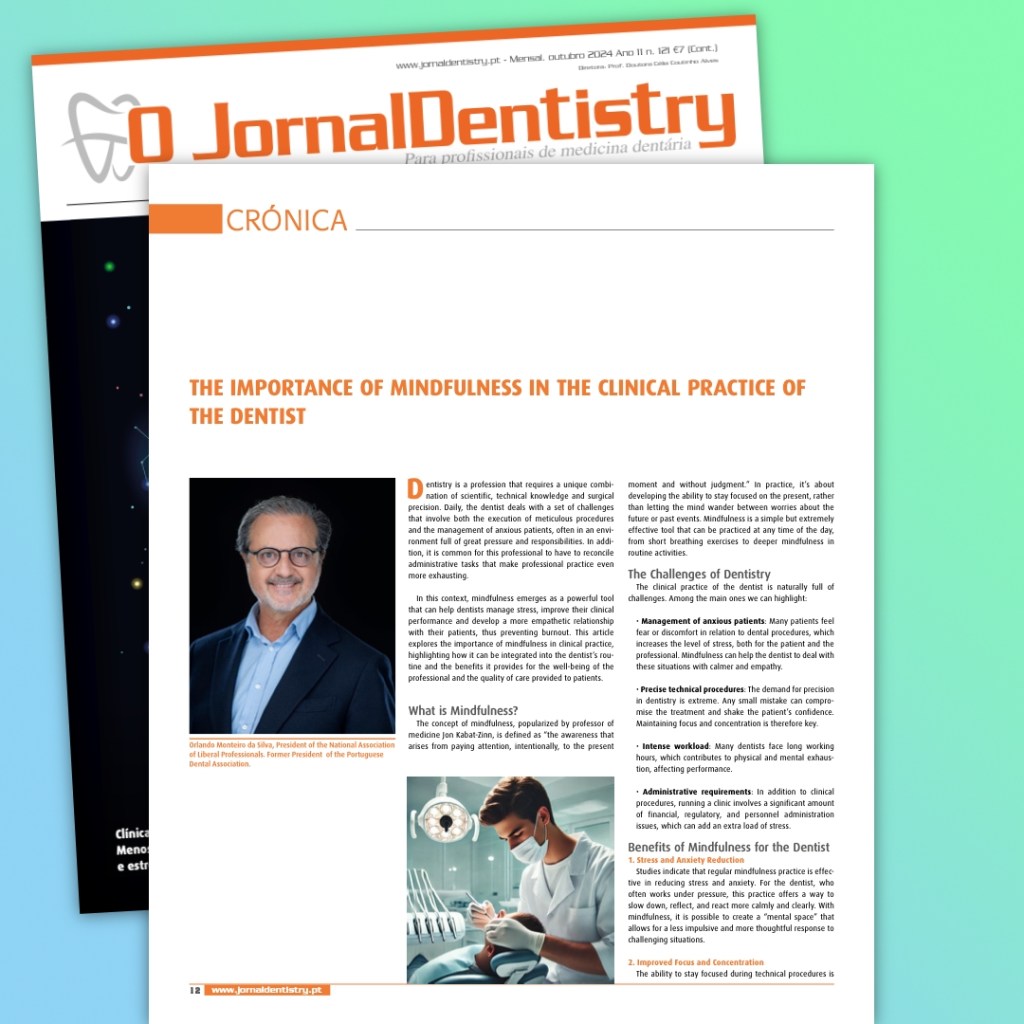
From the inside out vs. from the outside in: strategic integration in dentistry

February 23, 2024

In the dynamic and highly competitive world of dentistry available in the private sector, the strategic management of a clinic can be approached in two different ways: “From the Inside Out” and “From the Outside In”.

Each of these approaches defines a unique way of organizing and delivering healthcare, influencing the efficiency of procedures and the sustainability of the clinic. This short reflection explores
both strategies, seeking to describe how they can complement each other to shape a resilient and customer-centric approach

Inside-Out Strategy

The Inside Out strategy focuses on maximizing the clinic’s internal capabilities. This approach underlines that the success of a clinic depends on optimizing its core competencies.

Aspects such as the qualification of the team, technologies, equipment and devices, quality of facilities and location are considered fundamental.

The idea is to create and leverage a solid internal infrastructure that can be designed to attract and retain patients. By focusing on internal strengthening, the clinic can offer high-quality services, reflecting them directly on customer satisfaction and the clinic’s reputation in the market.

Outside-in Strategy

In contrast, the Outside-In strategy in dentistry directs attention fundamentally outwards, i.e., to the needs and expectations of patients and the market.

This approach advocates adapting the clinic’s services and culture to patients’ demands, expectations, and desires. Here, the focus is on understanding and embodying what patients really want and need and how the clinic can respond to those expectations effectively.

The goal is to align the clinic’s offerings with the needs of the market, thereby creating a competitive advantage. A clinic that adopts this approach is constantly looking to innovate and improve its services, relying mainly on feedback and evolving patient preferences.

You can read the full article, in Portuguese or English, in the Portuguese monthly edition of Dentistry magazine:

Open the English version of the article (pdf).

Open the Portuguese version of the article (pdf).


Business and pleasure in dentistry

December 18, 2023

The Portuguese words “Ócio” and “Negócio” have common roots.

The word “Ócio” comes from the Latin “otium”, which refers to free time, leisure, rest. Over time, this idea of free time evolved into the modern concept of leisure.

The word “negócio” comes from the term “negotium”, which is a combination of “nec” (not) and “otium” (leisure). So, originally, “negotium” meant something other than lei- sure, i.e. an occupation, activity or enterprise.

We’re not going to go into detail today about the importance of leisure, and in particular Being, to the detriment of Doing, particularly in today’s societies: for some reason we’re Human Beings and not Human Doings…

What I wanted to emphasize is the importance of valuing the concept of Business, because it has a very respectable origin.

We often hear people say that dentistry is not a business.

It seems to me that, in fact, what they’re trying to convey is that it’s not a business like any other.

In Portugal, for example, the law states that the performance of a dental medical act corresponds to a pecuniary consideration from the recipient of the services, without prejudice to the legislation applicable to voluntary work and social action. This recognises the obvious, which is that dentistry is not only a health activity but also an economic activity.

So what is the business in dentistry?

You can read the full article, in Portuguese or English, in the Portuguese monthly edition of Dentistry magazine:

Open the English version of the article (pdf).

Open the Portuguese version of the article (pdf).


Orlando Monteiro da Silva receives honorary doctorate from University of Porto

January 13, 2014

Orlando Monteiro da SilvaThe University of Porto conferment of degree doctor honoris causa to Orlando Monteiro da Silva, by proposal of the Faculty of Dental Medicine. It’s the first time that a dentist is recognised in Portugal.

With origins dating back to the eighteenth century, the University of Porto is currently one the most prestigious higher education institutions of Europe.

A public institution close to 32,000 students, 2,400 teachers and researchers along with 1,600 administrative staff attend its 15 schools and 60 scientific research units, spread across three university campuses located in the city of Porto.

With 14 faculties and a business school, the University of Porto provides an exceptional variety of courses, covering the whole range of study areas and all levels of higher education. In fact, offering over 600 training programmes per year (from degrees to continuous professional training), the University of Porto has teaching solutions for everyone.

The immediately previous distinguished was Jean-Claude Juncker in 2013. See all 79 contemplated here since 1921.

Biography Note

Orlando Monteiro da Silva was born in Porto and graduated in dentistry from the Faculty of Dental Medicine, University of Porto.

President of the Portuguese Dental Association since 2001, Orlando Monteiro da Silva has occupied several functions both in national and international prominent institutions.

In 2003 he was elected to the board of the Council of European Dentists, CED, having later served a mandate as its president, between 2006 and 2009.

In 2004, he was a candidate for the council of FDI – World Dental Federation, having become the first Portuguese person to assume decision-making functions within this global organization of dentistry. He promoted the adhesion of East Timor, Angola, Mozambique, Guinea-Bissau and the Lusophone Dental Association to the FDI.

University of PortoThe importance of advocating for Portuguese dentists and dentistry both nationally and internationally, as well as for the relevance of learning and of bringing experiences from abroad, have marked his work as President of the Portuguese Dental Association, Ordem dos Médicos Dentistas, regulatory body of the profession in Portugal.

In 2011 he acted as president of FDI – World Dental Federation, a position he occupied until the end of his term in August 2013.

In 2011, he was elected president of the National Council of Professional Associations (CNOP) and in 2012 he took office as councillor of the Portuguese Economic and Social Council, for four years from 2011 to 2015.