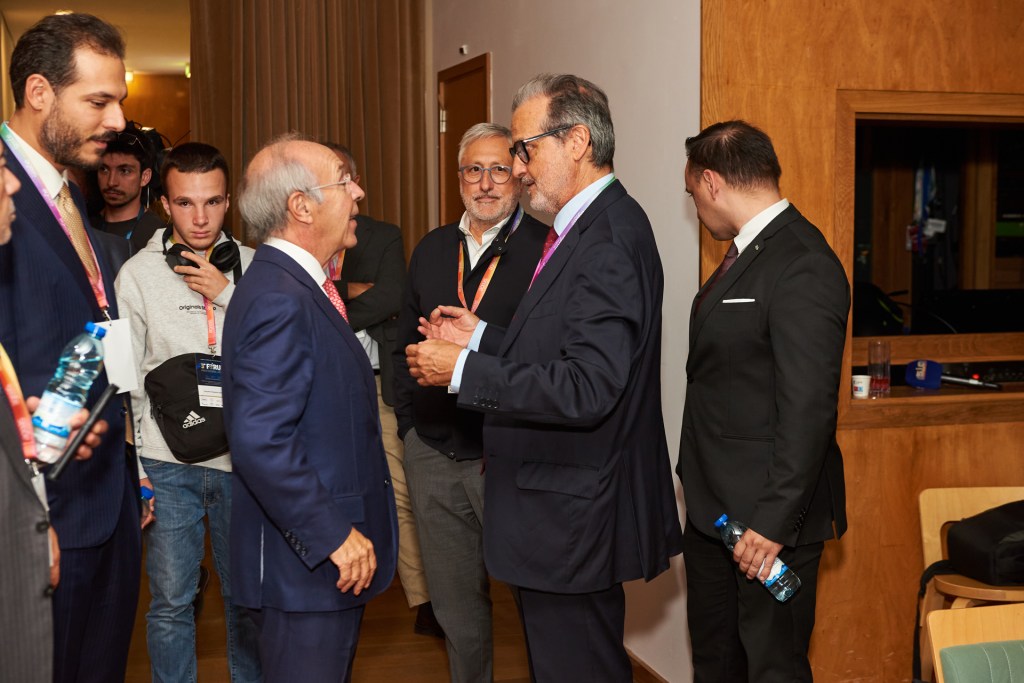
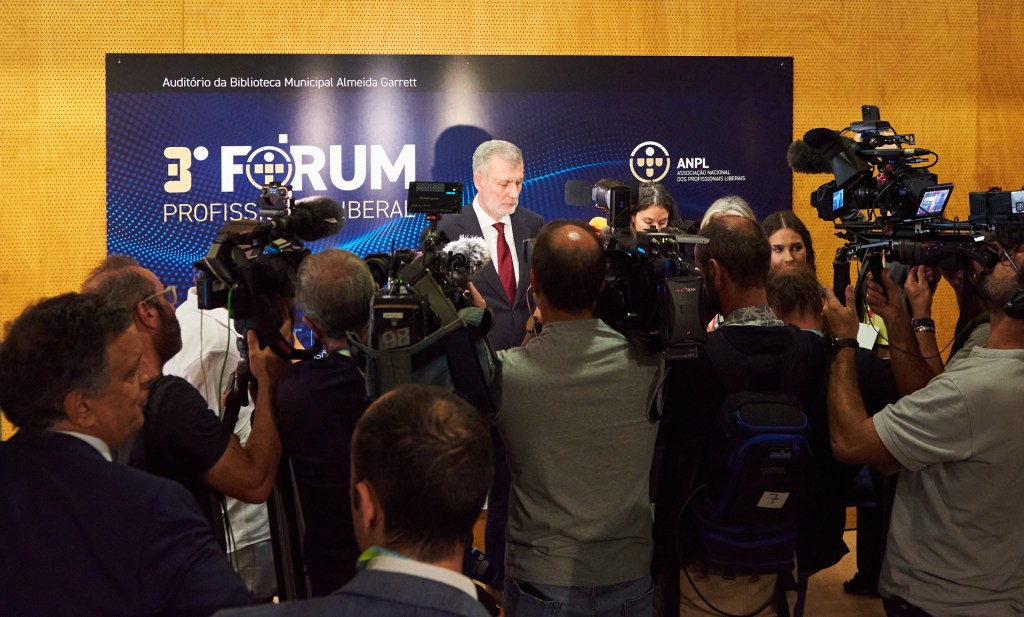
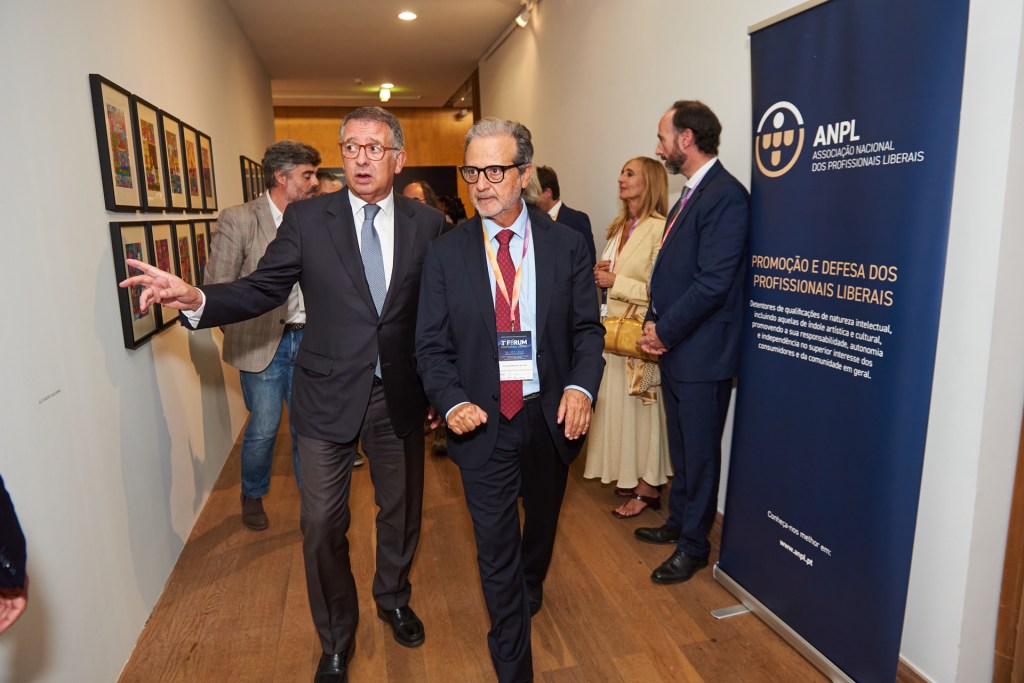
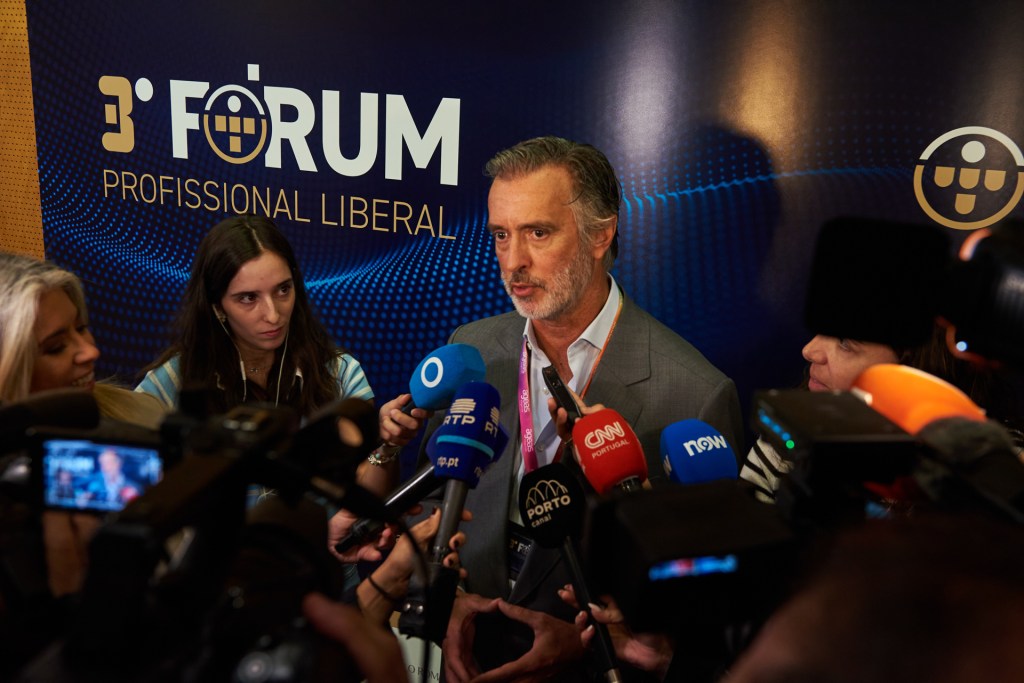
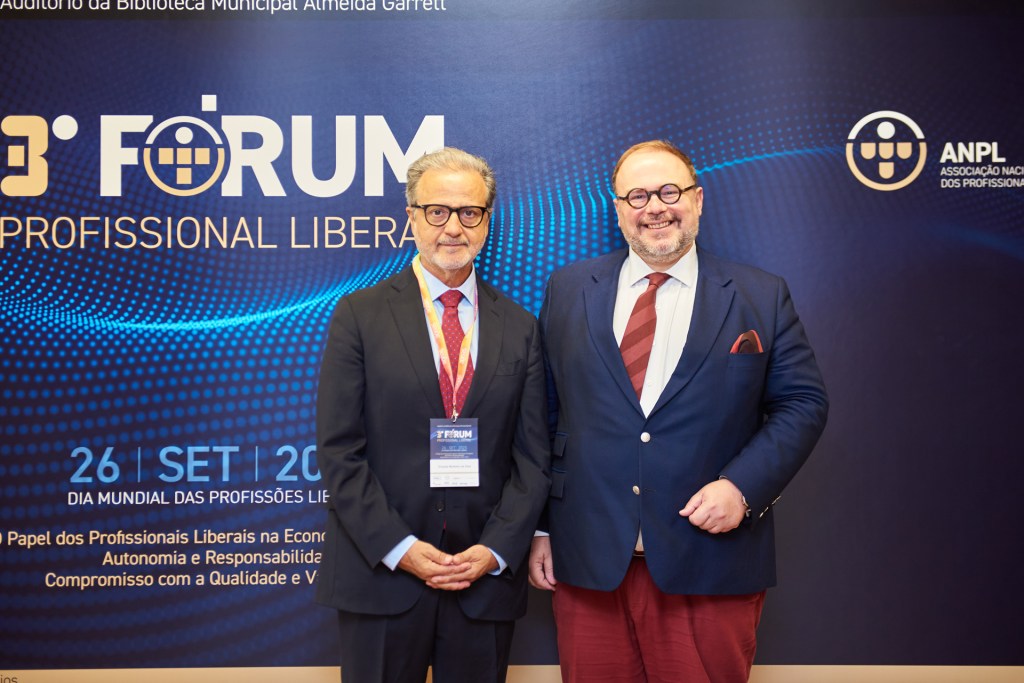
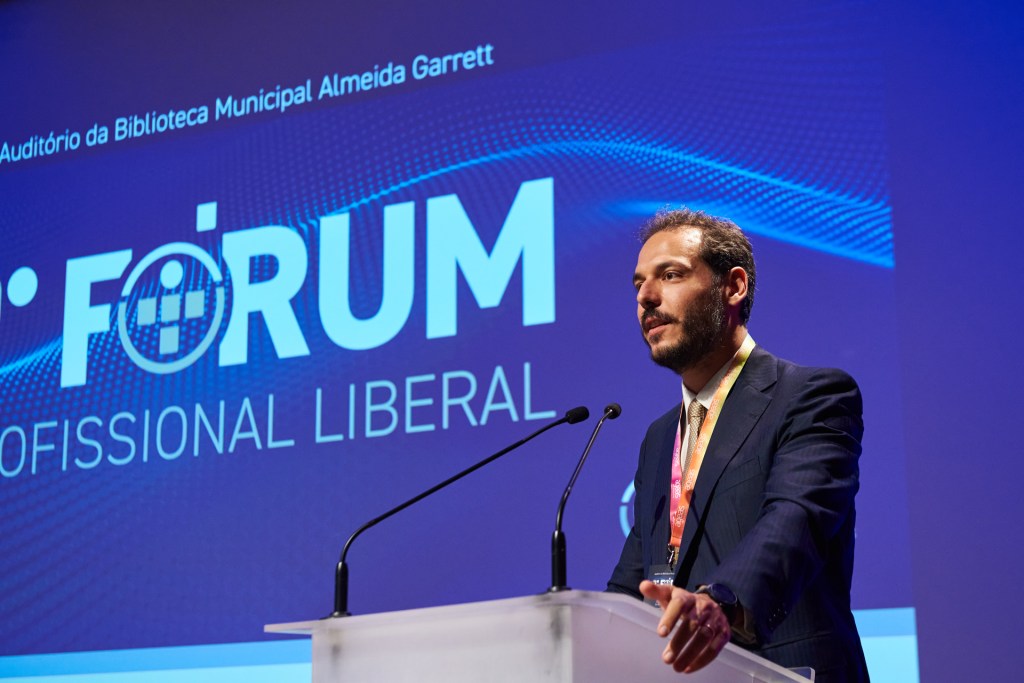
O Porto é uma cidade de tradições empreendedoras com inovação profissional e empresarial. Em consonância a Associação Nacional dos Profissionais Liberais, com o apoio da Câmara Municipal do Porto e da AGEAS Seguros, realizou no próximo dia 26 de setembro, o 3.º Fórum Profissional Liberal. Comemorou-se simultaneamente o Dia Mundial das Profissões Liberais
O Fórum Profissional Liberal contou com cinco perspetivas de cinco candidatos a Presidente da República portuguesa em cinco painéis distintos. Um deles será Presidente da República a eleger a 18 de janeiro de 2026.
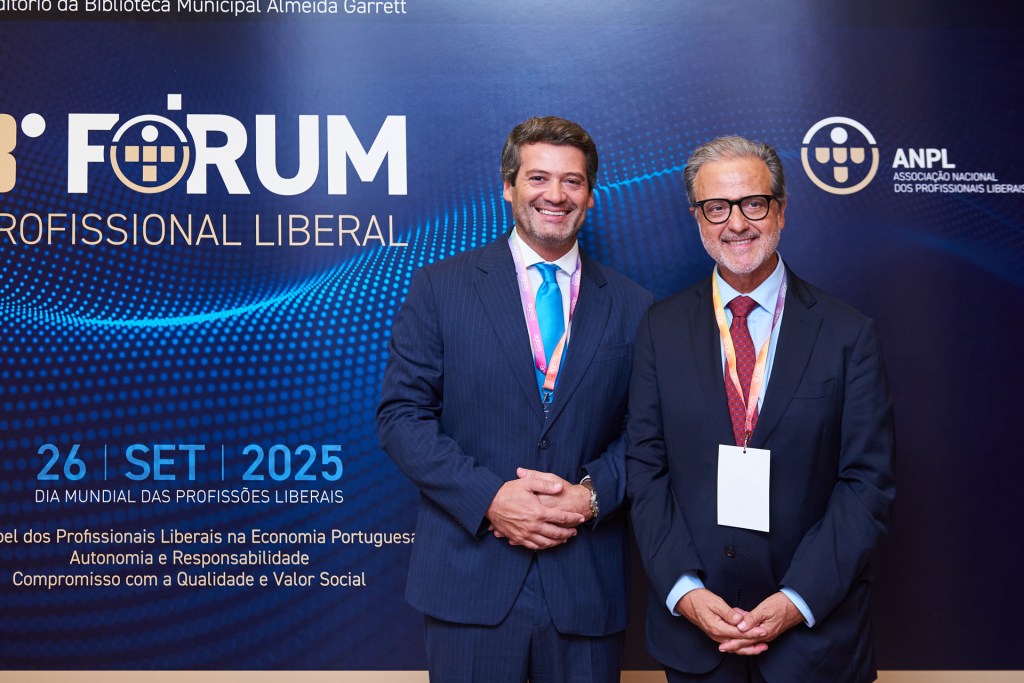
Luís Marques Mendes, candidato presidencial.Henrique Gouveia e Melo, candidato presidencial.António José Seguro, candidato presidencial.João Cotrim Figueiredo, candidato presidencial.André Ventura.
No Fórum foram abordadas temáticas relevantes ao exercício dos profissionais liberais, em particular o seu Papel na Economia Portuguesa, o respeito pela sua Autonomia e Responsabilidade e o Compromisso com a Qualidade e Valor Social dos serviços prestados.
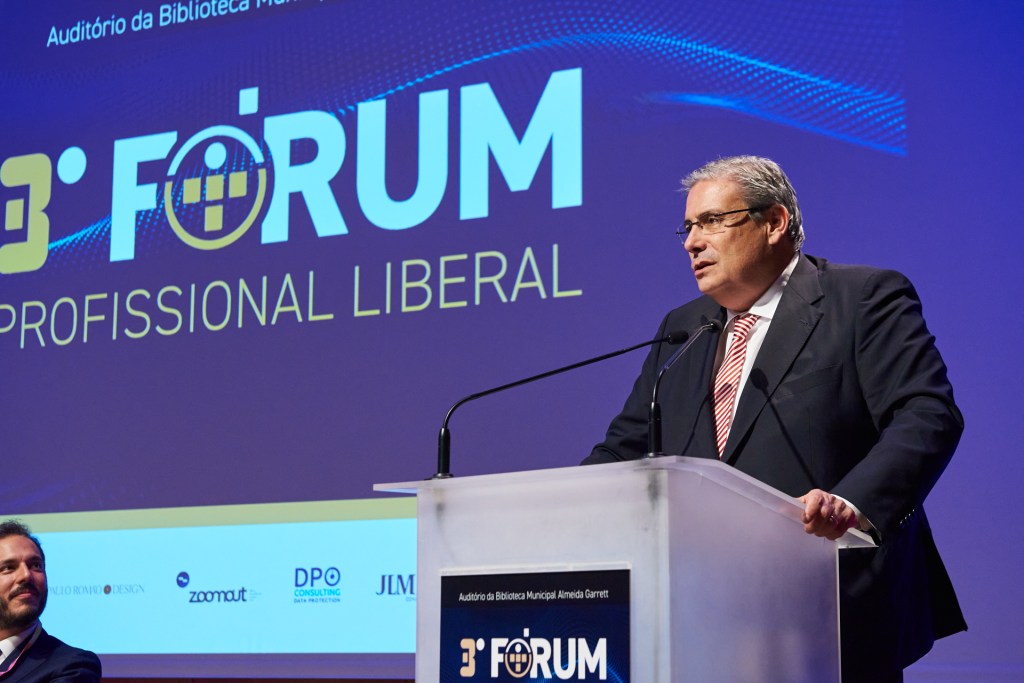
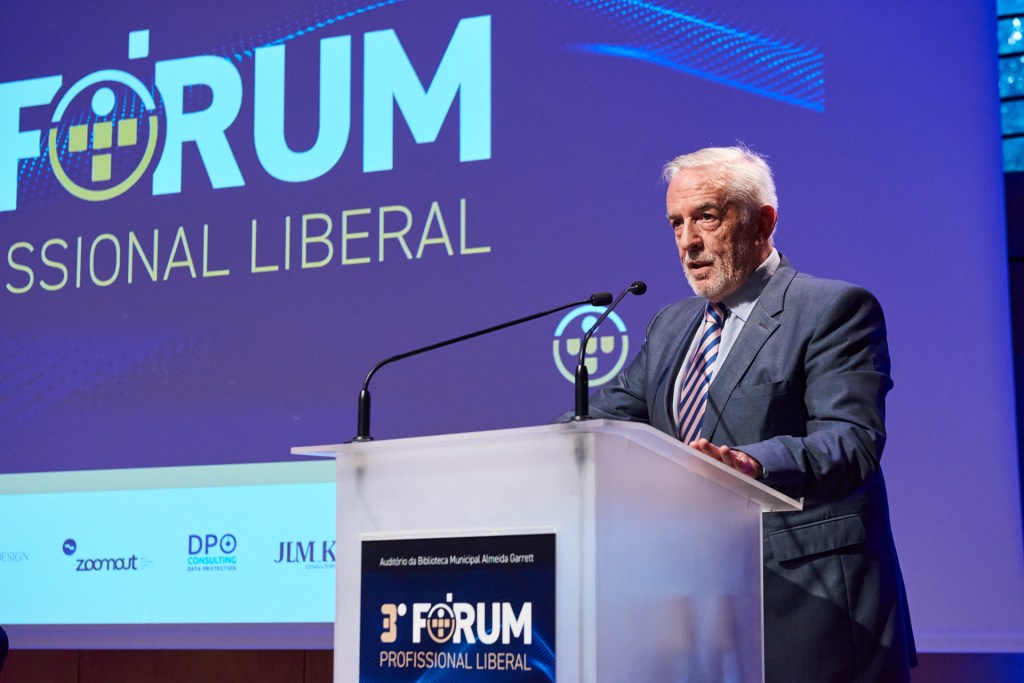
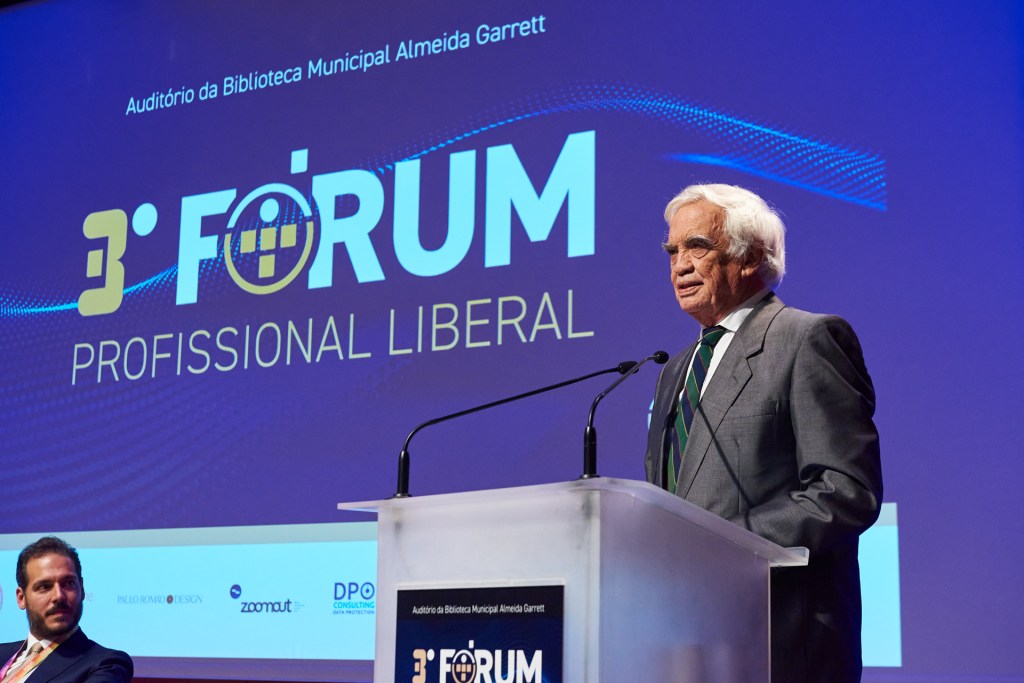
Carlos de Abreu Amorim, ministro dos Assuntos Parlamentares, presença institucional.Luís Pais Antunes, presidente do Conselho Económico e Social português.Diogo Pacheco de Amorim, vice-presidente da Assembleia da República.Theodoros Koutroubas, presidente do Conselho Europeu das Profissões Liberais.
A autonomia, a independência, a confiança, a autorregulação profissional, a qualificação, a mobilidade e reconhecimento de qualificações, a formação contínua, a inteligência artificial e seu impacto, o digital no geral, a transição digital, energética e climática são temas que nos são caros. Mas, estamos particularmente focados na proteção social e fiscalidade aplicáveis aos profissionais liberais.
Os números demonstram a relevância dos profissionais liberais em Portugal : representam mais de 20% do Valor Acrescentado Bruto nacional, 16% do emprego direto e quase 30% do investimento em investigação e desenvolvimento. Apesar disso, ainda não têm a representação plena que merecem.
Os dados sobre profissões e profissionais liberais não têm sido convenientemente estudados e partilhados na sociedade portuguesa pelas universidades, organizações e pelo próprio poder político.
Em termos macro, sobre a realidade portuguesa , excluindo o setor das artes e cultura, constitui-se o trabalho independente em,
21,7 % do VAB, Valor Acrescentado Bruto da economia,
16,5% do emprego direto,
26,3. % do tecido empresarial e
28,7 % do investimento empresarial em I&D, Investigação e Desenvolvimento.
Temos uma absoluta necessidade de efetuar mais estudos e caracterizar a realidade das profissões liberais em Portugal.
Sabemos que há cada vez há mais profissionais liberais e trabalhadores qualificados por conta própria.
Nos últimos cinco anos, o número de trabalhadores independentes em Portugal, com habilitações superiores, cresceu cerca de 40%.
Temos, segundo dados do ministério das finanças mais de 1 milhão e 300 mil de trabalhadores coletados como trabalhadores independentes.
Apesar disso raramente vemos os profissionais liberais , que constituem mais de metade deste número descritos ou considerados como trabalhadores com representação e defesa plena no espaço socioprofissional.
Portugal não pode desvalorizar continuadamente um tão alargado número de profissionais qualificados que assumem os riscos do autoemprego, do empreendedorismo, da incerteza e até da autonomia dentro das organizações.
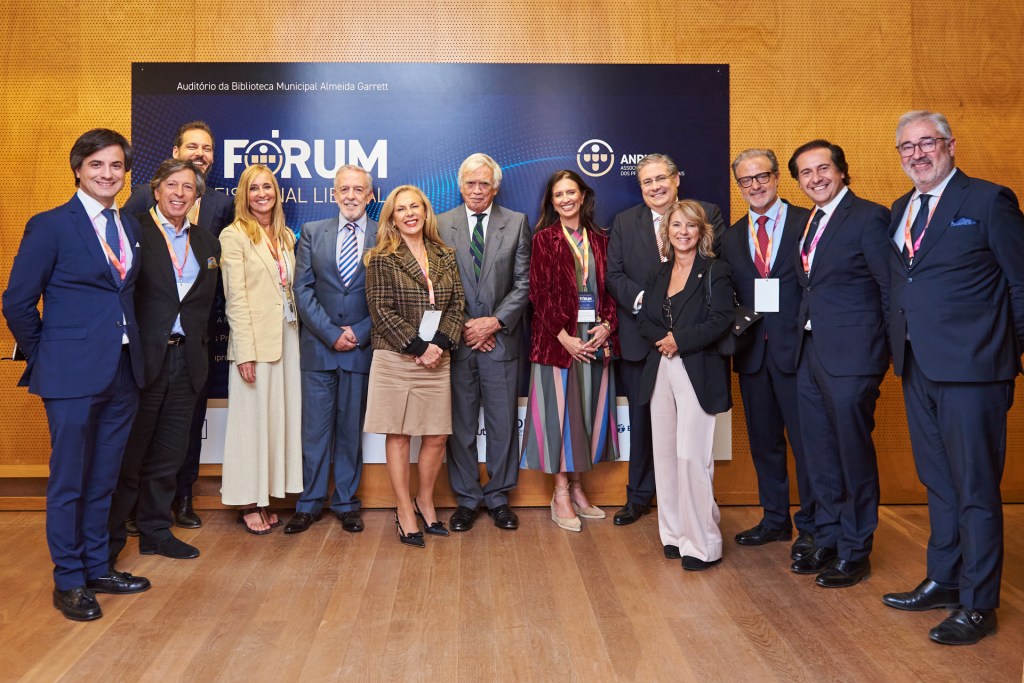
Foto de grupo no final do evento.Felicidades ao novo presidente da ANPL, João Ascenso, para o seu mandato.
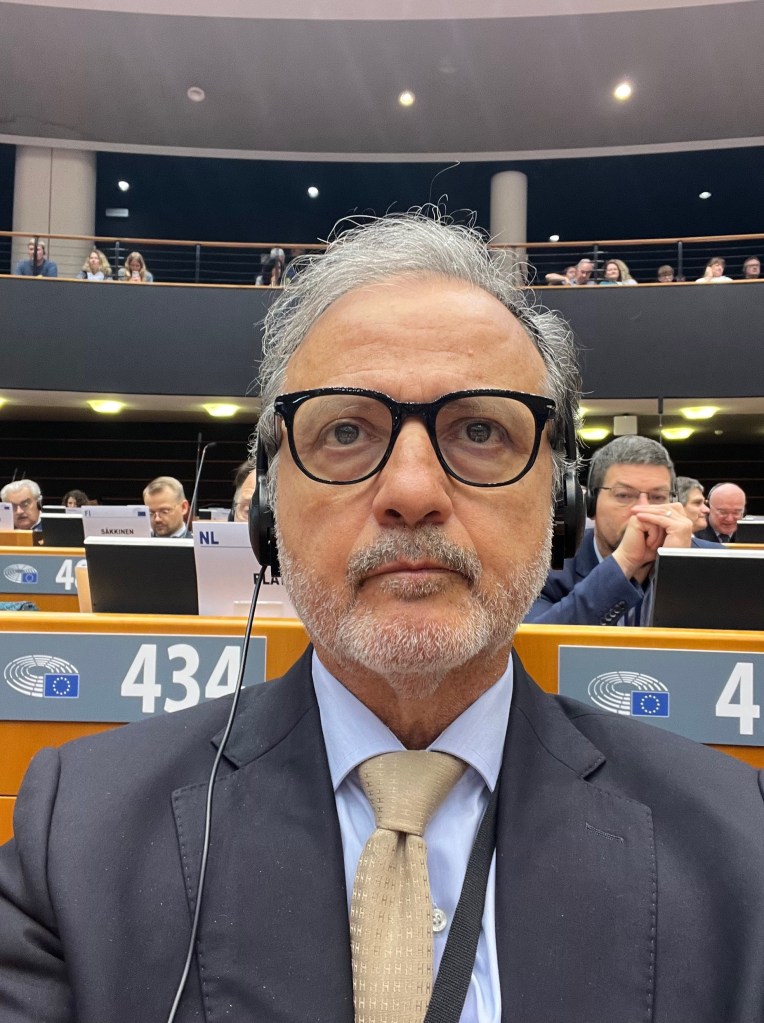
I took office at the Plenary Session of the (EESC), in Brussels, on 21, 22 and 23 last October, as a Member of the European Economic and Social Committee, Group III.
The European Economic and Social Committee is an advisory body created by the Treaty of Rome in 1957 to ensure that, through its opinions, the voices of economic and social actors are heard by the European institutions, thus taking part in the European Union’s decision-making process.
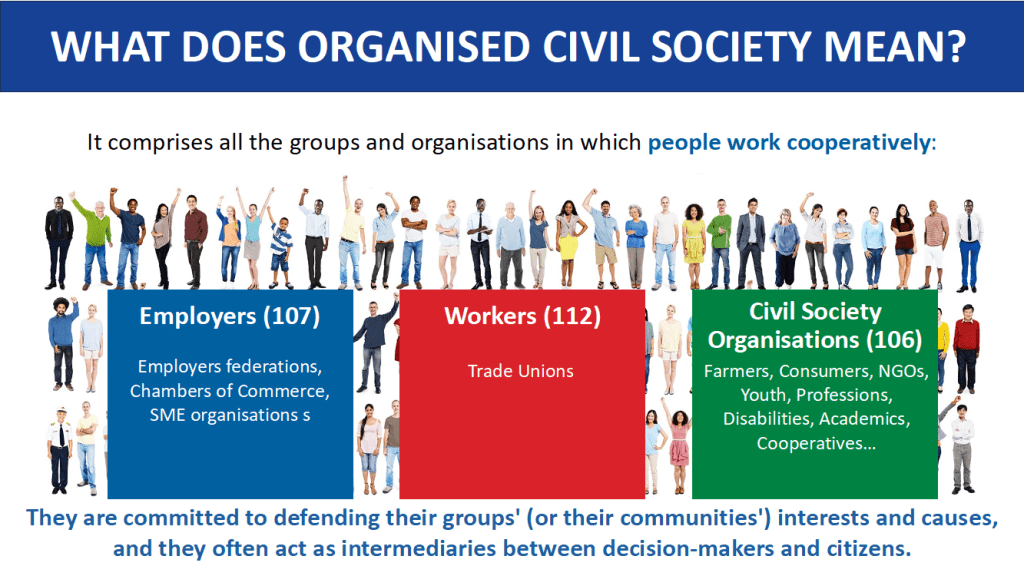
The EESC has 329 members, who are drawn from economic and social interest groups in Europe.
Members are nominated by national governments and appointed by the Council of the European Union for a renewable 5-year term of office. The latest renewal was in October 2020 for the 2020-2025 term of office.
As a member of the Civil Society Organisations, Group III, I’ll be working directly on
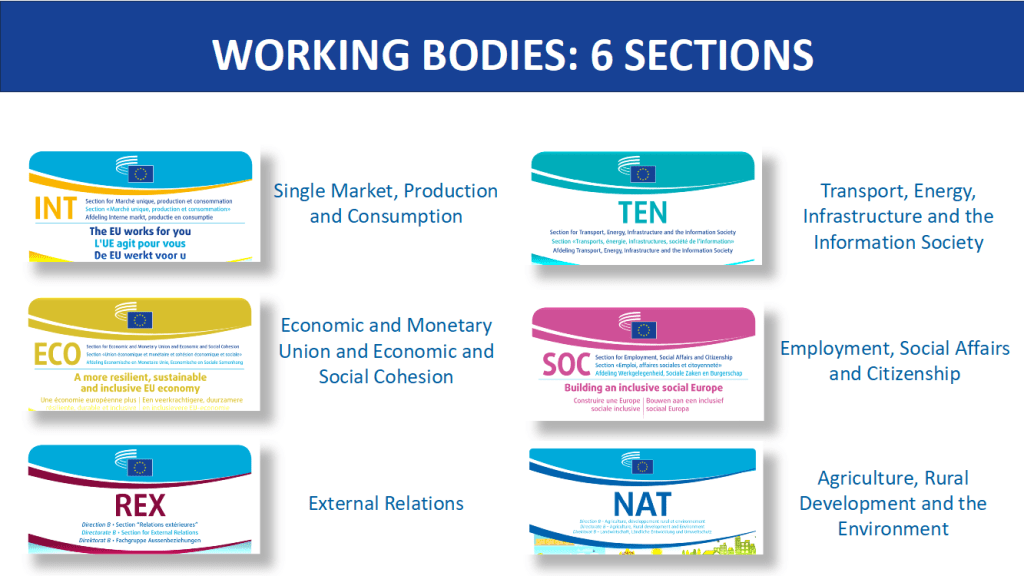
Internal Market and the Single Market Enforcement Observatory
External Relations also included on the EU-Brazil Round Table.
Description as follows:
Internal Market
The Section for the Single Market, Production and Consumption (INT) of the European Economic and Social Committee is made up of 130 members and is responsible for drafting the EESC’s opinions on matters relating to the smooth operation and completion of the single market.
It deals with topics such as digitalisation and artificial intelligence, competition policy, industrial policy, financial services, small and medium-sized enterprises, the social economy, the circular economy, company law, consumer protection, research and innovation and the EU customs union.
On issues of particular importance to the Single Market, the section holds public hearings to consult the broadest possible range of civil society organisations.
Every year since 1999, it has also organised the flagship Committee event European Consumer Day.
The section also has a Digital Transition and Single Market Observatory to monitor developments in the Digital Single Market and propose ways to eliminate obstacles or make improvements to it.
Single Market Enforcement Observatory
The Observatory of the Digital Transition and the Single Market was set up with a view to providing the EESC with a flexible, horizontal structure enabling it to:
Analyse how the Digital Single Market operates;
Identify shortcomings and obstacles; and
Propose solutions.
The Observatory concentrates on the development of the EU Digital Single Market and covers, among other things, the activities of the EESC on the Digital Agenda, including policy initiatives related to Data, Cybersecurity, Research and Development (R&D) and market uptake of digital technologies.
External Relations
The EESC’s External Relations section (REX) is tasked with monitoring the EU’s external activities through a dialogue with civil society organisations from the non-EU countries and regions with which the EU has formal relations. The Section also actively follows the EU’s trade and development policies.
The main task of the EESC in the field of external relations is supporting the Eu- ropean Union’s activities through a dialogue with civil society organisations of non-EU countries and geographical groupings with which the EU has formal relations.
To do so, the EESC counts on the work of its External Relations Section (REX). Composed of 129 members, the REX section is led by a president, three vice- presidents and a bureau of 12 members.
EU-Brazil Round Table
Driven by the collaboration between the European Economic and Social Committee (EESC) and the Brazilian Economic and Social Development Council (CDES), the EU-Brazil Civil Society Round Table held eight meetings between 2009 and 2014.
Following the re-establishment of Brazil’s civil society advisory body in 2023 – now operating as the Sustainable Economic and Social Development Council of Brazil (CDESS) – and in accordance with the EESC-CDESS Memorandum of Understanding signed on 9 April 2024 in Brasília, as well as the Joint Statement issued by the President of the EESC and the Minister of Institutional Relations of Brazil on 10 April 2024, the EU-Brazil Civil Society Round Table has been officially reactivated.
The number of members per Member State is as follows:
France, Germany and Italy have 24 members each
Poland and Spain have 21
Romania has 15
Austria, Belgium, Bulgaria, the Czech Republic, Greece, Hungary, the Netherlands, Portugal and Sweden have 12
Croatia, Denmark, Finland, Ireland, Lithuania and Slovakia have 9
Latvia, Slovenia and Estonia have 7
Cyprus and Luxembourg have 6
Malta has 5
Portuguese Representatives
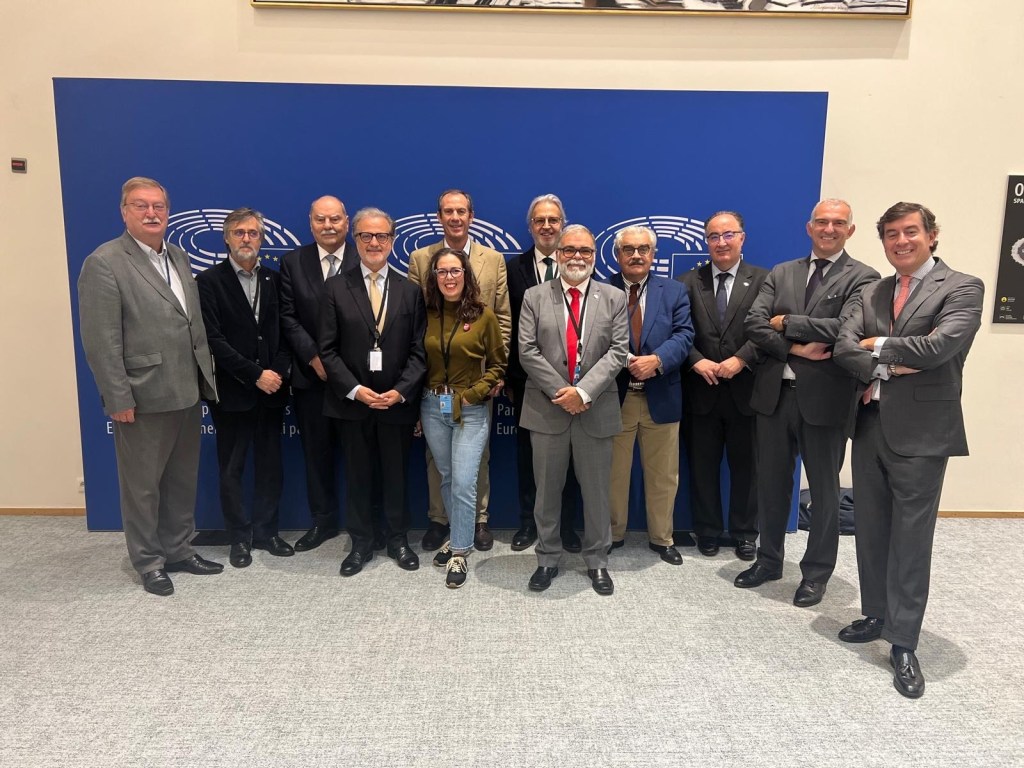
Among the members of the European Economic and Social Committee are 12 Portuguese representatives, who took office this Wednesday for a five-year term, in a ceremony held at the European Parliament in Brussels.
On the employers’ side (Group 1), the Portuguese representatives are Luís Mira (Confederation of Portuguese Farmers), Gonçalo Lobo Xavier (Portuguese Business Confederation), Paulo Barros Vale (Portuguese Tourism Confederation) and Vasco de Mello (Portuguese Confederation of Commerce and Services).
Representing workers (Group 2) are Carlos Silva and José Cordeiro (both from the General Union of Workers) and Carlos Trindade and Hélder Pires (both from the General Confederation of Portuguese Workers — National Inter-Union).
As representatives of civil society organisations (Group 3) are Francisco Silva (Portuguese Confederation of Social Economy), Nuno Serra (National Confederation of Agricultural and Agricultural Credit Cooperatives of Portugal), Orlando Monteiro da Silva (National Association of Liberal Professionals) and Inês Cardoso (League for the Protection of Nature).
I’ll be sharing my activities on social media and particularly in this blog.
It is with great responsibility and enthusiasm that I will take office at the forthcoming Plenary Session of the European Economic and Social Committee (EESC), on 21, 22 and 23 October, as a Member of the European Economic and Social Committee. I will propose my affiliation to Group III – Civil Society Organisations – with a particular focus on the liberal professions, upon nomination by the Portuguese Association of Liberal Professionals, for the 2025–2030 mandate.
The composition of the 12 Portuguese members is structured in accordance with the three groups: I – Employers, II – Workers, and III – Civil Society Organisations. The appointment of the Portuguese members falls under the direct responsibility of the Prime Minister, Luís Montenegro, upon proposal by the Minister for Labour, Solidarity and Social Security, Rosário Palma Ramalho.
The European Economic and Social Committee is a consultative body established by the Treaty of Rome in 1957 to allow, through its opinions, the voices of economic and social actors to be heard by the European institutions, and thus participate in the European Union’s decision-making process.
The Civil Society Organisations’ Group is one of the three groups that make up the EESC. Group III is made up of representatives and stakeholders of civil society, particularly in the economic, civic, professional and cultural field.
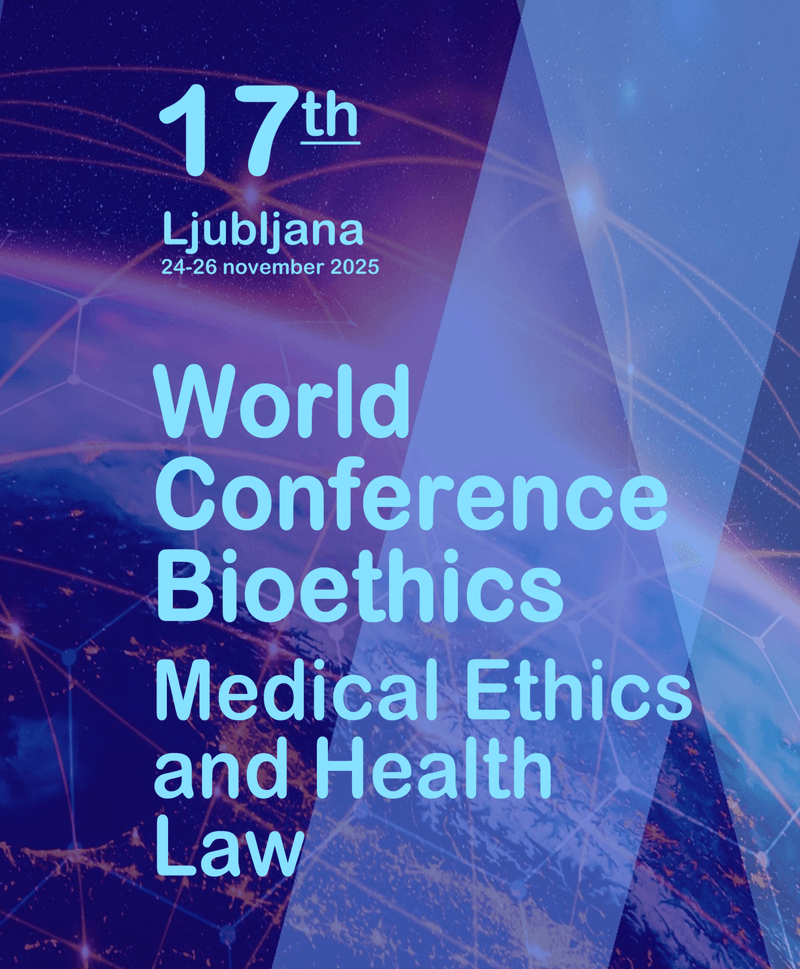
I am pleased to share that I will be presenting at the 17th World Conference on Bioethics, Medical Ethics and Health Law, to be held in Ljubljana, Slovenia, in November 2025.
My presentation, titled “Liberal Health Professions in the European Union: Ethics, Concepts, and the Call for Harmonization”, will explore the defining characteristics of liberal health professions (LHP) in the EU, focusing on their ethical foundations, the role of self-regulation, challenges arising from fragmented definitions and regulatory frameworks.
It highlights how such fragmentation affects professional identity, public trust, and socio-economic competitiveness.
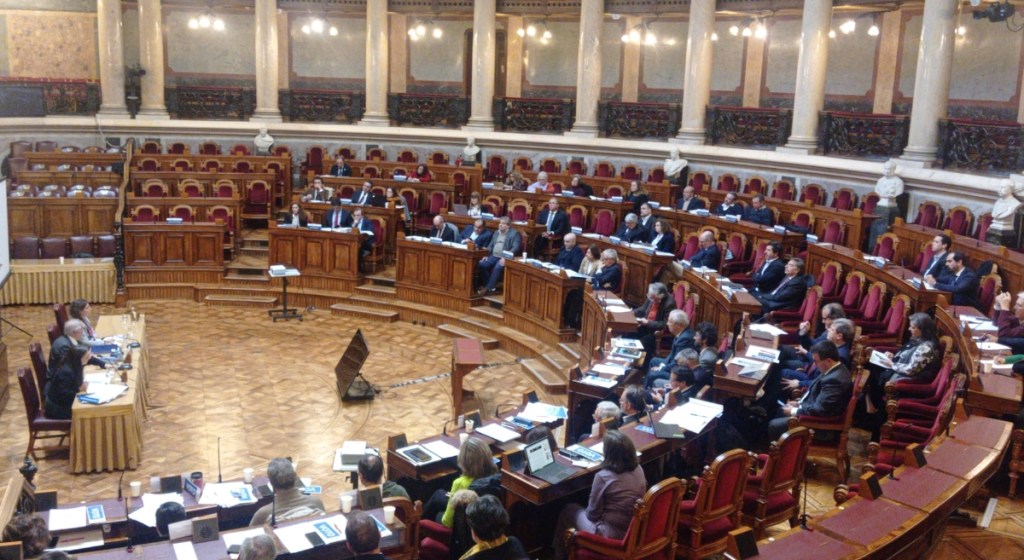
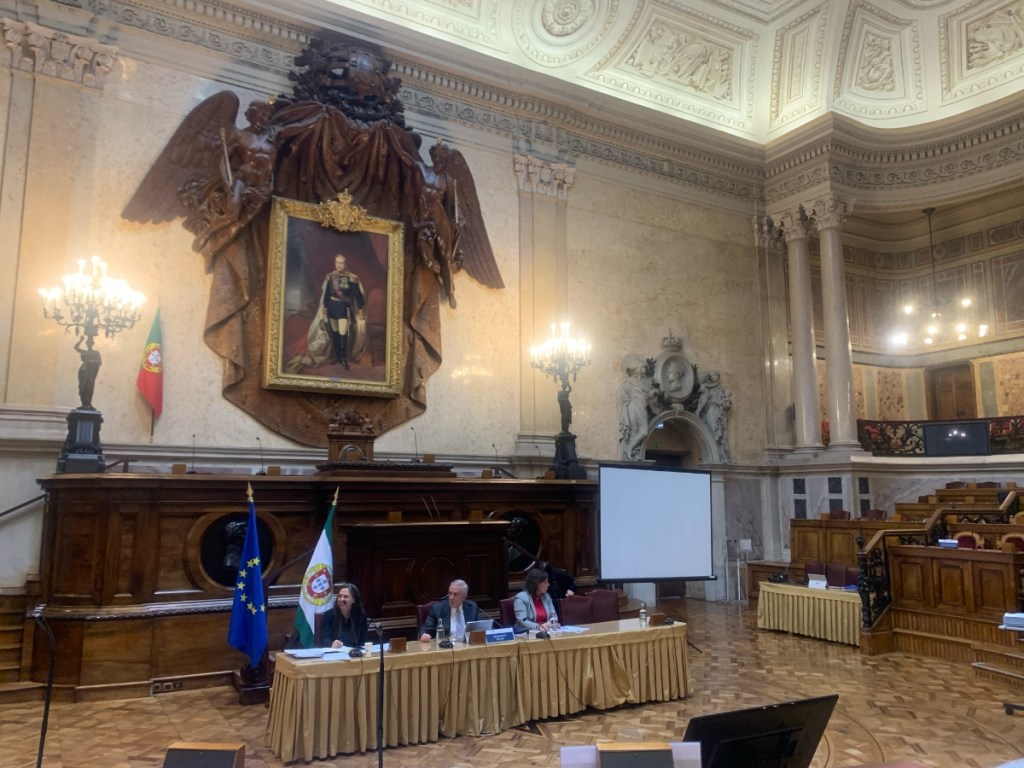
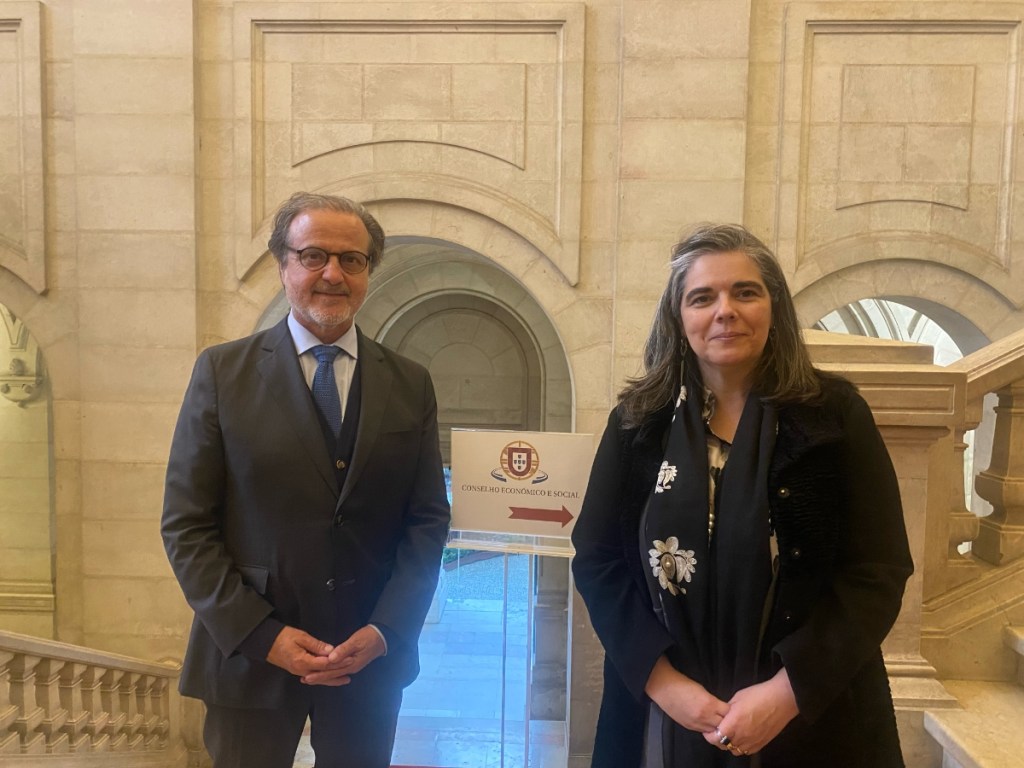
I have taken office as a Counselor in the Senate Room of the Assembly of the Republic, representing Liberal Professions (Self- Employed, Freelancers and Independent Workers)
The role of the Economic and Social Council and the civil society it represents essential in promoting a social and cultural shift in the way governments and legislators perceive liberal professionals and their businesses. I am fully committed to collaborating with CES in promoting and implementing broad, profound, and structural changes that will shape the future of liberal professions and professionals.
I will represent the National Association of Liberal Professionals (ANPL) in the category of organizations representing liberal professions. The following reflection outlines the reasons for this nomination:
ANPL was established in 2021 and was publicly and symbolically presented on May 1st of that year, highlighting some of the main challenges faced by liberal professionals.
ANPL was founded by a group of liberal professionals to add value, defend, and promote liberal professions, recognizing the need for these professionals to be properly heard, acknowledged, and valued. Only in this way can we help prevent the departure of many of the most qualified professionals from our country, the proletarization of these professions, the resulting financial anxiety, the diminishing recognition of their importance, and the inevitable decline in the quality of services provided to the market, businesses, and individual consumers.
We advocate and promote the principles and values adopted by liberal professionals, including the defense of life, autonomy, independence, trust, professional self-regulation, and professional secrecy, among others.
Some challenges are particularly relevant for liberal professionals, such as mobility and recognition of qualifications, continuous training, artificial intelligence and its impact, digital transformation, and energy and climate transition.
In Portugal, we are particularly focused on social protection and taxation applicable to liberal professionals.
A significant portion of the challenges and problems affecting liberal professionals relate to labor activities and the regulation of their economic and professional relationships, such as contracting modalities, wage issues, or fees.
Additionally, other crucial issues include ensuring fairness in taxation, especially for independent liberal professionals, as well as social protection, unemployment and underemployment, parental support, retirement and pensions, and access to continuous training.
Fragmentation of Liberal Professionals
There are many types of liberal professionals. Some work independently as freelancers, as they are called in some countries. Others lead or are part of teams. Some take a more entrepreneurial approach, forming sole proprietorships, limited liability companies, or working with larger teams, often employing dozens of other liberal professionals. Others work under employment contracts while still maintaining the responsibilities and autonomy inherent to their profession, which should be protected. Some professionals even have multiple occupations that are not directly related to their main profession.
Therefore, the world of liberal professions is fragmented, heterogeneous, and complex and needs to be analyzed, studied, and better understood.
Characterizing the Liberal Professions Sector
Data on liberal professions and professionals have not been adequately studied or shared in Europe and in Portuguese society by universities, organizations, or even political authorities.
We believe it is important to improve literacy in this sector, identify best practices, particularly in Europe, and highlight key statistics regarding liberal professions. We aim to identify the barriers that national and international liberal professionals face in their careers. Many of them are highly qualified young people that Portugal and other countries are turning their backs on, while older professionals are often discarded, left to face a difficult and undignified retirement.
For instance, according to the European Economic and Social Committee (EESC), about 22% of workers in Europe are engaged in liberal professions.
Regarding the Portuguese economy, excluding the arts and culture sector to allow comparison with neighboring countries, liberal professions contribute:
21.7% of Gross Value Added (GVA)
16.5% of direct employment
26.3% of business fabric
28.7% of corporate investment in R&D (Research & Development)
We have an urgent need to conduct more studies and properly characterize the reality of liberal professions in Portugal.
We also know that the number of self-employed professionals with higher education has increased by around 40% over the past five years in Portugal.
According to data from the Portuguese Ministry of Finance, there are over 1 million registered self-employed professionals in the country.
Orlando Monteiro da Silva, President of the Board of Directors of ANPL (Portuguese Association of Liberal Professionals), and Carla Castro, President of the Advisory Council of ANPL.
The Lack of Recognition for Liberal Professionals in Portugal
Despite exceeding 1 million professionals, liberal professionals in Portugal rarely receive proper representation or full defense in the socio-professional landscape. As I mentioned, physically, we exist—but beyond that, we are merely tolerated.
Portugal cannot continue to undervalue such a large number of qualified professionals who often take on the risks of self-employment, entrepreneurship, and the investment in education and innovation—all of which benefit businesses of all sizes, social institutions, and the State.
At ANPL, as an interprofessional association, we define liberal professionals as workers with intellectual qualifications, including artistic and cultural professions, who uphold responsibility, autonomy, and independence in the best interest of consumers and society as a whole.
This definition is broad yet focused, accommodating not only classical self-regulated liberal professions (self-regulated by professional orders) and those regulated directly by the Portuguese State or private associations, but also a wide range of other professions, such as:
Data Protection Officers, Data Analysts, Financial and Strategy Consultants, IT Professionals, Instructors, Chefs, Coaches, Designers, Journalists, Musicians and Theater Directors, Teachers, Writers and Gallery Owners, Specialized Translators and Antiquarians…And many other emerging professions.
There are those who want to eliminate this form of work, transforming liberal professionals into employees—but we want to remain liberal professionals.
We are willing to take on the risks of self-employment, entrepreneurship, uncertainty, and even autonomy within organizations. However, we need to be properly recognized and supported through a Legal Statute that ensures fair treatment for our profession compared to other forms of work.
The purpose of ANPL is to engage with liberal professionals and civil society and to put some of the key issues on the table—issues that will determine the future of this profession and how public authorities, policymakers, regulators, and society at large perceive it.
Liberal professionals want to move away from outdated corporatism and elitism. They seek to establish common values across professions and correct the current situation in Portugal, where they lack full representation and protection in terms of economic rights, taxation, and social security.
Organizations and businesses must also do their part—not only in terms of governance, inclusion, sustainability, and conflict of interest management, but also in upholding the ethics of our professions.
Finally, citizens have the right to know whether the organizations and businesses (public, private, or social) where liberal professionals work comply with corporate codes of conduct and professional ethics.
We need European and national policymakers to reduce bureaucracy in our professions. We cannot be choked by blind rules and excessive regulations.
Comments Off on My Nomination to the Portuguese Social and Economic Council (CES) | English | Permalink Posted by Orlando Monteiro da Silva
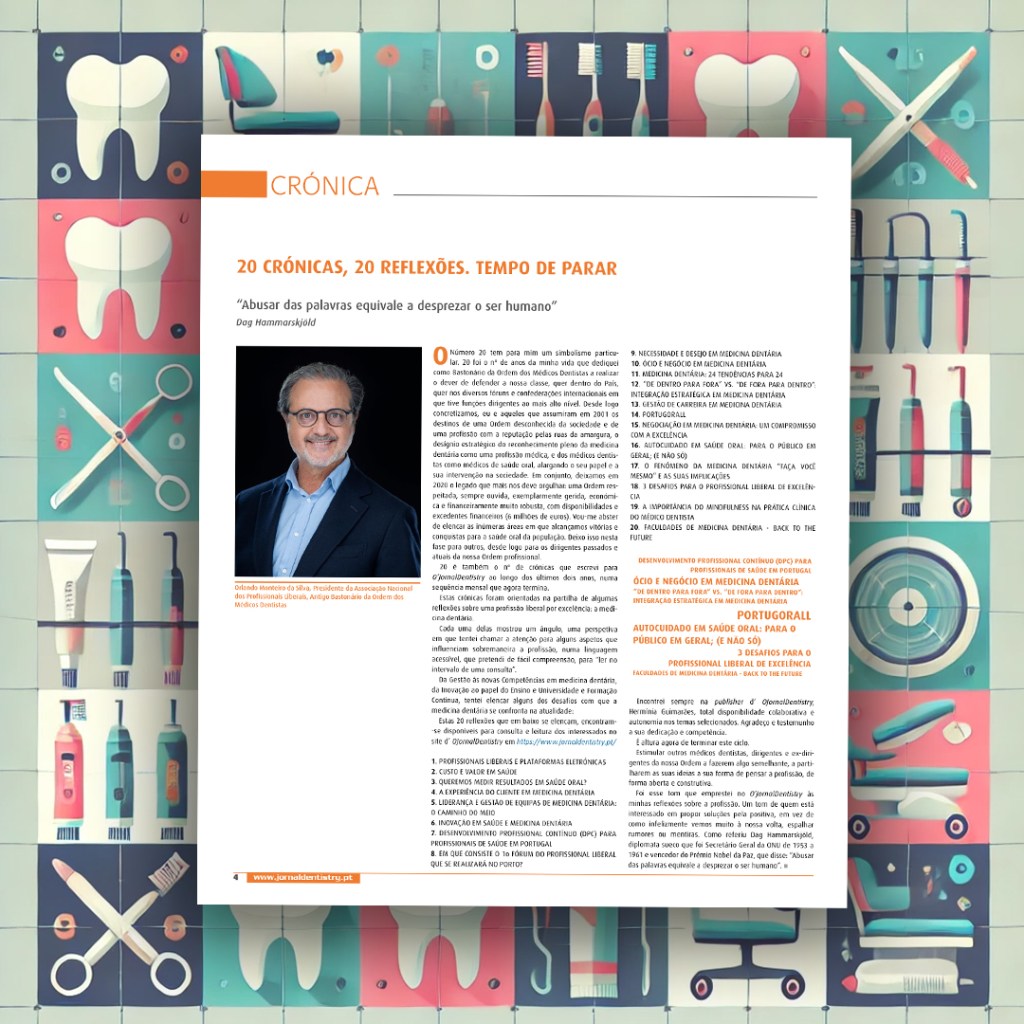
Número 20 tem para mim um simbolismo particular. 20 foi o nº de anos da minha vida que dediquei como Bastonário da Ordem dos Médicos Dentistas a realizar o dever de defender a nossa classe, quer dentro do País, quer nos diversos fóruns e confederações internacionais em que tive funções dirigentes ao mais alto nível.
Desde logo concretizamos, eu e aqueles que assumiram em 2001 os destinos de uma Ordem desconhecida da sociedade e de uma profissão com a reputação pelas ruas da amargura, o desígnio estratégico do reconhecimento pleno da medicina dentária como uma profissão médica, e dos médicos dentistas como médicos de saúde oral, alargando o seu papel e a sua intervenção na sociedade.
Em conjunto, deixamos em 2020 o legado que mais nos deve orgulhar: uma Ordem respeitada, sempre ouvida, exemplarmente gerida, económica e financeiramente muito robusta, com disponibilidades e excedentes financeiros (6 milhões de euros).
Vou-me abster de elencar as inúmeras áreas em que alcançamos vitórias e conquistas para a saúde oral da população. Deixo isso nesta fase para outros, desde logo para os dirigentes passados e atuais da nossa Ordem profissional.
20 é também o nº de crónicas que escrevi para O’JornalDentistry ao longo dos últimos dois anos, numa sequência mensal que agora termina.
Estas crónicas foram orientadas na partilha de algumas reflexões sobre uma profissão liberal por excelência: a medicina dentária.
Cada uma delas mostrou um ângulo, uma perspetiva em que tentei chamar a atenção para alguns aspetos que influenciam sobremaneira a profissão, numa linguagem acessível, que pretendi de fácil compreensão, para “ler no intervalo de uma consulta”.
Da Gestão às novas Competências em medicina dentária, da Inovação ao papel do Ensino e Universidade e Formação Contínua, tentei elencar alguns dos desafios com que a medicina dentária se confronta na atualidade:
Estas 20 reflexões que em baixo se elencam, encontram-se disponíveis para consulta e leitura dos interessados no site d’ OJornalDentistry em https://www.jornaldentistry.pt/.
Encontrei sempre na publisher d’ OJornalDentistry, Hermínia Guimarães, total disponibilidade colaborativa e autonomia nos temas selecionados. Agradeço e testemunho a sua dedicação e competência.
É altura agora de terminar este ciclo.
Estimular outros médicos dentistas, dirigentes e ex-dirigentes da nossa Ordem a fazerem algo semelhante, a partilharem as suas ideias a sua forma de pensar a profissão, de forma aberta e construtiva.
Foi esse tom que emprestei no O’JornalDentistry às minhas reflexões sobre a profissão. Um tom de quem está interessado em propor soluções pela positiva, em vez de como infelizmente vemos muito à nossa volta, espalhar rumores ou mentiras.
Como referiu Dag Hammarskjöld, diplomata sueco que foi Secretário Geral da ONU de 1953 a 1961 e vencedor do Prémio Nobel da Paz, que disse: “Abusar das palavras equivale a desprezar o ser humano”.
You can read the full article, in Portuguese or English, in the Portuguese monthly edition of Dentistry magazine:
O artigo está disponível na integra, em português e inglês, tal como foi publicado no O’JornalDentistry:
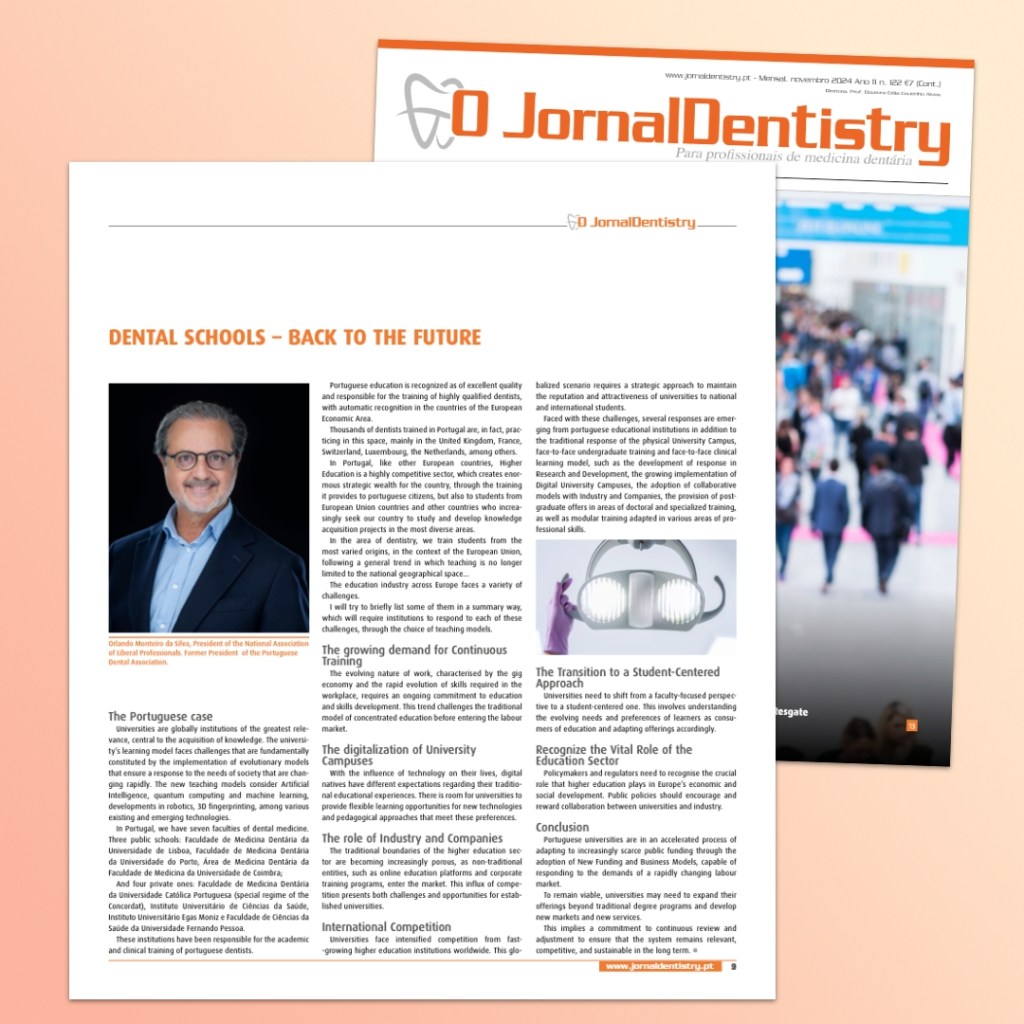
Universities are globally institutions of the greatest relevance, central to the acquisition of knowledge. The university’s learning model faces challenges that are fundamentally constituted by the implementation of evolutionary models that ensure a response to the needs of society that are changing rapidly. The new teaching models consider Artificial Intelligence, quantum computing and machine learning, developments in robotics, 3D fingerprinting, among various existing and emerging technologies.
In Portugal, we have seven faculties of dental medicine. Three public schools: Faculdade de Medicina Dentária da Universidade de Lisboa, Faculdade de Medicina Dentária da Universidade do Porto, Área de Medicina Dentária da Faculdade de Medicina da Universidade de Coimbra;
And four private ones: Faculdade de Medicina Dentária da Universidade Católica Portuguesa (special regime of the Concordat), Instituto Universitário de Ciências da Saúde, Instituto Universitário Egas Moniz e Faculdade de Ciências da Saúde da Universidade Fernando Pessoa.
These institutions have been responsible for the academic and clinical training of portuguese dentists.
Portuguese education is recognized as of excellent quality and responsible for the training of highly qualified dentists, with automatic recognition in the countries of the European Economic Area.
Thousands of dentists trained in Portugal are, in fact, practicing in this space, mainly in the United Kingdom, France, Switzerland, Luxembourg, the Netherlands, among others.
In Portugal, like other European countries, Higher Education is a highly competitive sector, which creates enormous strategic wealth for the country, through the training it provides to portuguese citizens, but also to students from European Union countries and other countries who increasingly seek our country to study and develop knowledge acquisition projects in the most diverse areas.
In the area of dentistry, we train students from the most varied origins, in the context of the European Union, following a general trend in which teaching is no longer limited to the national geographical space…
The education industry across Europe faces a variety of challenges.
I will try to briefly list some of them in a summary way, which will require institutions to respond to each of these challenges, through the choice of teaching models.
The growing demand for Continuous Training
The evolving nature of work, characterised by the gig economy and the rapid evolution of skills required in the workplace, requires an ongoing commitment to education and skills development. This trend challenges the traditional model of concentrated education before entering the labour market.
The digitalization of University Campuses
With the influence of technology on their lives, digital natives have different expectations regarding their traditional educational experiences. There is room for universities to provide flexible learning opportunities for new technologies and pedagogical approaches that meet these preferences.
The role of Industry and Companies
The traditional boundaries of the higher education sector are becoming increasingly porous, as non-traditional entities, such as online education platforms and corporate training programs, enter the market. This influx of competition presents both challenges and opportunities for established universities.
International Competition
Universities face intensified competition from fastgrowing higher education institutions worldwide. This globalized scenario requires a strategic approach to maintain the reputation and attractiveness of universities to national and international students.
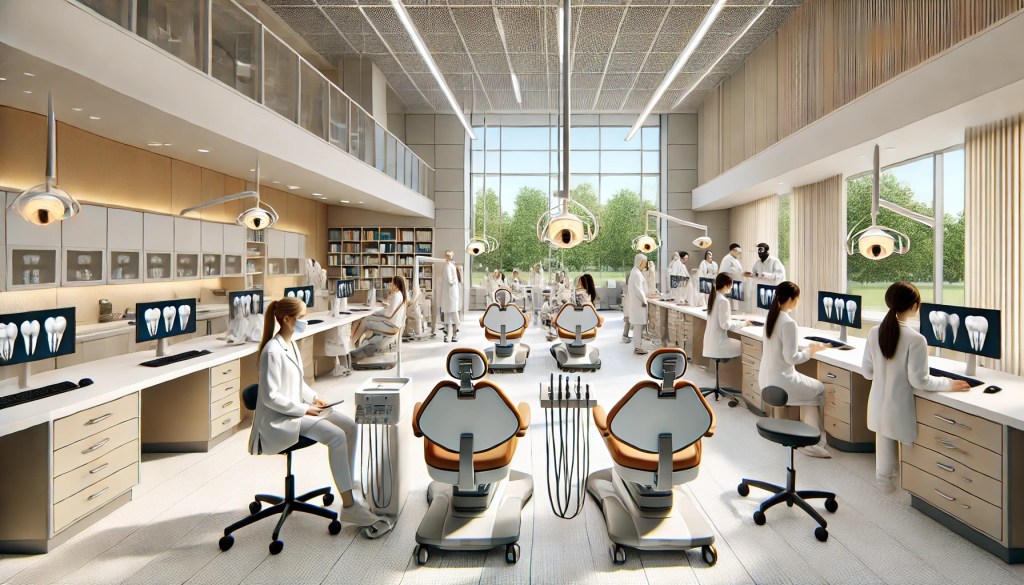
Faced with these challenges, several responses are emerging from Portuguese educational institutions in addition to the traditional response of the physical University Campus, face-to-face undergraduate training and face-to-face clinical learning model, such as the development of response in Research and Development, the growing implementation of Digital University Campuses, the adoption of collaborative models with Industry and Companies, the provision of postgraduate offers in areas of doctoral and specialized training, as well as modular training adapted in various areas of professional skills.
The Transition to a Student-Centered Approach
Universities need to shift from a faculty-focused perspective to a student-centered one. This involves understanding the evolving needs and preferences of learners as consumers of education and adapting offerings accordingly.
Recognize the Vital Role of the Education Sector
Policymakers and regulators need to recognise the crucial role that higher education plays in Europe’s economic and social development. Public policies should encourage and reward collaboration between universities and industry.
Conclusion
Portuguese universities are in an accelerated process of adapting to increasingly scarce public funding through the adoption of New Funding and Business Models, capable of responding to the demands of a rapidly changing labour market.
To remain viable, universities may need to expand their offerings beyond traditional degree programs and develop new markets and new services.
This implies a commitment to continuous review and adjustment to ensure that the system remains relevant, competitive, and sustainable in the long term.
You can read the full article, in Portuguese or English, in the Portuguese monthly edition of Dentistry magazine:
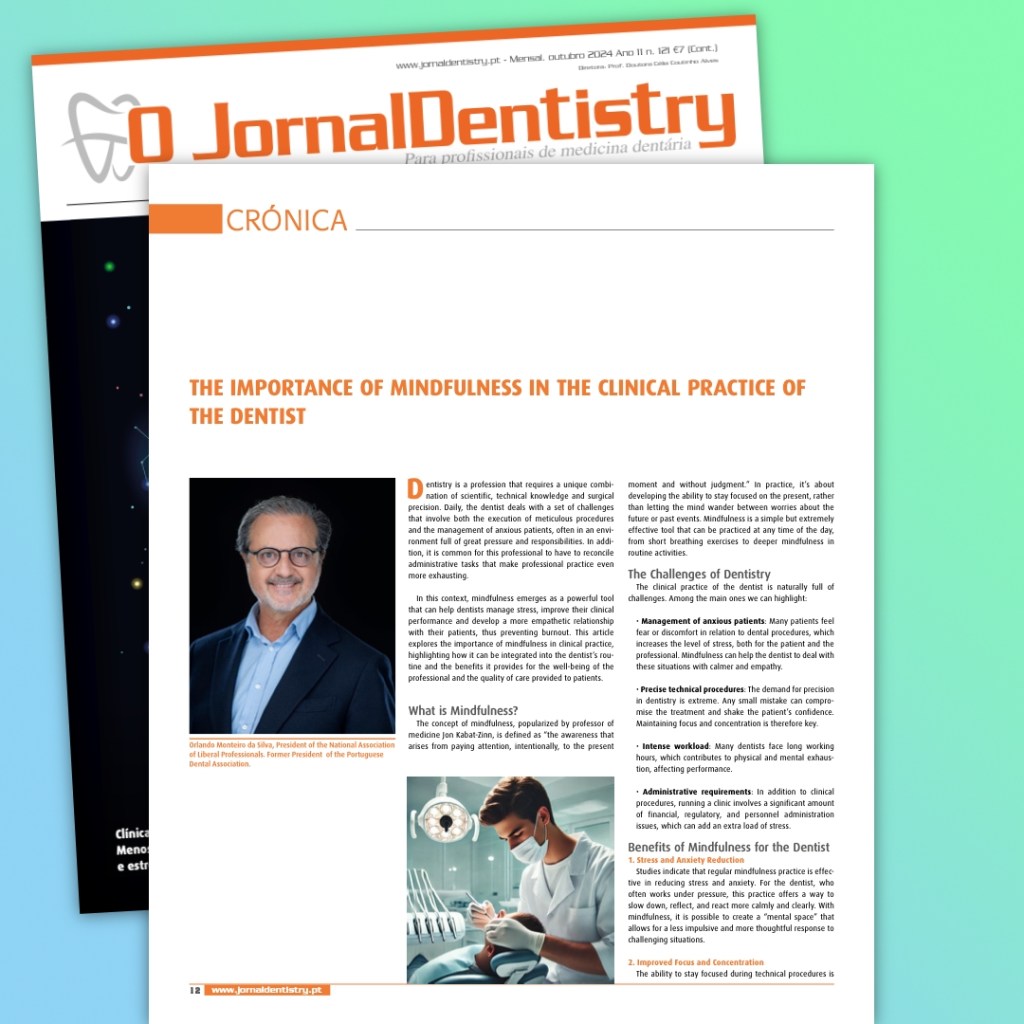
Dentistry is a profession that requires a unique combination of scientific, technical knowledge and surgical precision. Daily, the dentist deals with a set of challenges that involve both the execution of meticulous procedures and the management of anxious patients, often in an environment full of great pressure and responsibilities. In addition, it is common for this professional to have to reconcile administrative tasks that make professional practice even more exhausting.
In this context, mindfulness emerges as a powerful tool that can help dentists manage stress, improve their clinical performance and develop a more empathetic relationship with their patients, thus preventing burnout. This article explores the importance of mindfulness in clinical practice, highlighting how it can be integrated into the dentist’s routine and the benefits it provides for the well-being of the professional and the quality of care provided to patients.
What is Mindfulness?
The concept of mindfulness, popularized by professor of medicine Jon Kabat-Zinn, is defined as “the awareness that arises from paying attention, intentionally, to the present moment and without judgment.” In practice, it’s about developing the ability to stay focused on the present, rather than letting the mind wander between worries about the future or past events. Mindfulness is a simple but extremely effective tool that can be practiced at any time of the day, from short breathing exercises to deeper mindfulness in routine activities.
The Challenges of Dentistry
The clinical practice of the dentist is naturally full of challenges. Among the main ones we can highlight:
Management of anxious patients: Many patients feel fear or discomfort in relation to dental procedures, which increases the level of stress, both for the patient and the professional. Mindfulness can help the dentist to deal with these situations with calmer and empathy.
Precise technical procedures: The demand for precision in dentistry is extreme. Any small mistake can compromise the treatment and shake the patient’s confidence. Maintaining focus and concentration is therefore key.
Intense workload: Many dentists face long working hours, which contributes to physical and mental exhaustion, affecting performance.
Administrative requirements: In addition to clinical procedures, running a clinic involves a significant amount of financial, regulatory, and personnel administration issues, which can add an extra load of stress.
Benefits of Mindfulness for the Dentist
Stress and Anxiety Reduction
Studies indicate that regular mindfulness practice is effective in reducing stress and anxiety. For the dentist, who often works under pressure, this practice offers a way to slow down, reflect, and react more calmly and clearly. With mindfulness, it is possible to create a “mental space” that allows for a less impulsive and more thoughtful response to challenging situations.
Improved Focus and Concentration
The ability to stay focused during technical procedures is essential in dentistry. Mindfulness has been linked to strengthening the prefrontal cortex, the area of the brain responsible for attention and concentration. Dentists who practice mindfulness tend to develop a greater ability to stay focused for prolonged periods, which translates into fewer clinical serrors and better treatment outcomes.
Emotional Regulation
In addition to helping with stress management, mindfulness also contributes to more effective emotional regulation.
In situations of tension with patients or when procedures do not go as expected, the dentist who practices mindfulness is better able to pause before reacting, resulting in more controlled and empathetic responses.
Development of Empathy
Mindfulness promotes active listening and empathy, essential soft skills for the relationship between the dentist and the patient. Being “present” during consultations allows the professional to better understand the concerns and anxieties of their patients, creating a relationship of trust that facilitates treatment.
Mindfulness in Clinical Practice
Improved Patient Care
Mindfulness not only improves the well-being of the dentist, but also positively affects the patient experience. A calmer, more focused, and empathetic dentist conveys security to his patients, especially the most anxious, promoting a more collaborative service and a more positive experience.
Reduction of Errors in Procedures
Complex clinical procedures require maximum concentration. Mindfulness helps the dentist to stay focused throughout the procedure, reducing the risk of errors and improving results.
Improvement in Time Management
The practice of mindfulness can also help in efficient time management, a crucial skill in the dental clinic. By prioritizing what really matters and avoiding unnecessary distractions — such as excessive use of technology or multitasking — the dentist can better organize his activities, optimizing time for procedures and administrative tasks.
Mindfulness in Clinic Management
In addition to benefiting clinical practice, mindfulness is also useful in the management of the dental clinic. The decision-making process, often carried out under pressure, becomes clearer and more thoughtful with the practice of mindfulness. The creation of a mental space allows the dentist to analyse situations calmly, leading to more strategic and well-founded decisions, from personnel management to financial issues.
Mindfulness = Burnout Prevention
Burnout is a common problem among healthcare professionals, and dentists are no exception. The combination of long working hours with clinical and administrative responsibilities can lead to physical and emotional burnout. Regular mindfulness practice helps prevent burnout by promoting emotional self-regulation and the ability to cope with stress in a healthy way.
How to Incorporate Mindfulness into the Dentist’s Routine
Incorporating mindfulness into everyday life doesn’t require major changes. Simple techniques can be practiced throughout the day, providing considerable benefits:
Mindful breathing: Taking a few minutes before a procedure or during breaks to focus on breathing can help reduce stress and increase focus.
Conscious transitions: Use moments of transition, such as walks between rooms, or breaks to refocus the mind and be more present at the next task.
Limit technology use: Establishing specific times to check email and turn off notifications during procedures can reduce distractions and help stay focused.
Conclusion
Mindfulness offers the dentist a valuable set of tools to deal with the daily challenges of their profession. In addition to promoting emotional well-being and improving focus, mindfulness contributes to more efficient clinical practice, increasing the quality of care offered to patients and preventing burnout.
Incorporating mindfulness into the dentist’s daily routine is an investment in mental health and excellence in clinical practice, resulting in a more balanced and satisfying professional activity.
You can read the full article, in Portuguese or English, in the Portuguese monthly edition of Dentistry magazine:
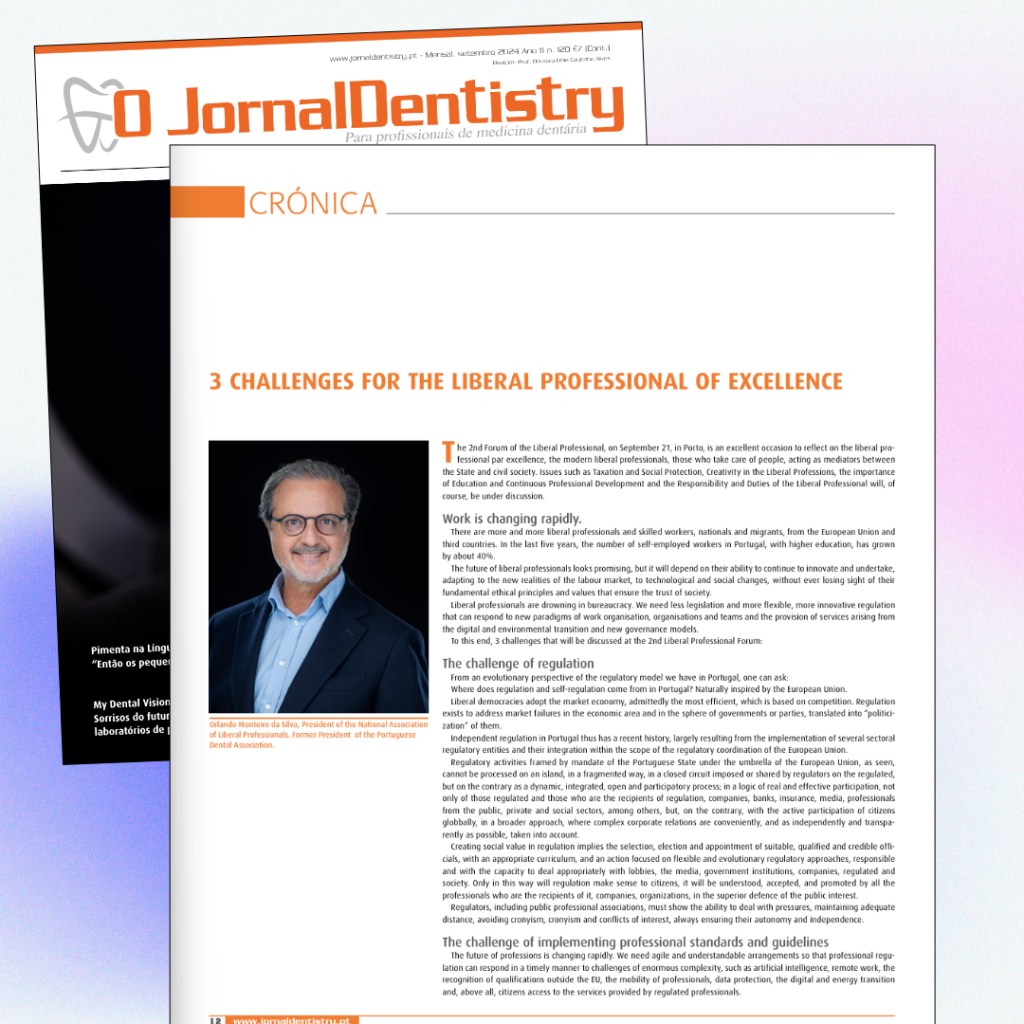
The 2nd Forum of the Liberal Professional, on September 21, in Porto, is an excellent occasion to reflect on the liberal professional par excellence, the modern liberal professionals, those who take care of people, acting as mediators between the State and civil society. Issues such as Taxation and Social Protection, Creativity in the Liberal Professions, the importance of Education and Continuous Professional Development and the Responsibility and Duties of the Liberal Professional will, of course, be under discussion.
Work is changing rapidly
There are more and more liberal professionals and skilled workers, nationals and migrants, from the European Union and third countries. In the last five years, the number of self-employed workers in Portugal, with higher education, has grown by about 40%.
The future of liberal professionals looks promising, but it will depend on their ability to continue to innovate and undertake, adapting to the new realities of the labour market, to technological and social changes, without ever losing sight of their fundamental ethical principles and values that ensure the trust of society.
Liberal professionals are drowning in bureaucracy. We need less legislation and more flexible, more innovative regulation that can respond to new paradigms of work organisation, organisations and teams and the provision of services arising from the digital and environmental transition and new governance models.
To this end, 3 challenges that will be discussed at the 2nd Liberal Professional Forum:
The challenge of regulation
From an evolutionary perspective of the regulatory model we have in Portugal, one can ask: Where does regulation and self-regulation come from in Portugal? Naturally inspired by the European Union.
Liberal democracies adopt the market economy, admittedly the most efficient, which is based on competition. Regulation exists to address market failures in the economic area and in the sphere of governments or parties, translated into “politicization” of them.
Independent regulation in Portugal thus has a recent history, largely resulting from the implementation of several sectoral regulatory entities and their integration within the scope of the regulatory coordination of the European Union.
Regulatory activities framed by mandate of the Portuguese State under the umbrella of the European Union, as seen, cannot be processed on an island, in a fragmented way, in a closed circuit imposed or shared by regulators on the regulated, but on the contrary as a dynamic, integrated, open and participatory process; in a logic of real and effective participation, not only of those regulated and those who are the recipients of regulation, companies, banks, insurance, media, professionals from the public, private and social sectors, among others, but, on the contrary, with the active participation of citizens globbally, in a broader approach, where complex corporate relations are conveniently, and as independently and transparently as possible, taken into account.
Creating social value in regulation implies the selection, election and appointment of suitable, qualified and credible officials, with an appropriate curriculum, and an action focused on flexible and evolutionary regulatory approaches, responsible and with the capacity to deal appropriately with lobbies, the media, government institutions, companies, regulated and society.
Only in this way will regulation make sense to citizens, it will be understood, accepted, and promoted by all the professionals who are the recipients of it, companies, organizations, in the superior defence of the public interest. Regulators, including public professional associations, must show the ability to deal with pressures, maintaining adequate distance, avoiding cronyism, cronyism and conflicts of interest, always ensuring their autonomy and independence.
The challenge of implementing professional standards and guidelines
The future of professions is changing rapidly. We need agile and understandable arrangements so that professional regulation can respond in a timely manner to challenges of enormous complexity, such as artificial intelligence, remote work, the recognition of qualifications outside the EU, the mobility of professionals, data protection, the digital and energy transition and, above all, citizens access to the services provided by regulated professionals.
One of the regulatory instruments that professional associations and associations have at their disposal, most valued by society and by the various operators, consumers and customers in general, is the issuance of standards of good practice and quality parameters in the provision of services.
In this sense, the impact of regulatory activities should, in this concept, be oriented towards identifiable, measurable and tangible results by citizens, based on the performance of the recipients of regulation, through standards and guidelines selected by prior collection of information, promoting good practices and quality, leading to changes in behaviour and processes of all recipients of regulation and society in general.
It is also crucial, from a perspective of valuing regulation for the benefit of society, that the updating and continuous training paths are completed by professionals and made available for consultation by citizens.
I would continue with the 3rd and last challenge of the Liberal Professional of Excellence: that of Ethics and Deontology, that of meeting the demands of society in terms of the treatment of complaints of malpractice and that of conflict between professionals.
In teams of professionals, error and malpractice are often the result of an entire process, and less of an isolated professional. Quite apart from individual responsibility, which must naturally be punished, here too, inter-professional structures in the field of ethics and ethics would respond with better quality to the recipients of the services who legitimately address the professional regulators with their complaints.
The ethics of the professions must, in an analogous way, be complied with through codes of good practice in the companies and public and private organizations where the professionals are inserted, publicly identifying the organizations where compliance with the precepts of professional ethics is effective.
Summarizing
The fundamental result is that the regulatory and legislative activities of the various operators, framed by the mandate of the Portuguese State under the umbrella of the European Union, are not processed on an island, in a closed circuit imposed or shared by regulators on the regulated (professionals, companies, organizations, recipients of services, consumers), but, on the contrary, as a dynamic, integrated process, open, in a logic of active participation of citizens in the global, in a broad approach, where complex societal relations are conveniently, and as independently and transparently as possible, taken into account.
In short, a regulation that creates value for society.
We cannot continue to blindly apply competition law tout court to the liberal professions; this interpretation of competition laws has had disastrous effects in Portugal and in several countries of the European Union in affecting the role of small practices, offices and local offices.
They have largely disappeared with serious social consequences: accessibility has decreased, liberal professionals lose income, they became proletarianized.
You can read the full article, in Portuguese or English, in the Portuguese monthly edition of Dentistry magazine:
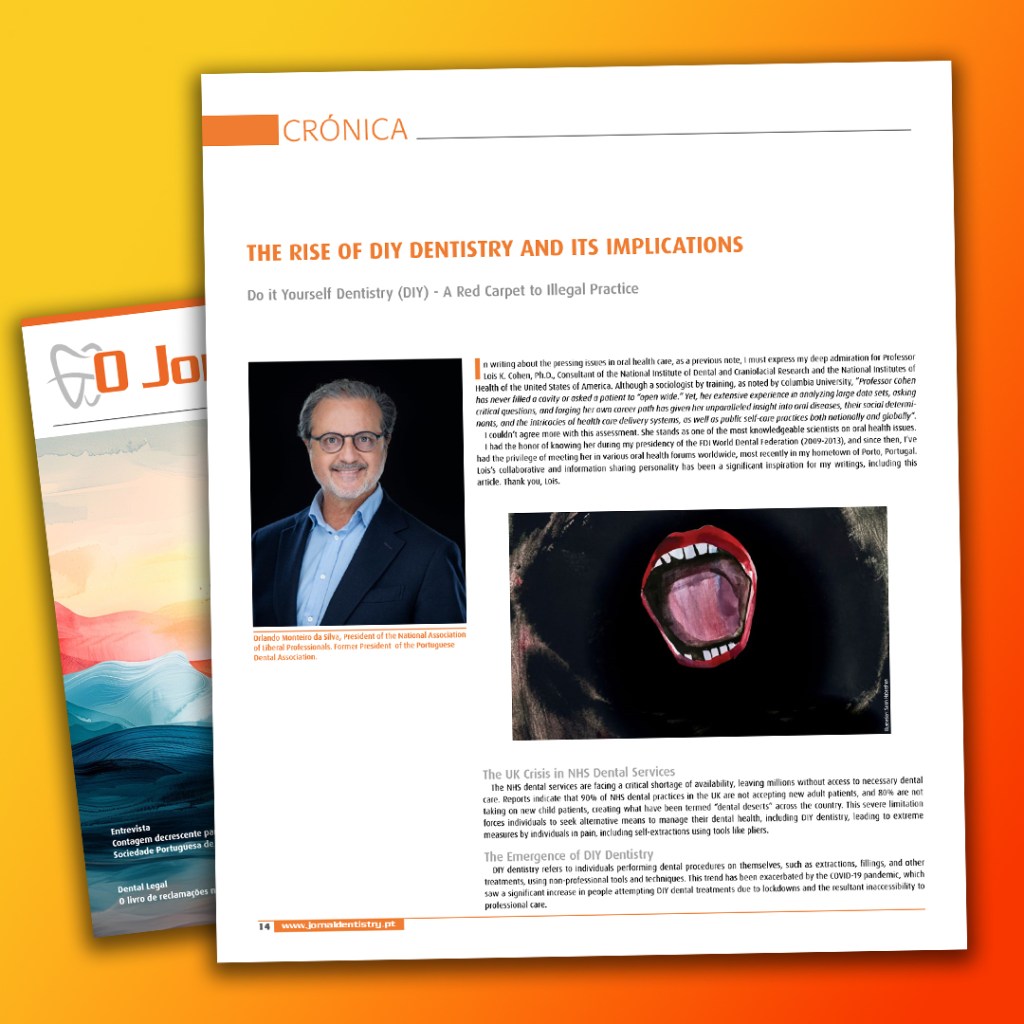
Do it Yourself Dentistry (DIY) – A Red Carpet to Illegal Practice
In writing about the pressing issues in oral health care, as a previous note, I must express my deep admiration for Professor Lois K. Cohen, Ph.D., Consultant of the National Institute of Dental and Craniofacial Research and the National Institutes of Health of the United States of America.
Although a sociologist by training, as noted by Columbia University, “Professor Cohen has never filled a cavity or asked a patient to “open wide.” Yet, her extensive experience in analyzing large data sets, asking critical questions, and forging her own career path has given her unparalleled insight into oral diseases, their social determinants, and the intricacies of health care delivery systems, as well as public self-care practices both nationally and globally”.
I couldn’t agree more with this assessment. She stands as one of the most knowledgeable scientists on oral health issues.
I had the honor of knowing her during my presidency of the FDI World Dental Federation (2009-2013), and since then, I’ve had the privilege of meeting her in various oral health forums worldwide, most recently in my hometown of Porto, Portugal. Lois’s collaborative and information sharing personality has been a significant inspiration for my writings, including this article. Thank you, Lois.
The UK Crisis in NHS Dental Services
The NHS dental services are facing a critical shortage of availability, leaving millions without access to necessary dental care. Reports indicate that 90% of NHS dental practices in the UK are not accepting new adult patients, and 80% are not taking on new child patients, creating what have been termed “dental deserts” across the country.
This severe limitation forces individuals to seek alternative means to manage their dental health, including DIY dentistry, leading to extreme measures by individuals in pain, including self-extractions using tools like pliers.
The Emergence of DIY Dentistry
DIY dentistry refers to individuals performing dental procedures on themselves, such as extractions, fillings, and other treatments, using non-professional tools and techniques. This trend has been exacerbated by the COVID-19 pandemic, which saw a significant increase in people attempting DIY dental treatments due to lockdowns and the resultant inaccessibility to professional care.
Dangers of DIY Dentistry
The practice of DIY dentistry poses numerous health risks, including infection, improper treatment, and exacerbation of existing dental issues. Without proper training and sterilization techniques, individuals are at high risk of severe complications. Additionally, DIY methods often fail to address underlying problems, leading to prolonged pain and suffering.
International Comparisons
While the UK faces a particularly acute crisis, other countries also experience similar issues. For example, in the United States, the lack of affordable dental care leads many to resort to DIY methods. This global trend underscores the need for systemic reforms in dental healthcare accessibility.
Reflecting on my home country, Portugal, I am reminded of the challenges we faced in the late 80s, 90s, and first decade this century to combat illegal and abusive practices by unqualified individuals. I never expected to witness a similar scenario in a developed nation like the UK.
This is not just a UK issue, but a trend seen in regions worldwide where shortages of healthcare personnel are significant challenges. Europe and the US, among others, face similar crises, highlighting that the lack of access to oral health care poses severe safety concerns globally.
Illegal Dental Practices
The rise of DIY dentistry could potentially lead to an increase in illegal dental practices. Unlicensed individuals may start offering dental services to others, posing as professionals. This not only undermines public trust in healthcare systems but also endangers the health of those receiving such treatments.
Addressing the Issue
To mitigate the risks associated with DIY dentistry and prevent illegal practices, several steps need to be taken:
Increase Funding for NHS Dentistry: Adequate funding and reform of the NHS dental contract are crucial to ensure more practices can accept new patients and provide necessary care.
Improve Access and Affordability: Policies aimed at reducing the cost of dental care and increasing the number of practicing dentists can help alleviate the current crisis.
Public Awareness Campaigns: Educating the public about the dangers of DIY dentistry and promoting preventive care can help reduce the need for emergency interventions.
Regulation and Enforcement: Strengthening regulations and enforcement against illegal dental practices will protect public health and ensure that dental care is provided by qualified professionals.
Political Attention: The dental crisis has also been a significant topic in recent UK parliamentary elections. All major parties have expressed concerns and proposed solutions to address the issue. Prime Minister Rishi Sunak and the leader of the opposition, Sir Keir Starmer, have both emphasized the importance of tackling the dental care crisis, with both visiting dental practices to highlight his commitment to finding solutions. This bipartisan acknowledgment underscores the urgency of addressing the deficiencies in the dental care system to prevent further deterioration of public health.
Conclusion
The trend of DIY dentistry is a direct consequence of the inadequacies in current healthcare systems, particularly the NHS in the UK.
Addressing this issue requires com prehensive reforms to increase access to affordable dental care, educate the public on the risks of self-treatment, and prevent the emergence of illegal dental practices. Without these changes, the public health risks associated with DIY dentistry will continue to grow.
We cannot entirely exclude that a similar effect may replicate in other areas of medicine.
You can read the full article, in Portuguese or English, in the Portuguese monthly edition of Dentistry magazine:
You are currently browsing the archives for the English category.
Orlando Monteiro da Silva
Oral Physician, Médico Dentista Health and Regulation Consultant Member of European Economic and Social Committee – Civil Society Organizations (Group III) President of the General Assembly -Portuguese Association of Liberal Professionals Member of the Economic and Social Council of Portugal representing the liberal professions Student PhD Course in Bioethics at the Faculty of Medicine, University of Porto


 Posted by Orlando Monteiro da Silva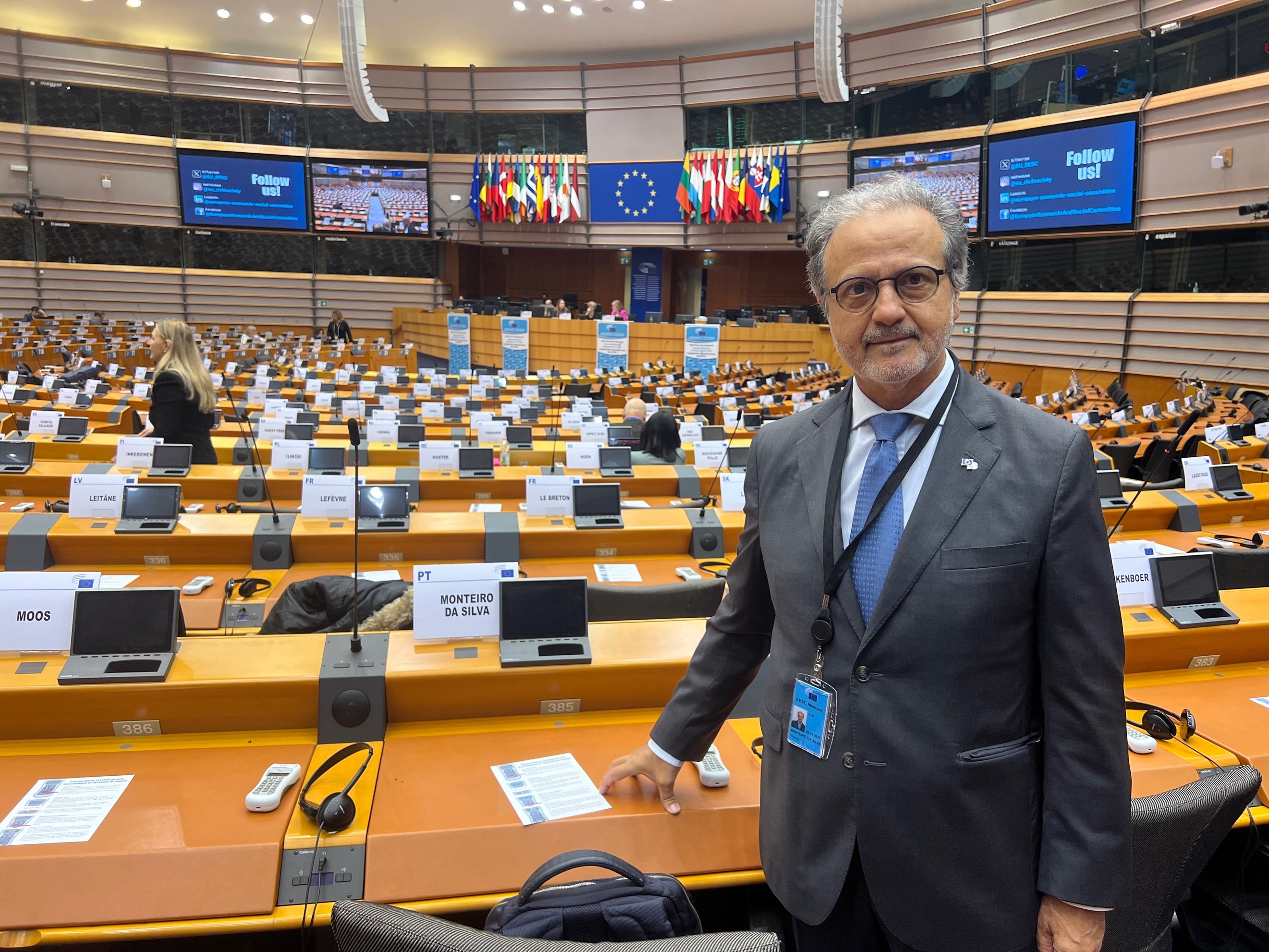



 Orlando Monteiro da Silva